
Adventures Off the Beaten Track: Things to Do in Mauritania
When we told our friends and family that we were going to visit Mauritania most of them thought we were going to Mauritius. When we replied, ‘no, Mauritania’, their response was, ‘where’s that’? And then followed up with, ‘what are you going to do?’ There are plenty of things to do in Mauritania – it has wild, dramatic landscapes, dark skies filled with stars, a fascinating culture and remarkable historic sites to visit. Surprisingly, the cuisine is really good too.
Please note that this post contains affiliate links. If you click through and decide to make a purchase we will make a small commission, at no extra cost to you, which will help towards the costs of running this site. Thank you for your support!
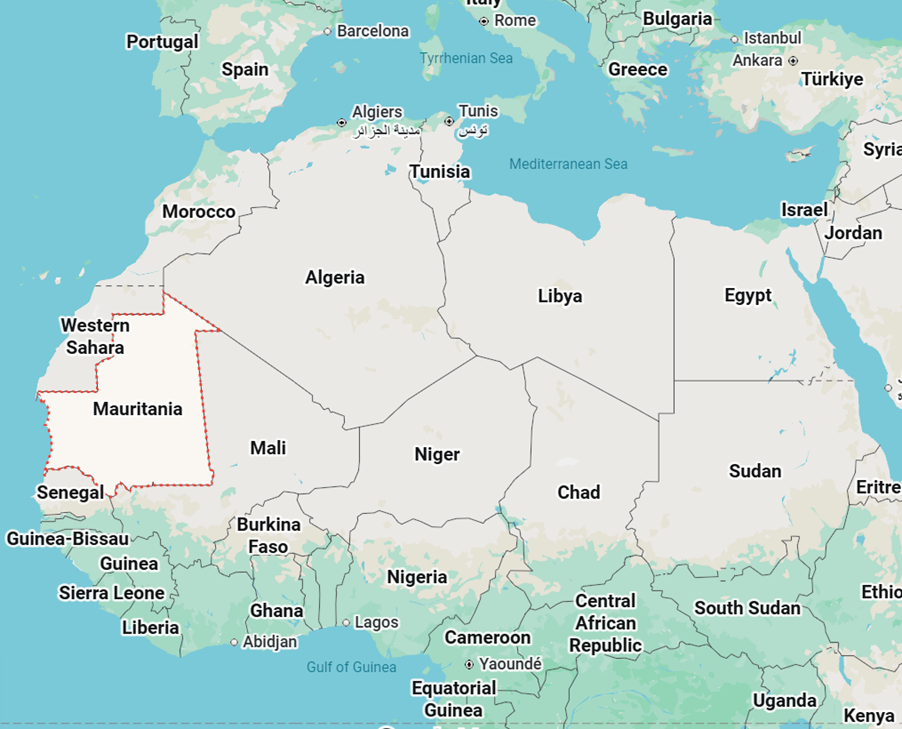
So, Where is Mauritania?
The country is located in north-west Africa and much of the land mass is taken up by the vast Sahara desert.
How To Get to Mauritania
Most people fly in to the country’s capital, Nouakchott, pronounced Nu-ak-shot. Air France will get you there from Paris, and Royal Air Maroc flies in from Morocco.
The entry process is loooooong. You need to apply for an e-visa before arrival. When you reach the immigration area you wait in a queue for an extraordinarily long time before entering a booth, have your fingerprints and photos taken, and then pay for the visa. Visas cost 55 euros or 60 USD – you must have exact cash and you may need to queue up again to pay once you have obtained your visa.
It took us about an hour and a half to enter and that was on a plane that was less than half-full, with only around 20 foreign nationals to process, and our visas had been pre-approved.
Be aware that the authorities don’t like cameras. Your luggage will be scanned as you exit the airport building. Our baggage was opened up when they saw our little bridge camera (definitely not pro-photo gear) and we had to explain that we were on holiday.
It’s also worth noting that the exit process is irritatingly slow as well. Even when you have had your baggage and hand luggage x-rayed several times, an enormous queue forms at the gate as your hand luggage will be looked through manually. Liquids over 100ml will be chucked. Even if you buy a bottle of water at the shop air-side it will get confiscated. Argh!
How To Get Around Mauritania
We were short on time so used an excellent local tour company who took us on a road trip around northern Mauritania. Travelling can be slow but it is also exciting as you drive through magnificent and dramatic landscapes. It can also get pretty bumpy off-road, so be prepared, although driving up and down sand dunes is thrilling!
It is possible to travel around the country independently using public transport but journeys can be very slow and could involve a lot of waiting in addition to the long distances covered. Bear in mind that some locations are extremely remote and may not have a phone signal. Also, some of the places we mention here are difficult to reach using public transport.
Car hire is possible too, but the driving is challenging and, again, some areas are very remote. If you get stuck in a sand dune, you’ll need enough experience to dig yourself out! If you are in the middle of the desert you are unlikely to get a phone signal, so make sure you are able to navigate. It may be useful to combine transport modes – use a bus to reach the main cities then hire a car (and we’d recommend hiring a driver too) to reach the more isolated attractions.
Things to Do in Mauritania
Sweeping Sahara Sands and Giant Dunes
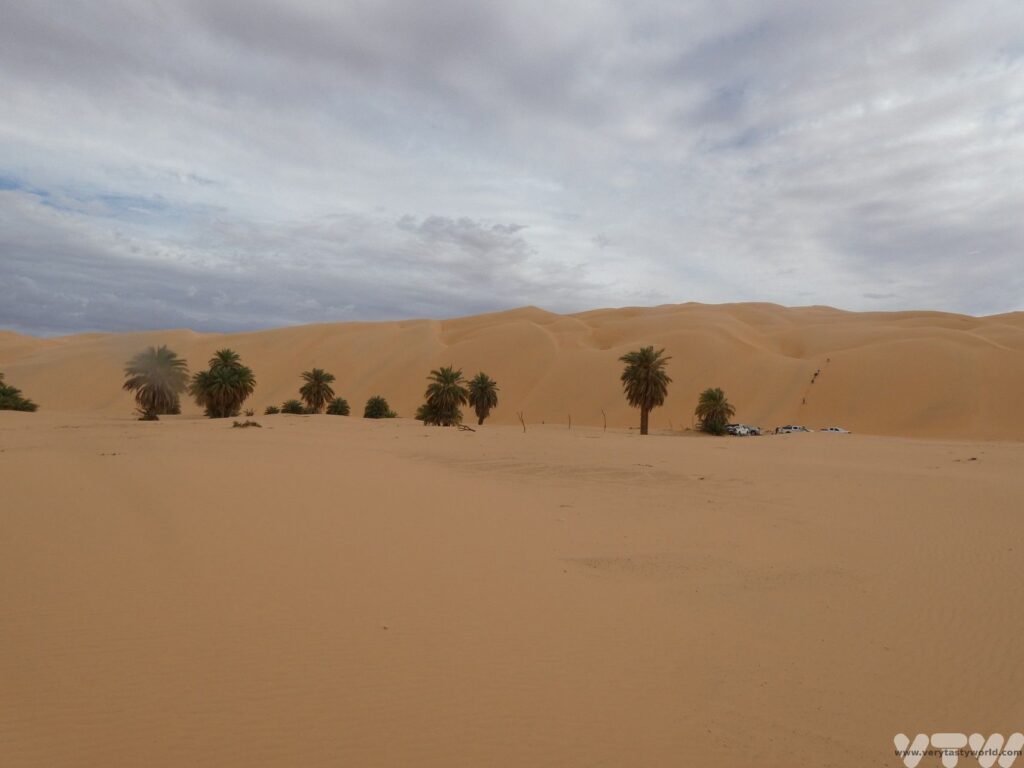
Mauritania is a desert county, and the insistent sands of the Sahara invade every part of the land. The desert landscape is surprisingly varied. You may imagine stark sweeping sand dunes, and there are plenty of those, but there are also rocky landscapes and lush oases.
One of the primary attractions are the Big Dunes of Azouega, which rise dramatically out of the desert – they can be up to 200m high! You can climb them and there are camps nearby where you watch the sunset – and indeed the sunrise – the following morning.
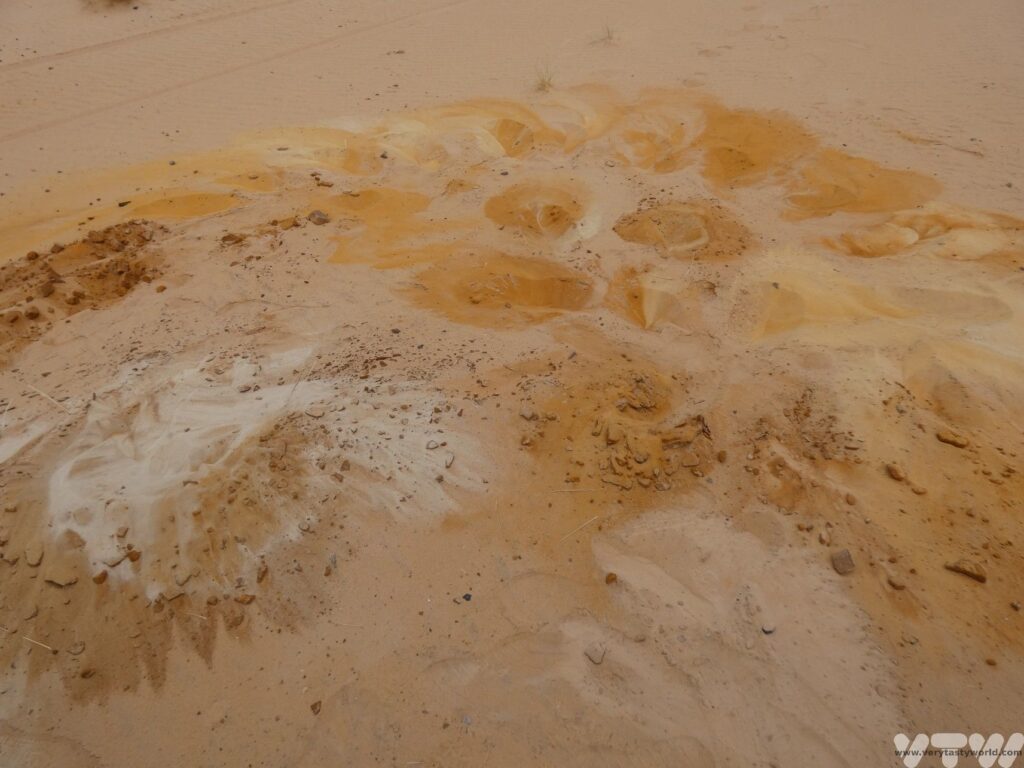
Nearby there is a location which shows the contrasts in colour of the sand. At first glance it all looks orange, but with just a little digging the variation in hues becomes clear.
The Allure of Ancient Cities
Mauritania has ancient cities to explore, four of which are UNESCO listed: Ouadane, Chinguetti, Tichitt, and Oualata. They are known as ksour – fortified cities – and they were important locations along the Saraha trade routes.
In the north, Oudane was an ancient city on caravan route. Now abandoned, it was a seat of learning, dating from the 11th century. It is a remarkable place to visit – the fortification is impressive. The deep well, necessary to supply water for the city, could support Ouadane for six months, and was fully protected by three levels of housing security. The residences of the city’s founders can still be seen even today.

Oudane’s mosque is beautifully preserved. There were two places for worship – an outdoor hall for the summer and a series of arches located near the minaret during winter.
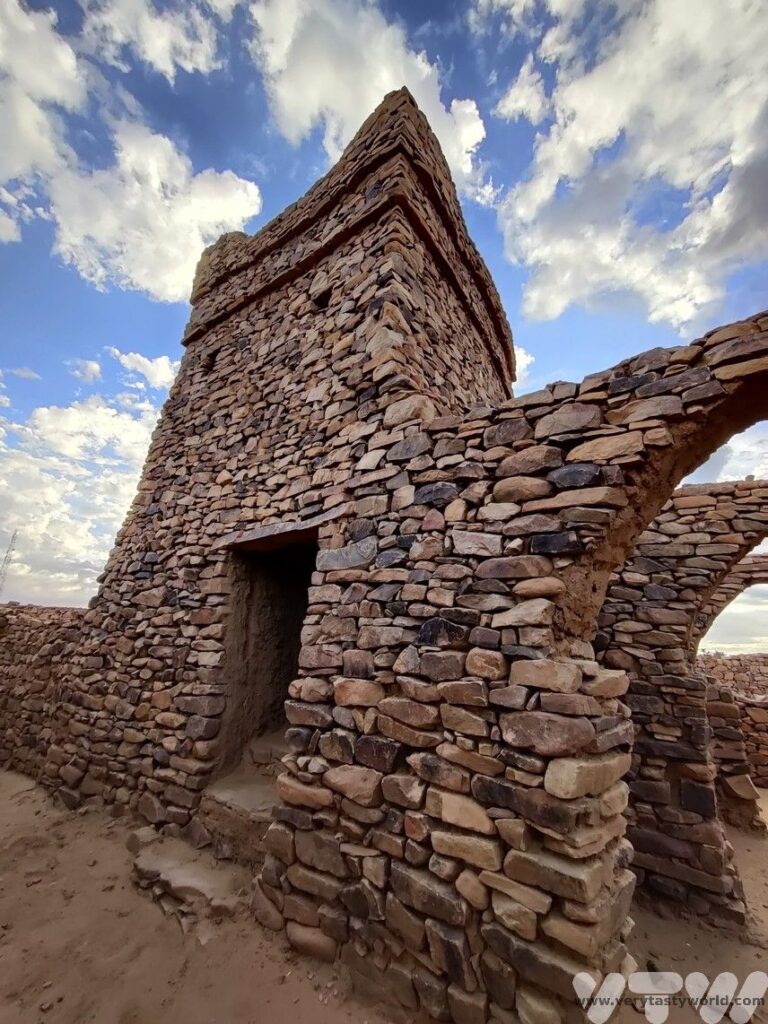
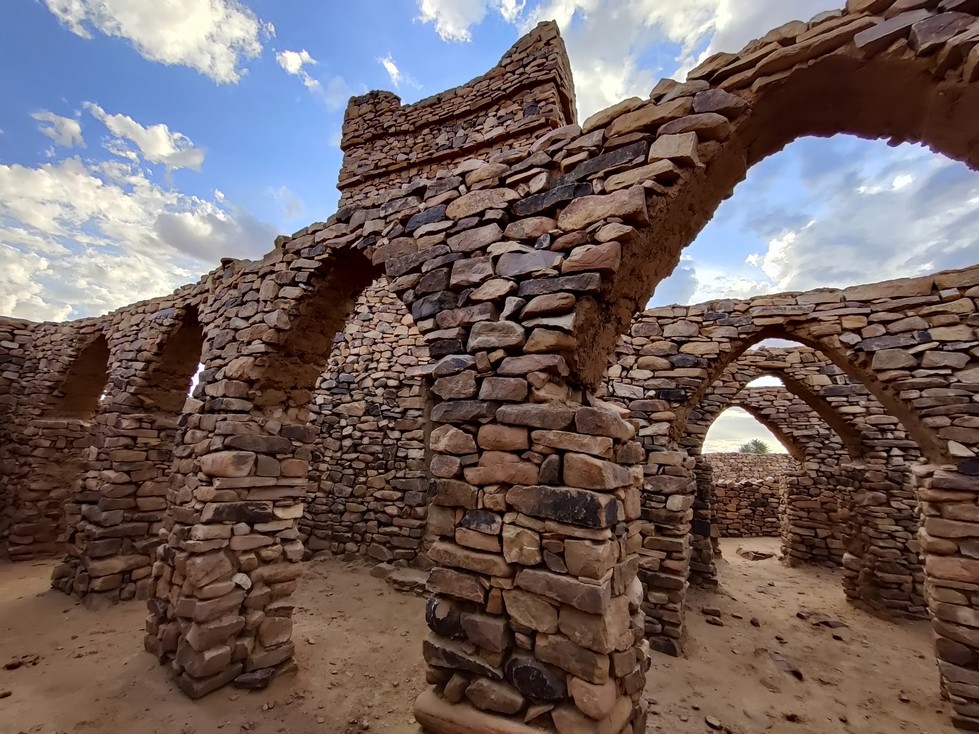
Chinguetti was an ancient town on trans-Saharan caravan route. The buildings date back to 13th century. They were constructed using stone, filled with a red clay mixed with plant material and goat poo. Two types of caravan passed through the city – one for trading goods and the other for Muslims travelling for the Haj, a six month journey each way.
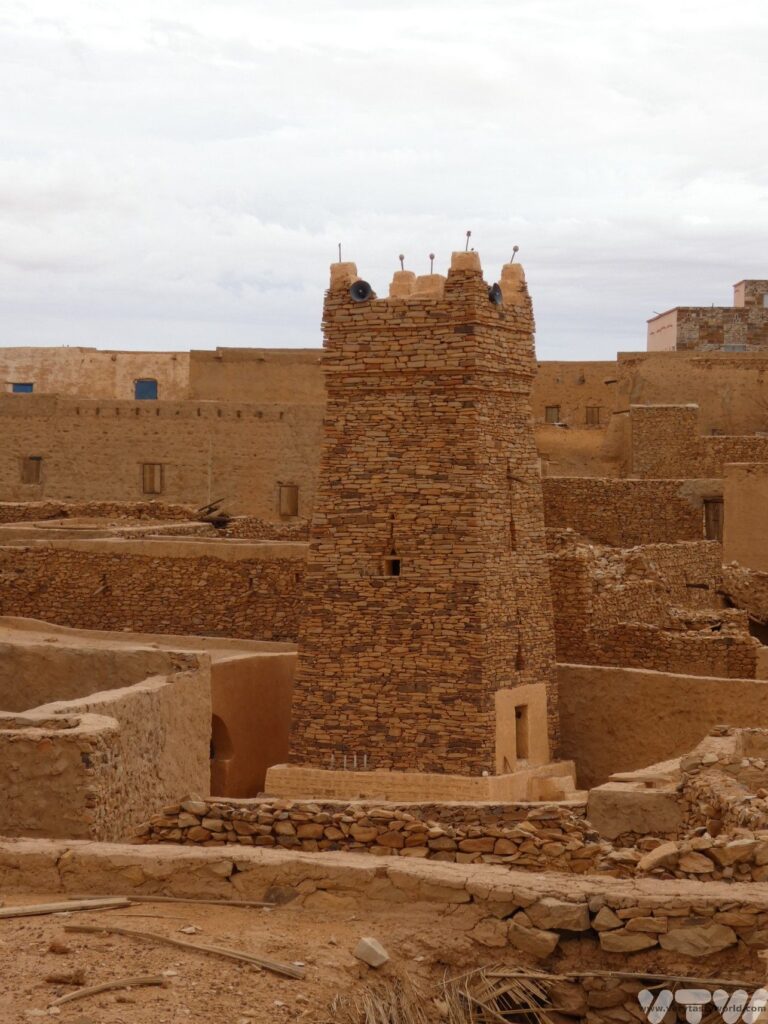
The windows in these buildings are small in order to keep the sand out. Chinguetti has a compact but fascinating museum and library. A lovely gentleman called Saif introduced us to many of the objects in the museum and told us about their history. These include ancient manuscripts of religious teachings and poetry.
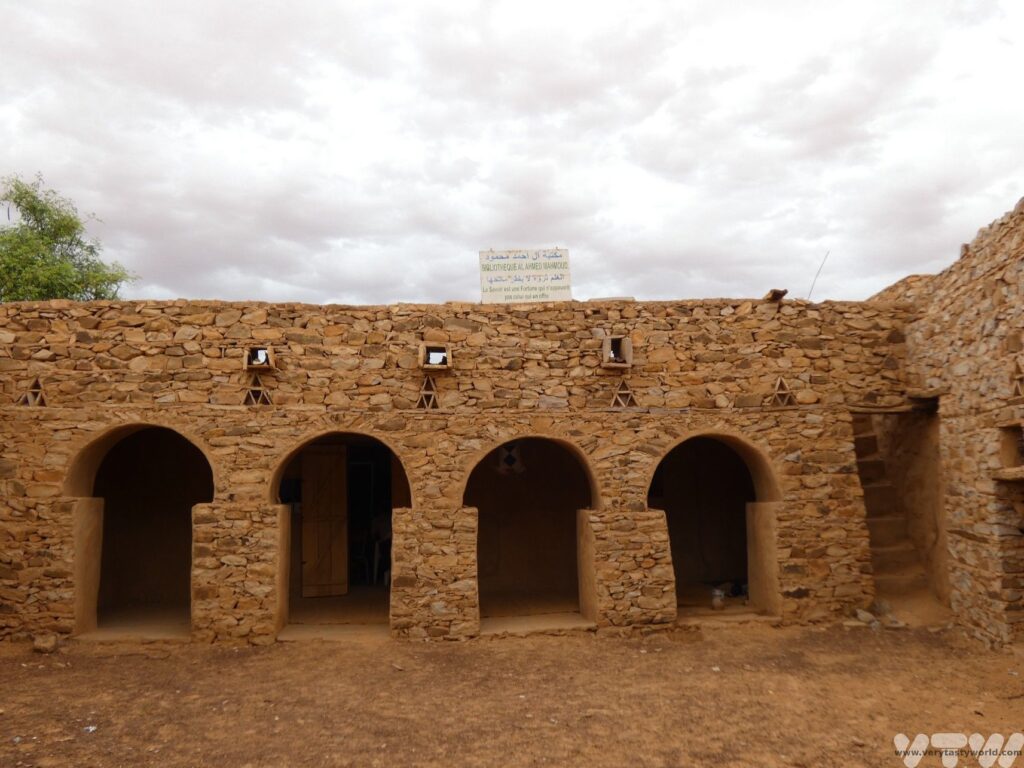
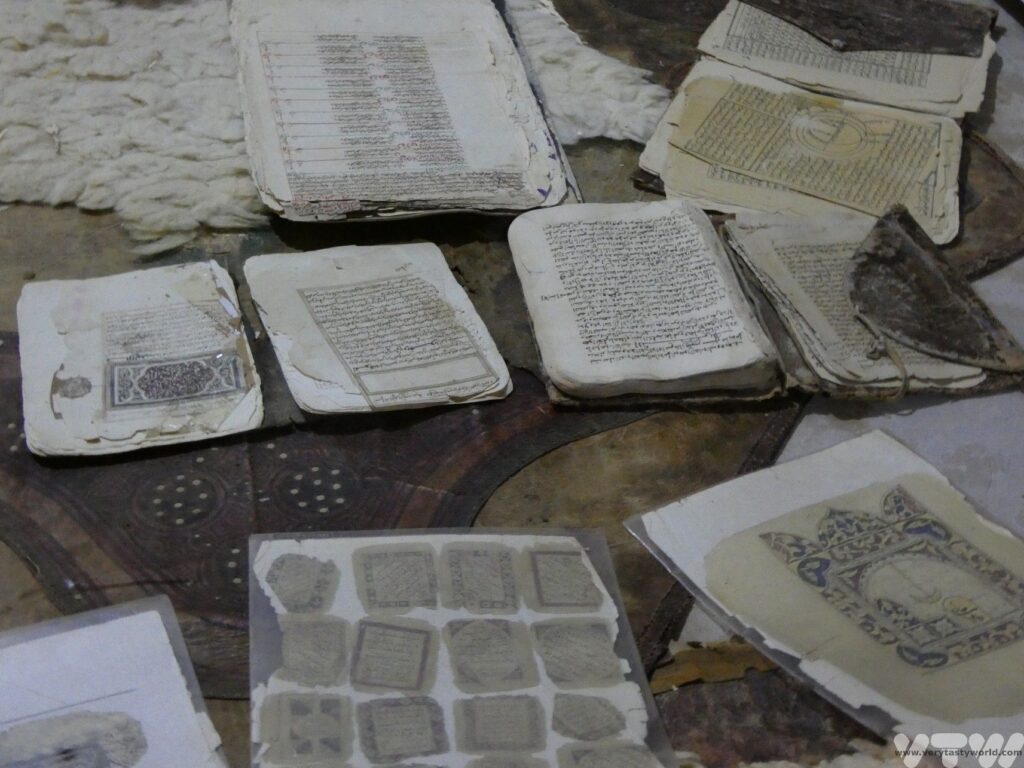
Chinguetti used to be a much larger region. We visited the outskirts and stood atop a town that was 30km by 30km in scale but had now been swallowed by the relentless sand, buried and completely lost to the world except for the mosque. The photo below was taken whilst standing on top of the city.
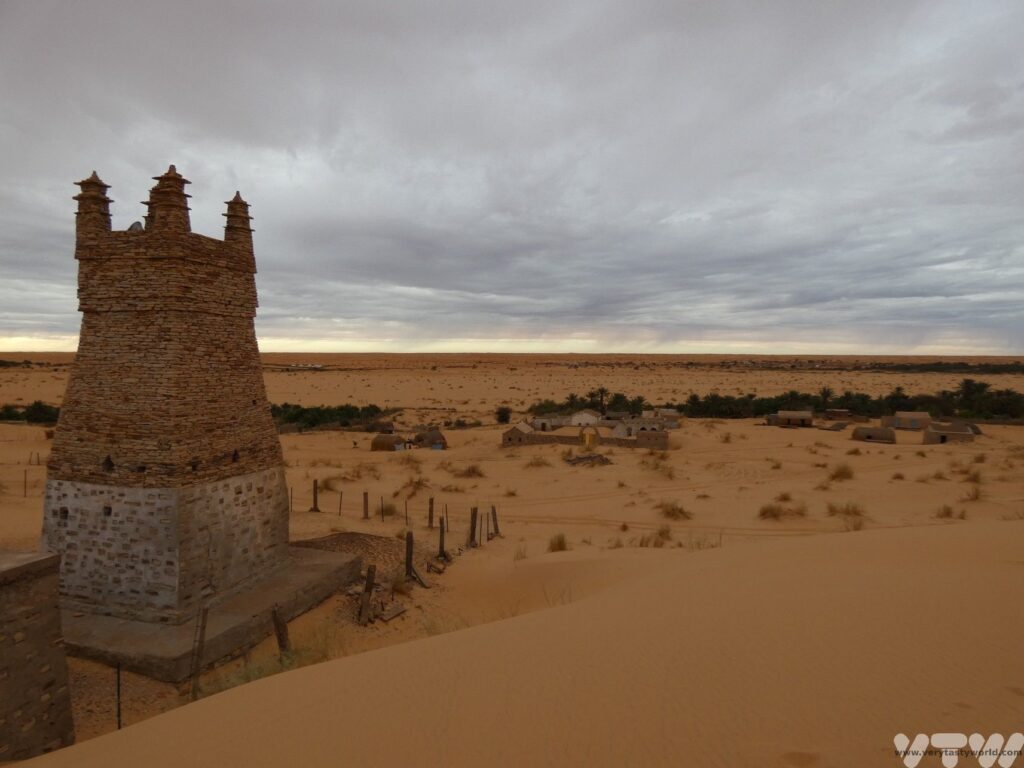
Various schemes have tried to prevent the desert taking over the city. Most have failed. Some initiatives, often with foreign support, are trying to plant trees and bushes in the area to protect from the sand but it’s only slowing it down.
Further south, the town of Tichitt was founded in the 12th century. Agriculture here was connected with cultivation of dates, a staple food in the region.
Oualata was an oasis town and the southernmost point of the trans-Saharan trade route.
Rock ‘n’ Roll – Petroglyphs and Monoliths
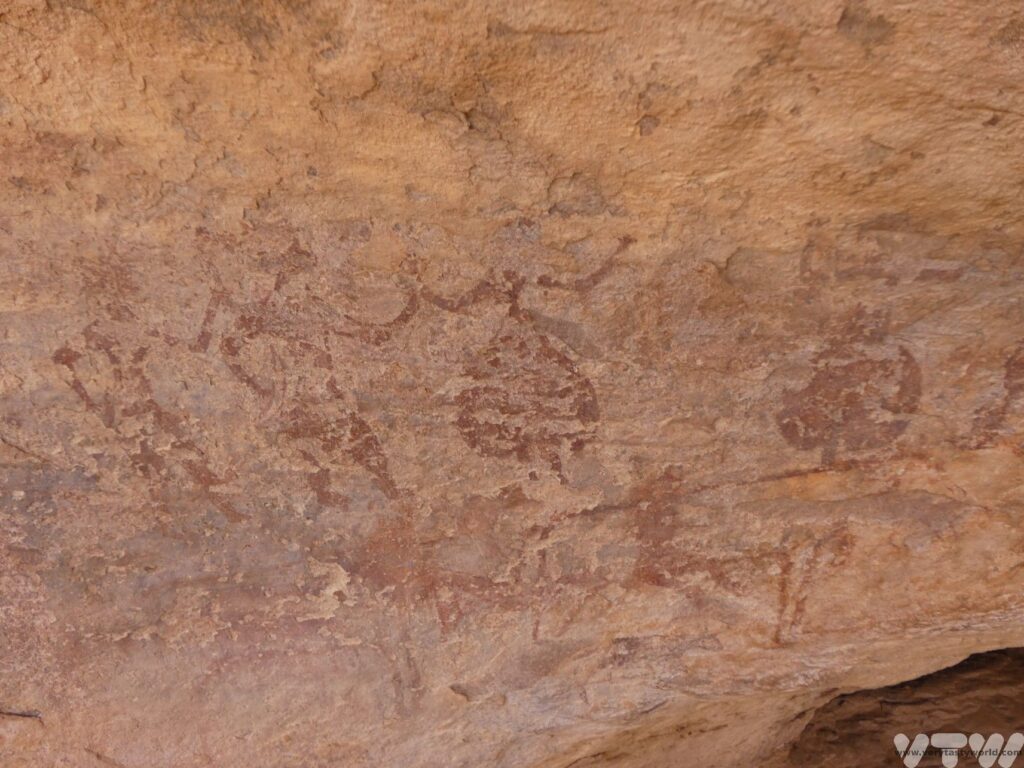
On the Adrar Plateau lies the Agrour Amogjar, a peak near the Amogjar Pass. In this region it is possible to see some ancient petroglyphs which are around 5000 years old. At that time, the area had a climate that was similar to sub-Saharan Africa today. Hence you can see pictures of giraffe and elephant. People were practising agriculture at the time so there are numerous pictures of cows, including mother and calf.
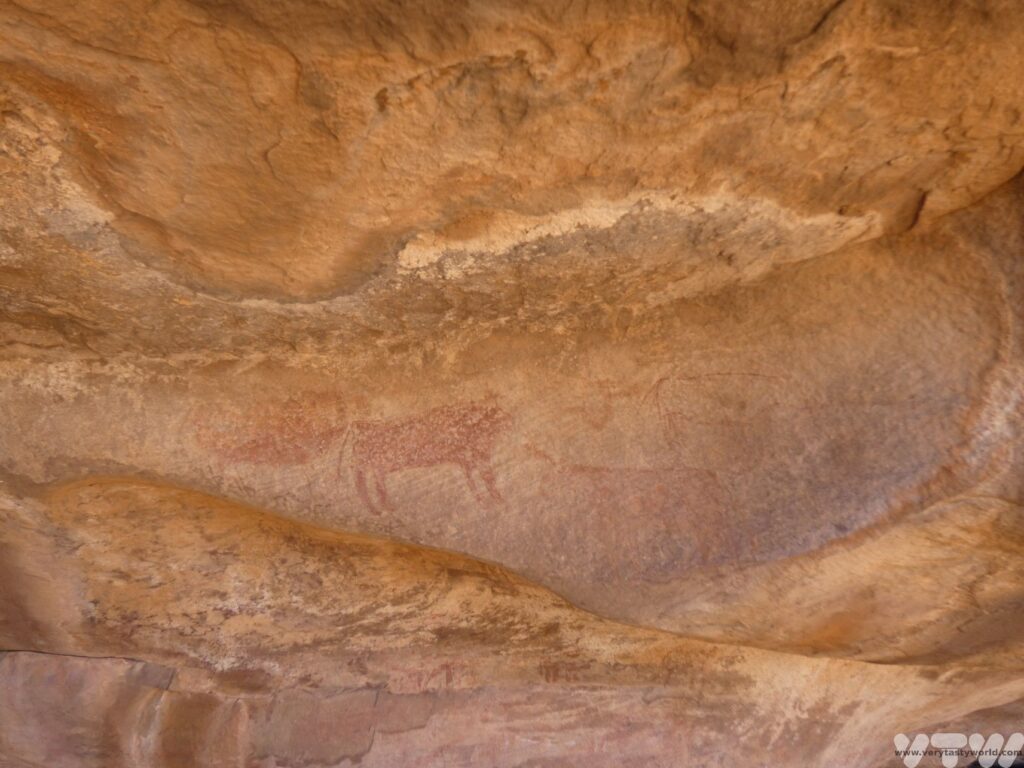
There are some charming images of people dancing with their hands held aloft.
Further up the hillside you can see a sun with four circles – each circle represents a season. Mauritania only has three seasons these days.
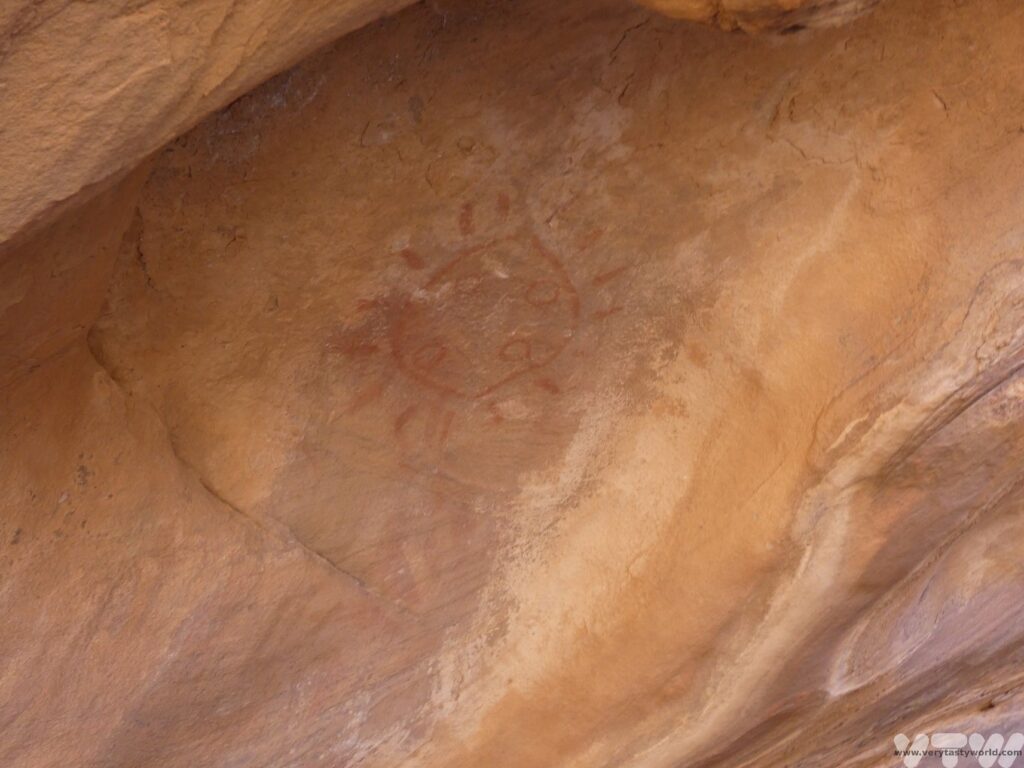
The petroglyphs are remarkably well preserved, protected from the rain by the overhanging rock formations.
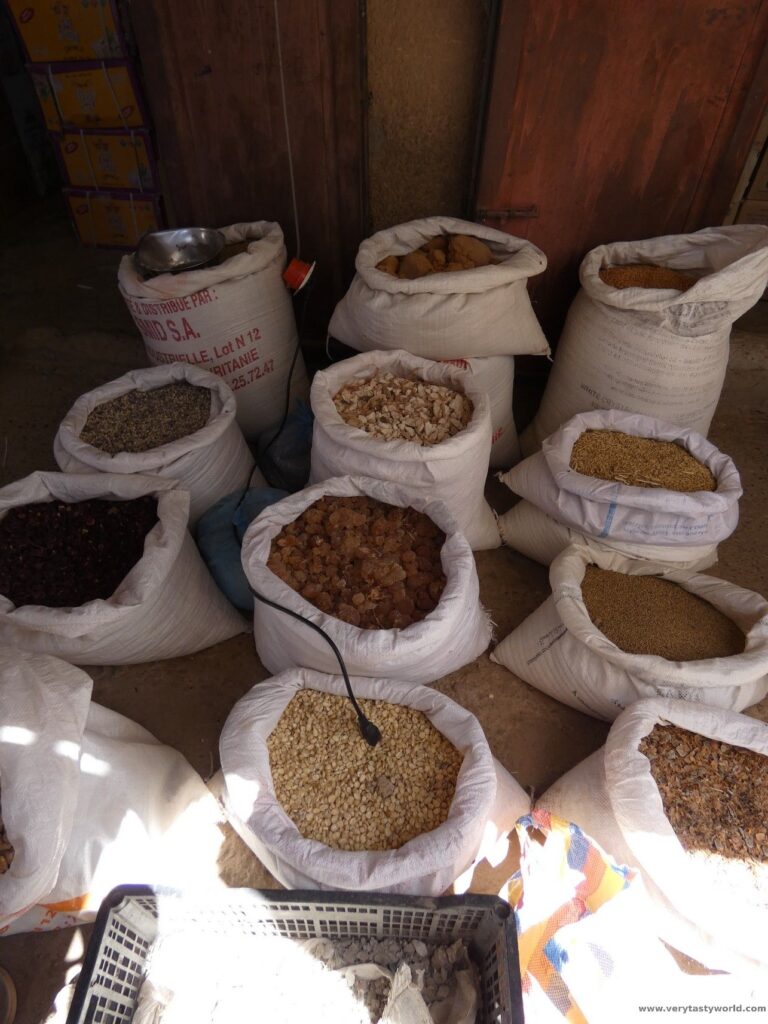
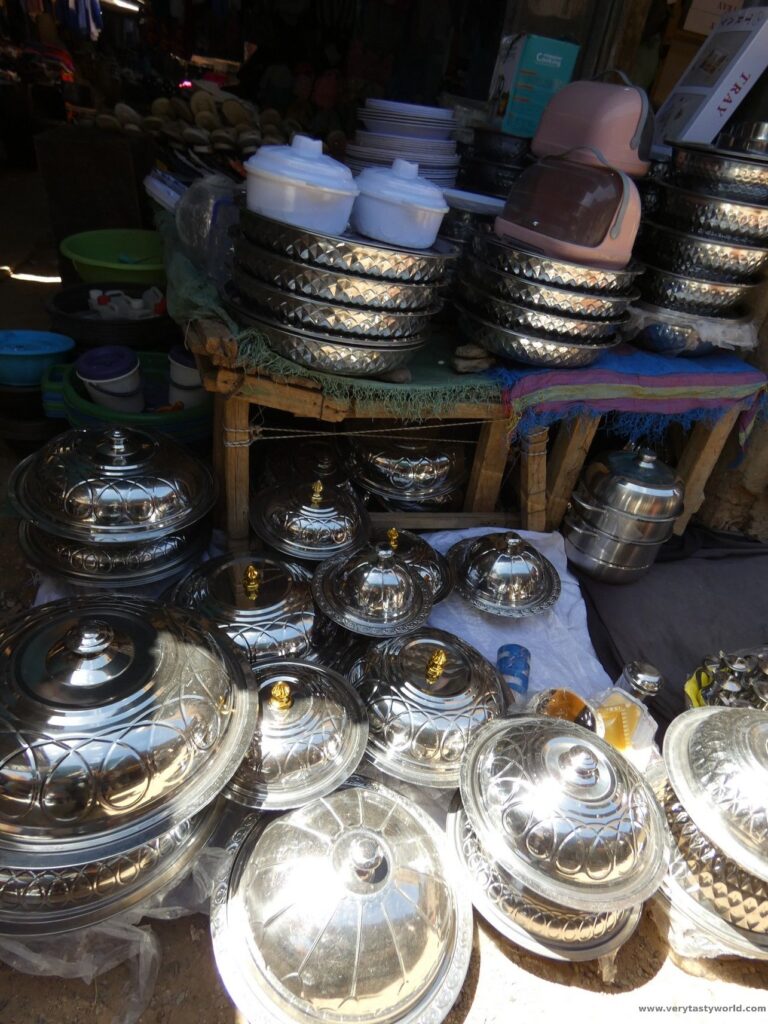
We then drove through the town of Atar, where we visited the market and tasted the national dish at a local specialty restaurant.
Ben Amera
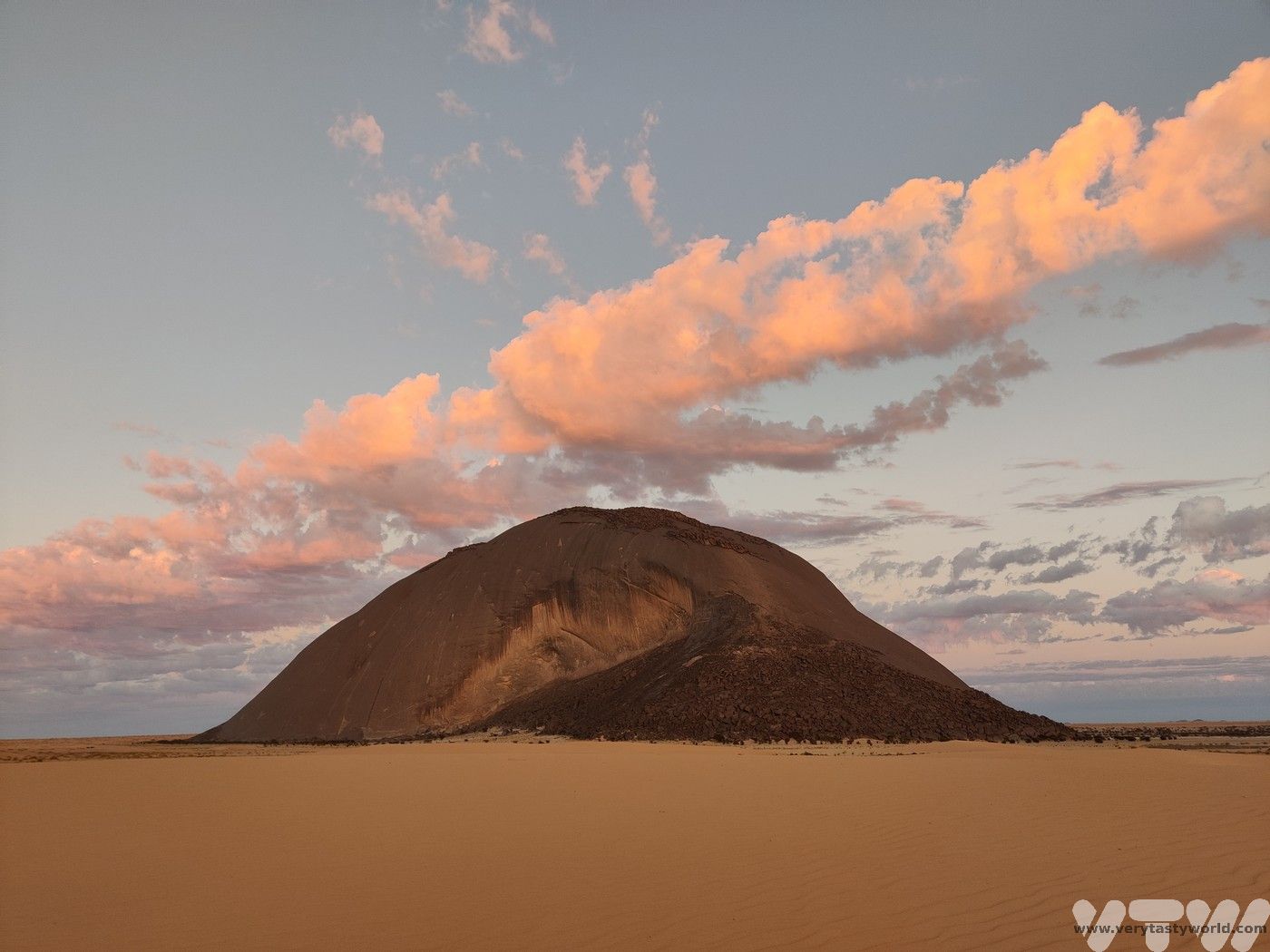
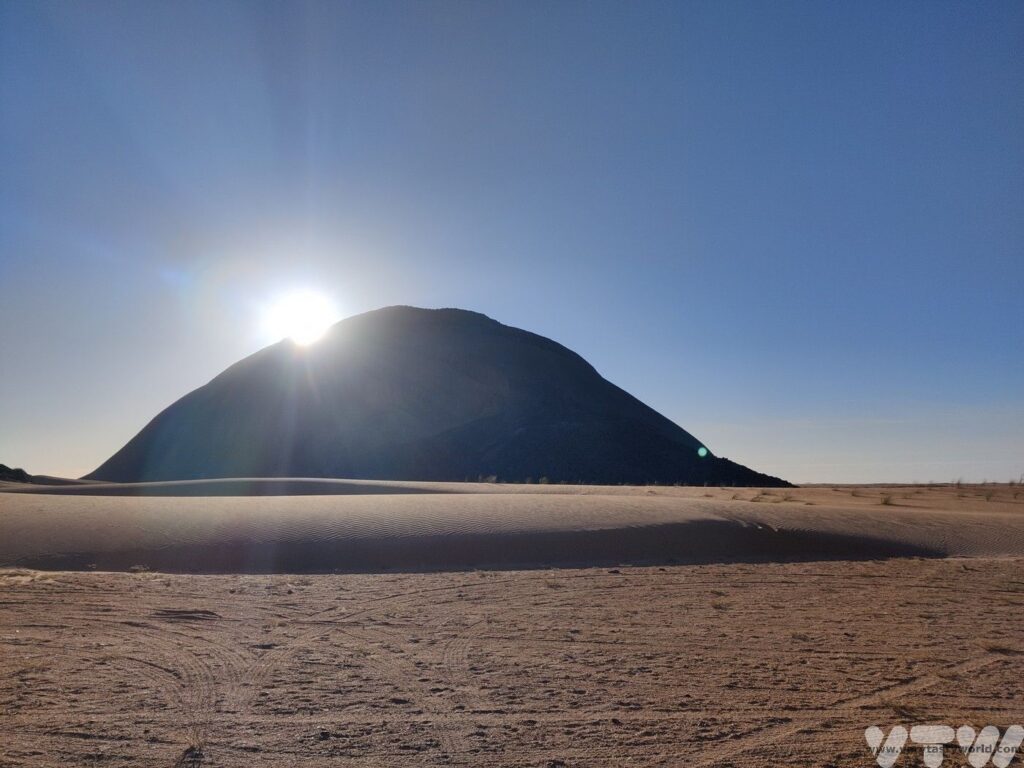
Dramatic Ben Amera is a huge monolith standing proudly in the stark desert landscape. It is actually the world’s second largest monolith after Uluru (Ayres Rock).
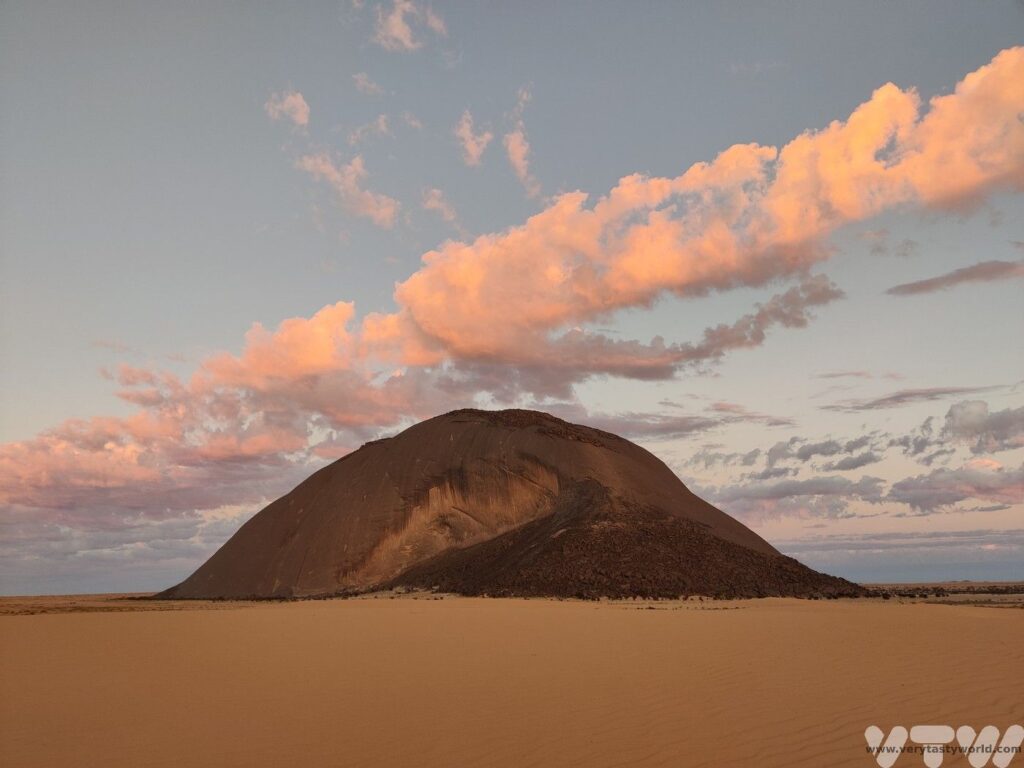
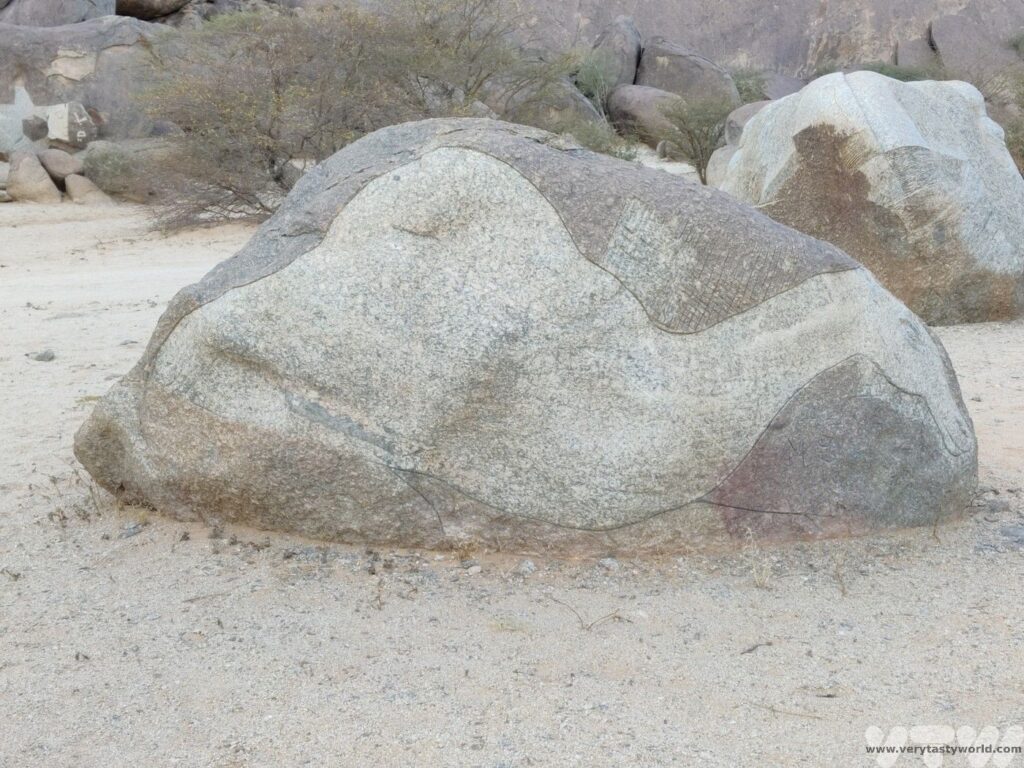
Make sure to visit Ben Eicha, a few hundred metres to the west. Legend tells that this is the ‘wife’ of Amera, who split from the main rock in a fit of jealousy. ‘Child’ rocks can be found between them, their loyalties split between the great monoliths. Ben Eicha is another beautiful rock and has the added benefit of being an outdoor art gallery. Around her base there are a plethora of sculptures from artists around the world.
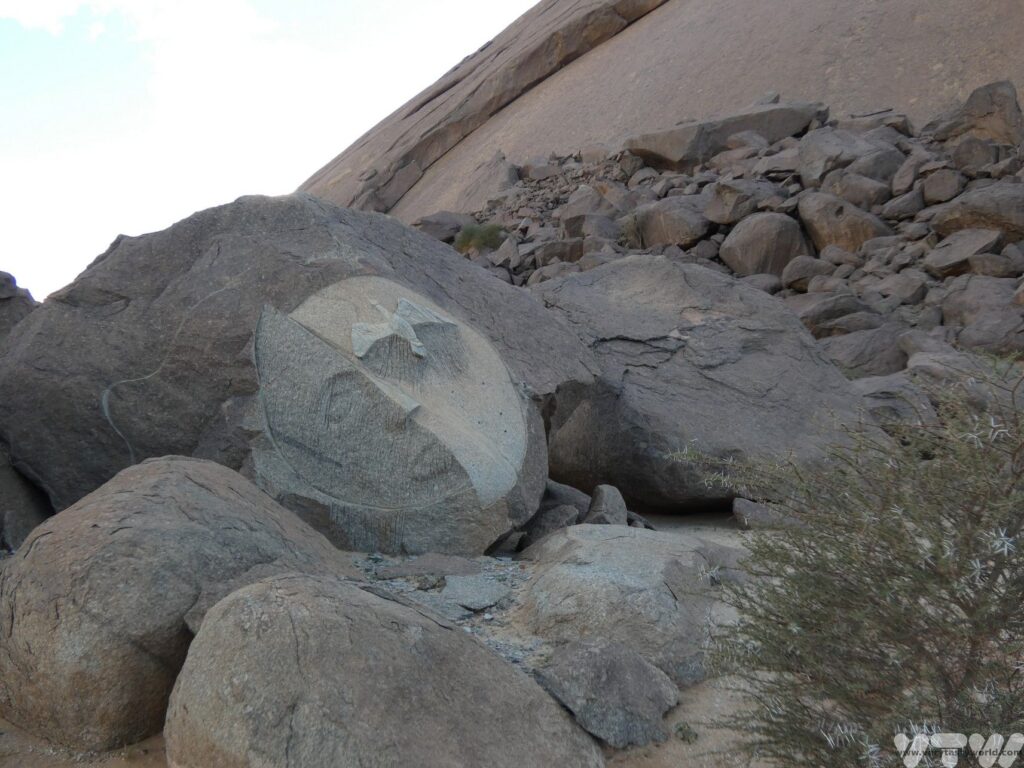
We camped under the stars at Ben Amera and it was absolutely delightful. Watching the sunset over the monolith, the dark, dark sky filled with stars and then witnessing the glorious sunrise, was a magical experience.
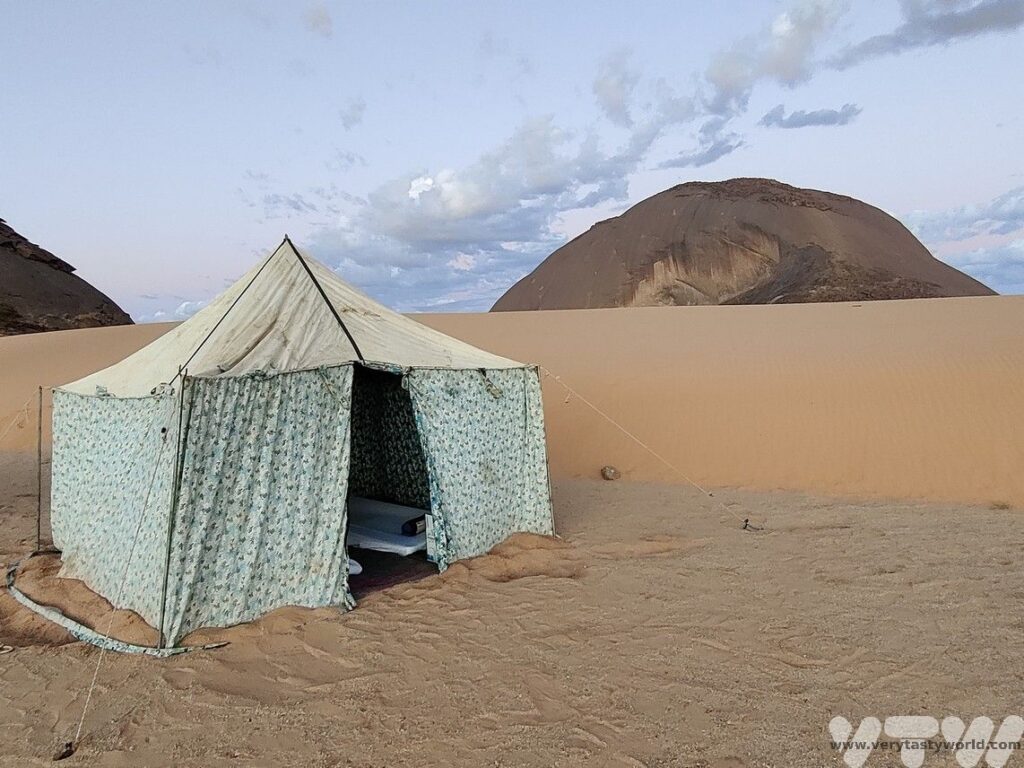
Practicalities. Our hosts provided us with a tent in case the temperature dropped during the night. This was wild camping – there are no facilities at the monolith. So we ‘washed’ using biodegradable wet-wipes (taking the used wipes with us until we could locate a bin). When we needed the toilet, we had to dig a hole in the sand, do our business, and cover it up. Any paper used was burned with a lighter for hygiene purposes. (We brought our own paper and cigarette lighter with us.)
Coastal Delights – Birds and Fishing Boats
A long journey across the vast desert took us to the Atlantic coast. We arrived at Banc d’Arguin, a pristine section of coastline where fishing villages still practice traditional methods of obtaining their harvest from the sea.
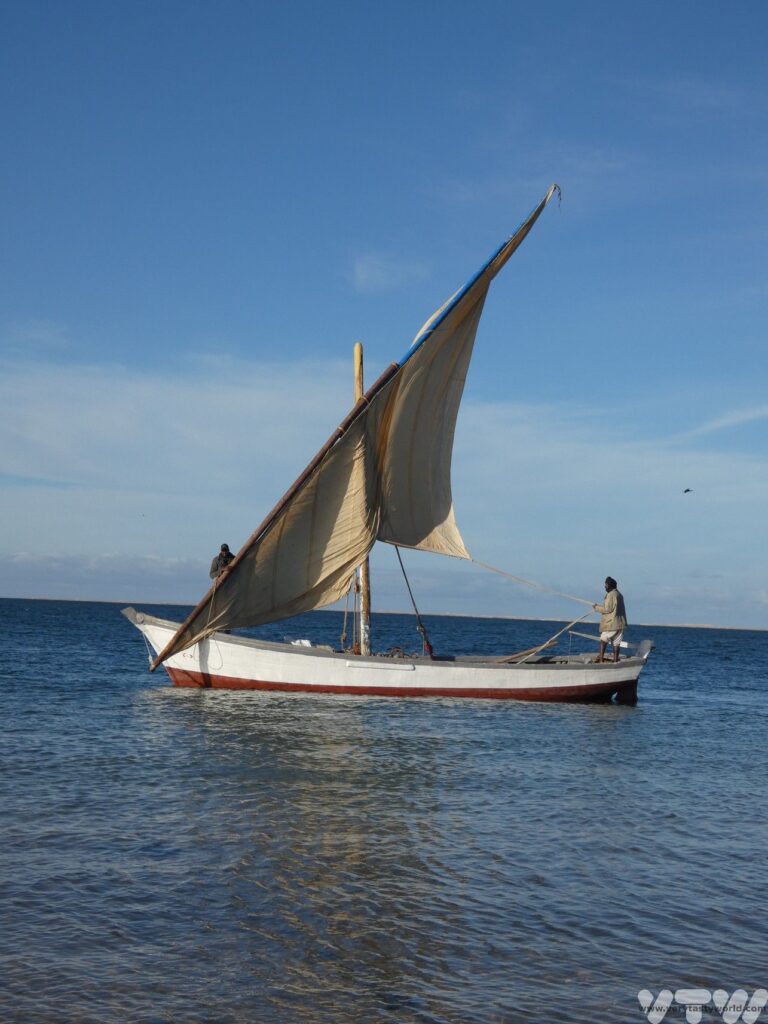
The area is a popular place for a bit of R&R after traversing the desert. There are several camps located close to beaches and it’s possible to swim in the sea here.
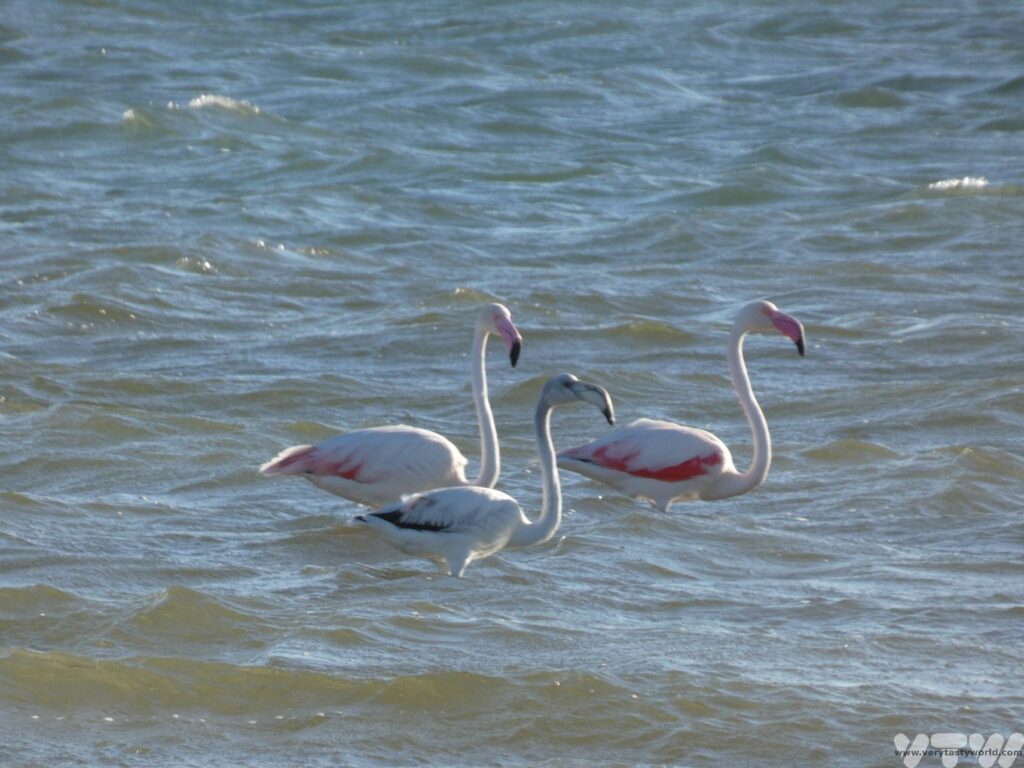
Banc d’Arguin is well known as a haven for birdlife. We were delighted to spot a large variety of birds, including flamingos, who were having a paddle in the ocean.
Explore Nouakchott
Mauritania’s capital city is large and sprawling. There are some sights to see here, but many are located quite a distance apart so you would need transportation to see them all.
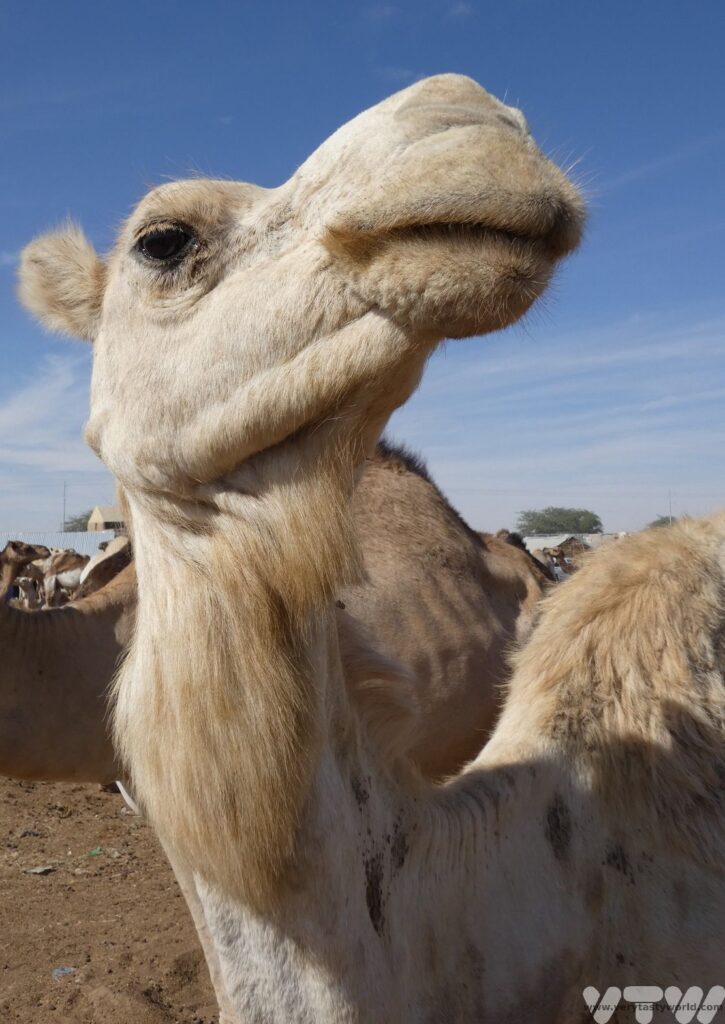
Camel Market
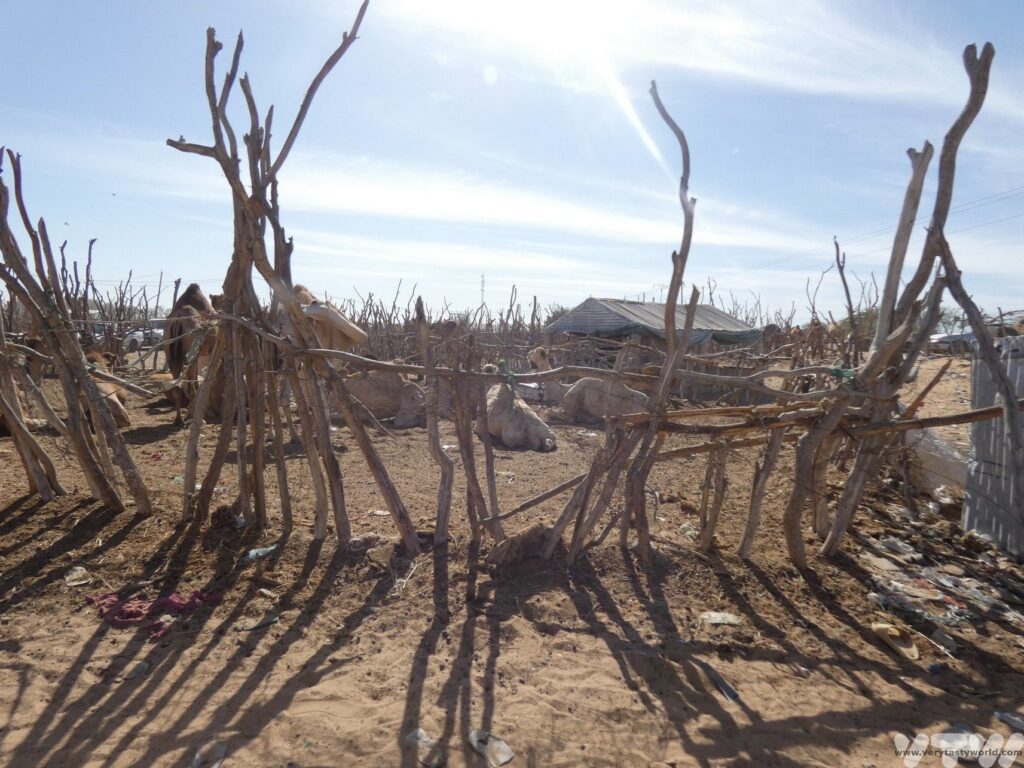
The camel market is enormous but probably the calmest livestock market we’ve visited. Camels are brought from all over the country to be traded and the best, and largest, specimens can sell for around $2500 USD.
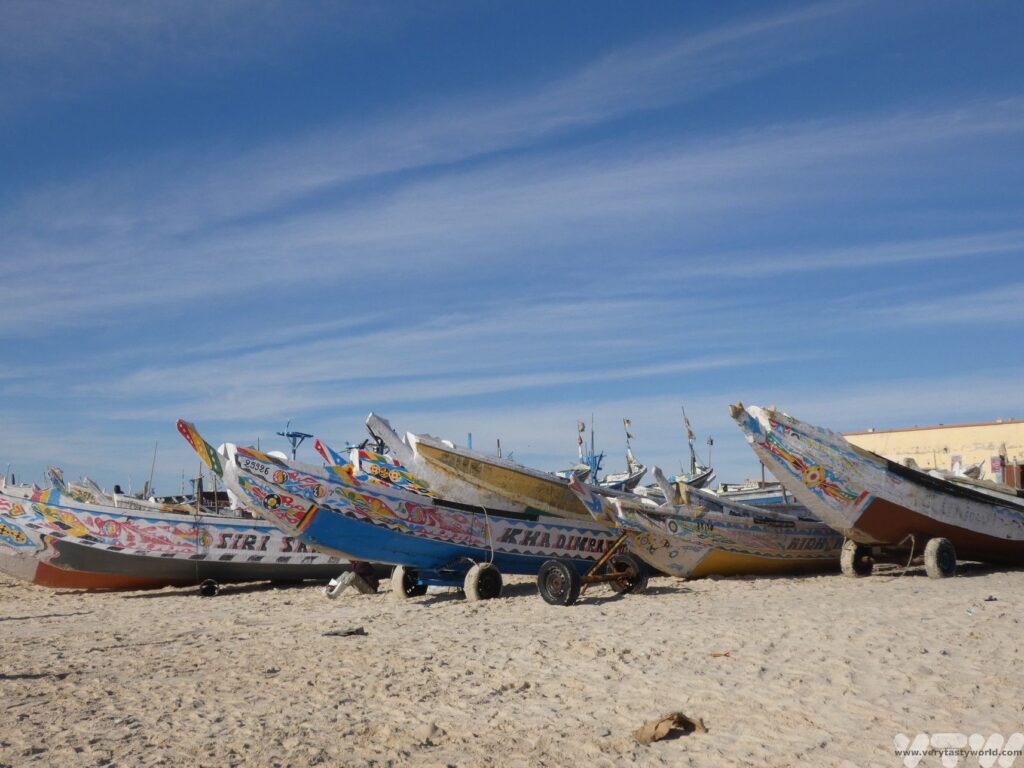
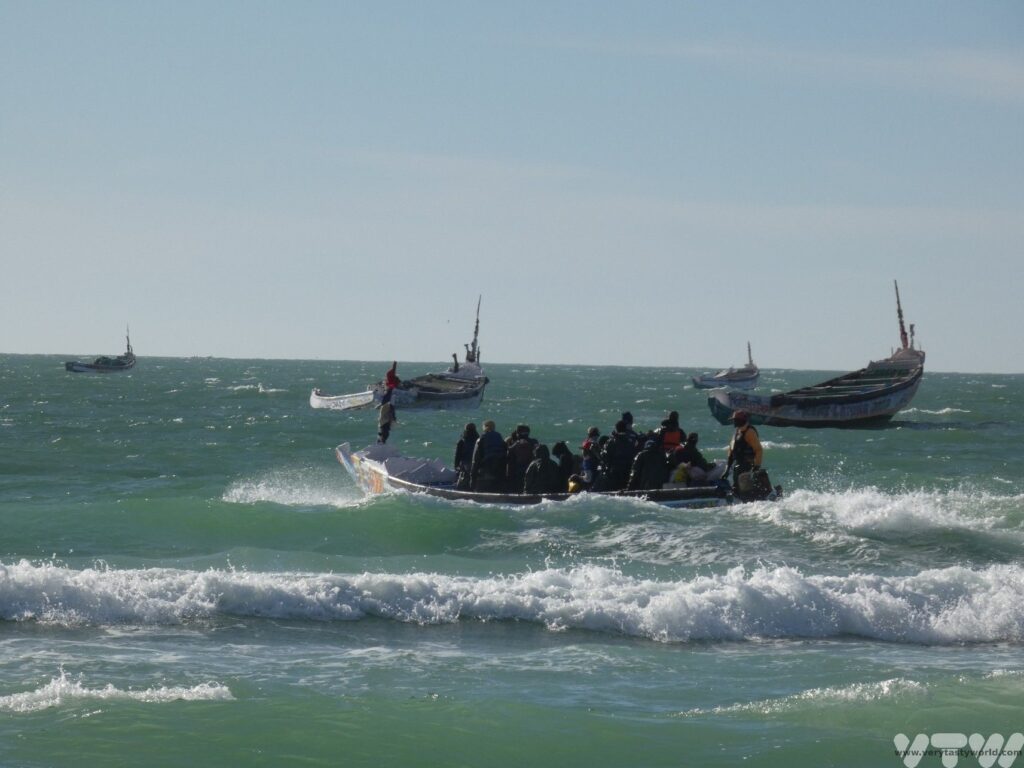
Fish Market and Fishermen on the Beach
The fish market on the coast is a lot more lively, busy and bustling as the day’s catches are brought ashore and traded. You can walk through the crowded market to the beach and watch the fishermen load up their colourful boats before heading out to sea.
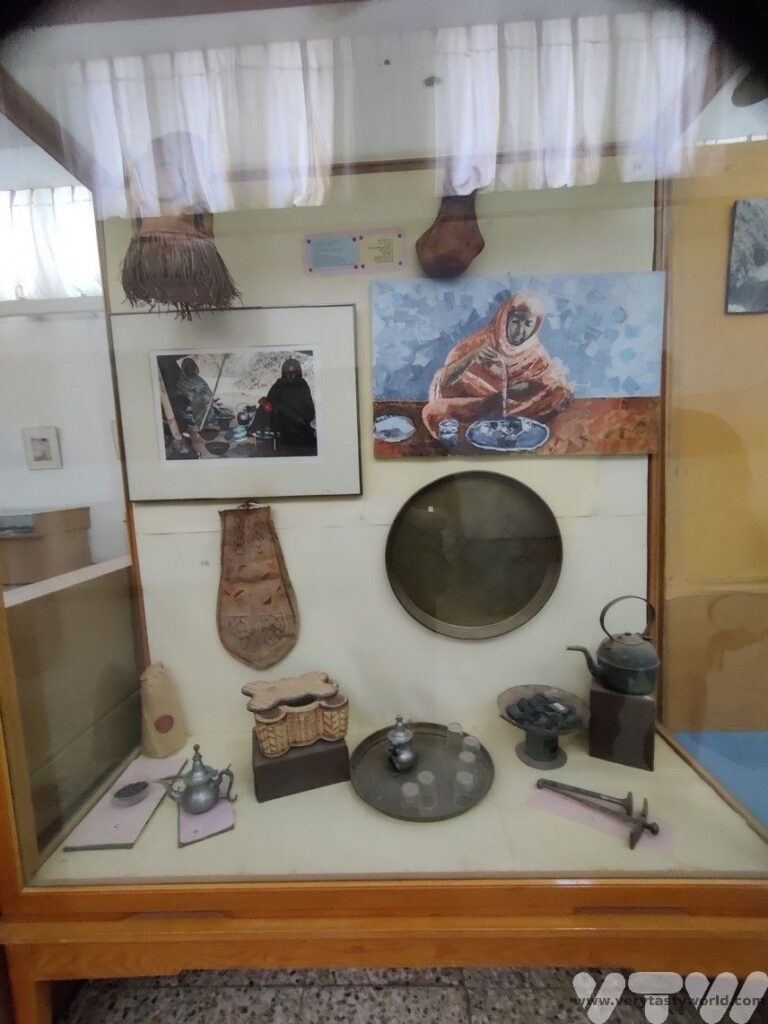
National Museum of Mauritania
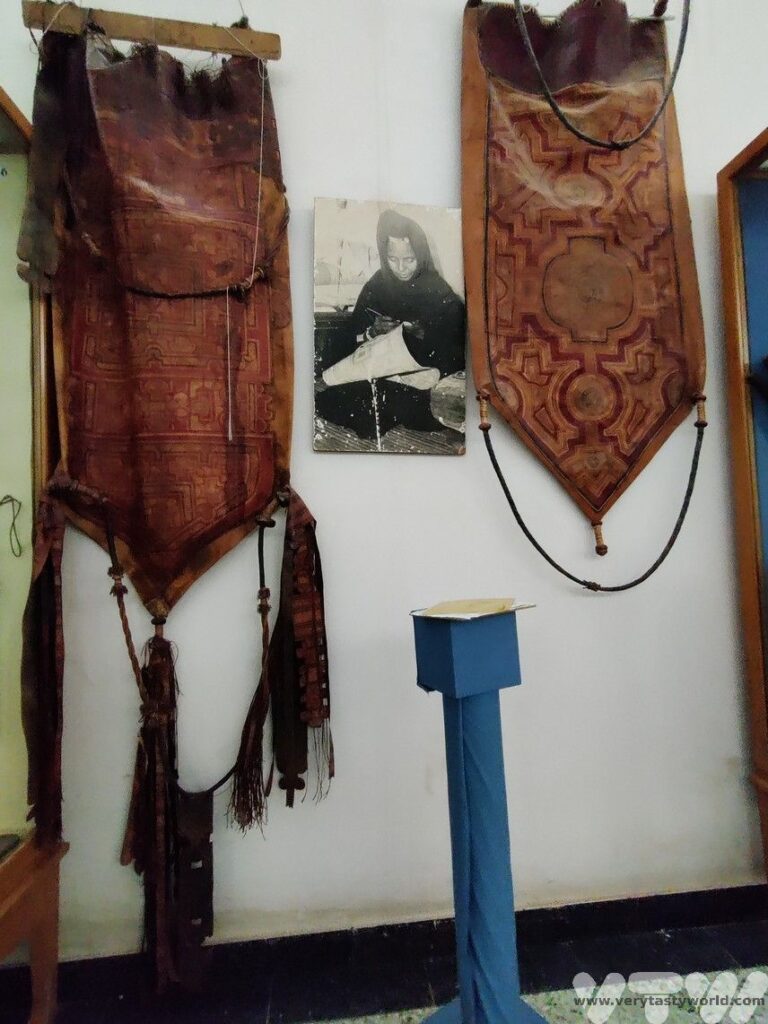
This museum, spread across two floors, offers exhibits showing the history of Mauritania as well as important cultural artefacts. It costs 50 Ouguiya to enter and photos aren’t allowed on the ground floor.
Galerie Zeinart – Art Gallery
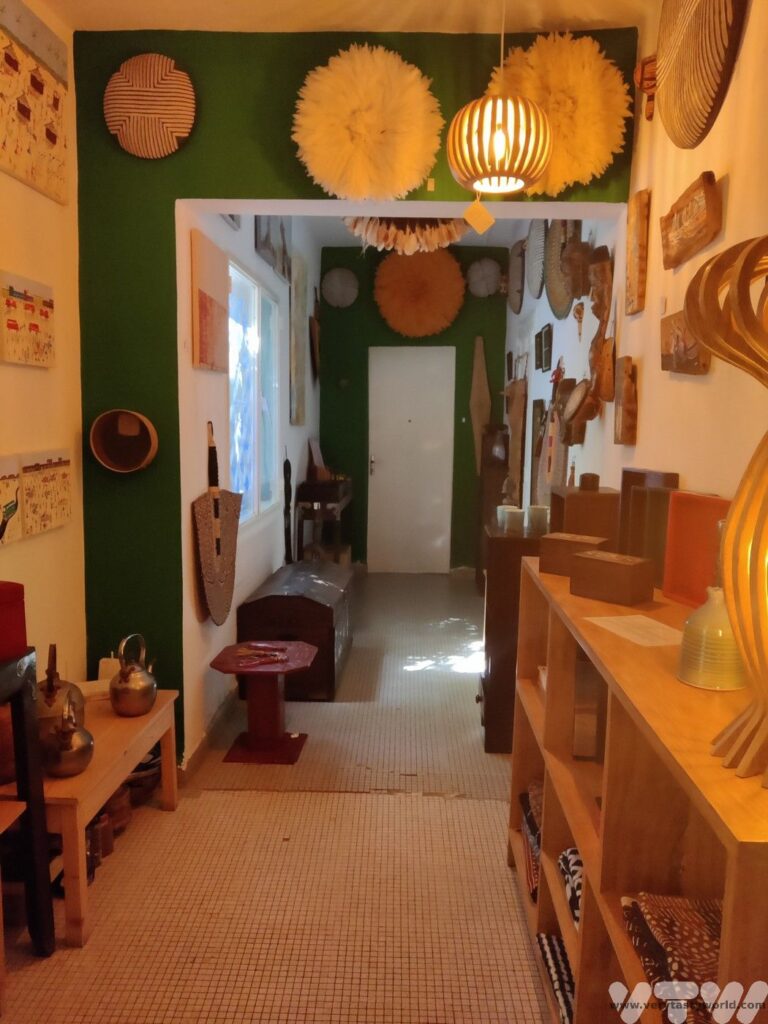
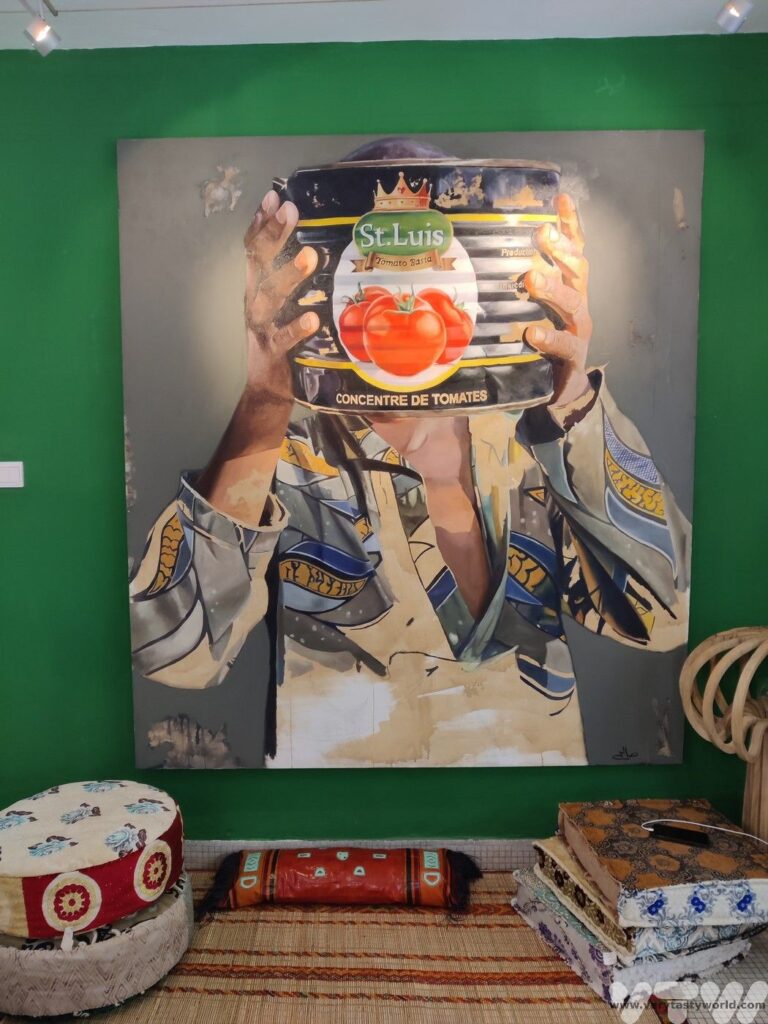
Located in such an unassuming neighbourhood that we walked past the entrance five times before realising that we had arrived at the gate, this is a small art gallery which showcases art and crafts from local people. The artwork is available to buy. There’s also a garden where you can have a cup of tea and meet the local chickens.
The Train-sized Elephant in the Room
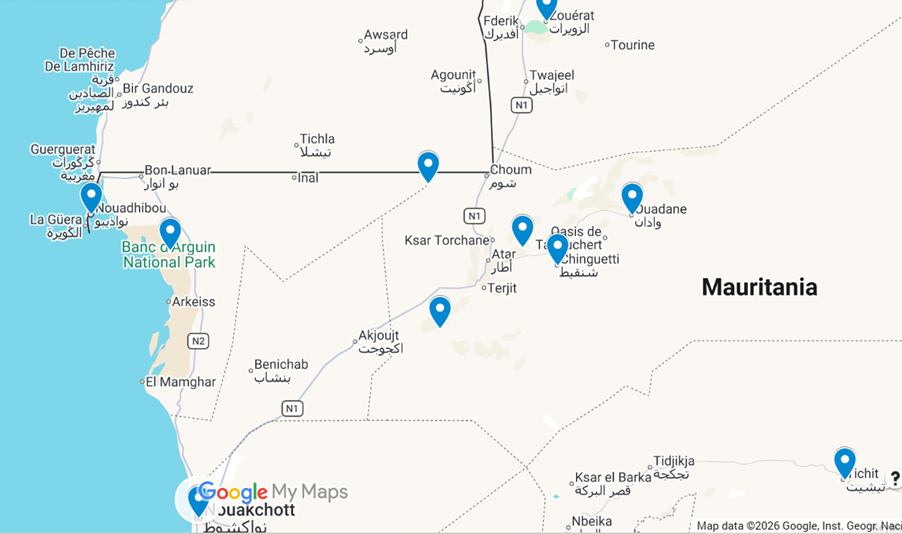
Now, you may have noticed that so far we haven’t mentioned Mauritania’s iron ore train. It’s a favourite with adventurers – where you sneak a free ride in a wagon on one of the world’s longest trains as it transports iron ore from Zouérat in the east of the country to Nouadhibou on the coast. It’s probably Mauritania’s best known tourist attraction.
We did think long and hard as to whether we’d try to ride the train. Strictly, it’s illegal, and the iron ore company have employed more security in recent years, so getting into the wagons is much more difficult. It’s a really long journey – 22 hours from Zouérat, 14 hours from Choam.
It’s incredibly hot during the day, incredibly cold at night and you have to cover up fully (goggles and face masks) to try to prevent getting covered in potentially toxic iron ore, which ends up being a futile endeavour anyway. (We know someone who has done the journey and they said you end up breathing in a lot of iron ore.) Eating and drinking (and peeing etc) is difficult too. We decided that, while it would be an experience, it just wouldn’t be fun.
We did see the train as we traversed the desert – and waved to the drivers. But, ultimately, are very glad that we enjoyed an amazing road trip instead.
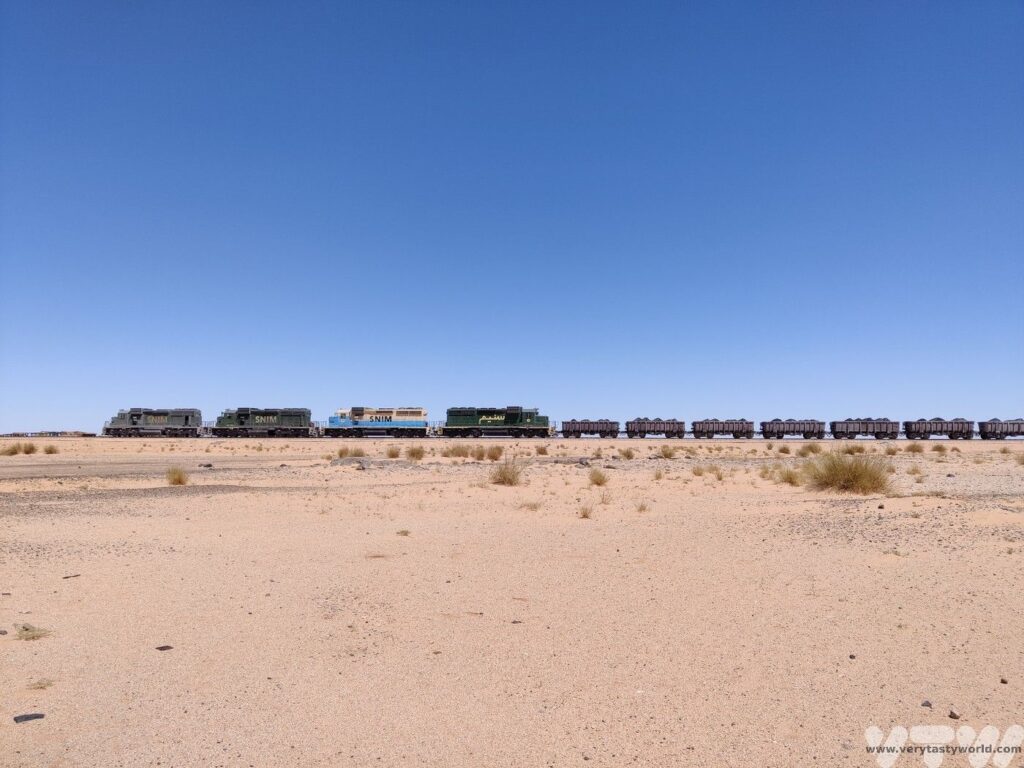
If you want to try riding the train you’ll need to get to Zouérat or Choam (although the train isn’t guaranteed to stop at Choam). You’ll also need to avoid the security guards.
Mauritania for Foodies
To be honest, we weren’t expecting much from the food of Mauritania but ended up being pleasantly surprised. Most notable was how important the country’s cuisine was linked to that of the desert.
Date palm trees are a sign of water – a sign of life. There are many oases throughout the desert, their presence marked by the palms.
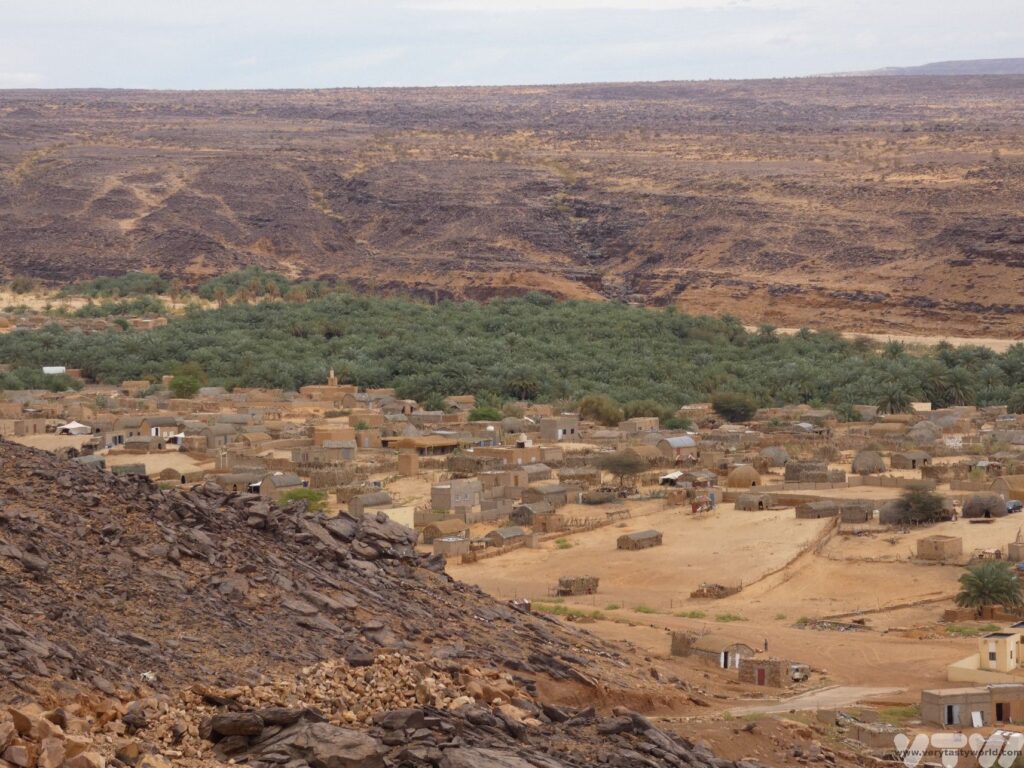
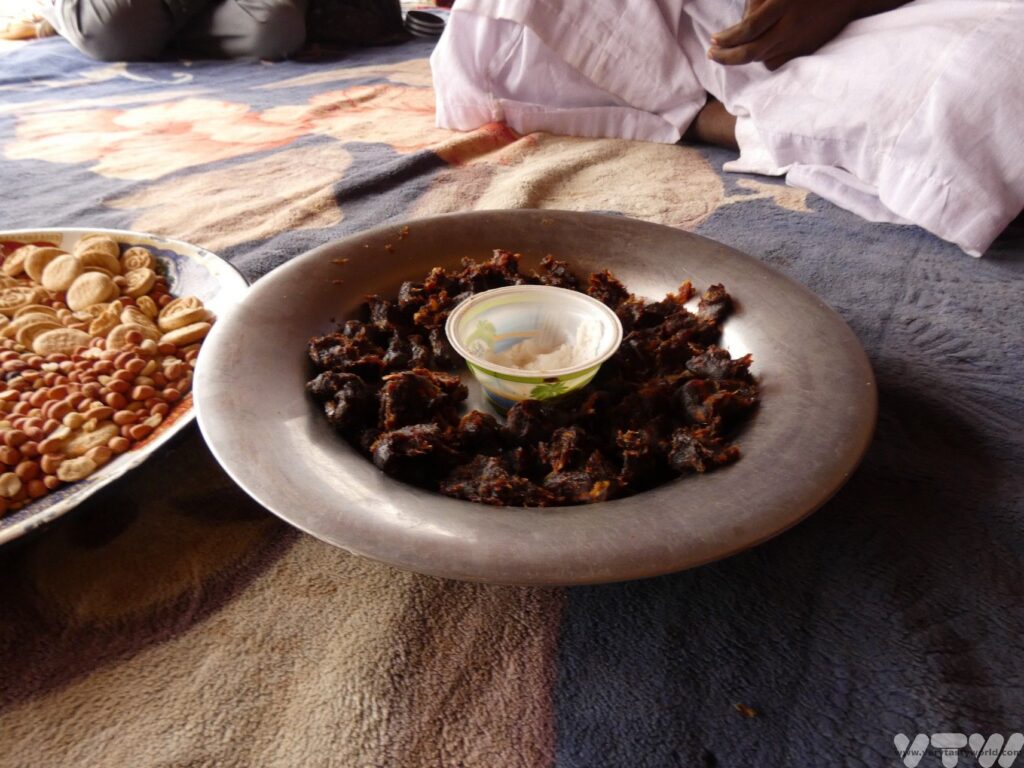
The date fruits are an excellent source of energy as well as essential vitamins and fibre. They are a really healthy source of nutrition.
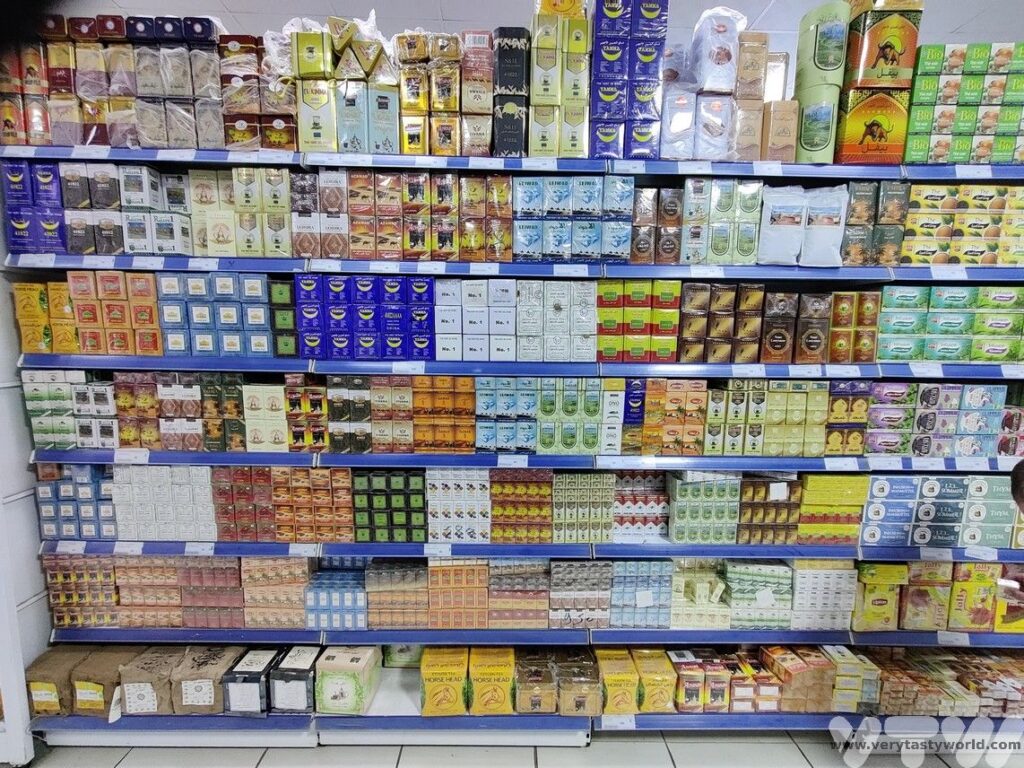
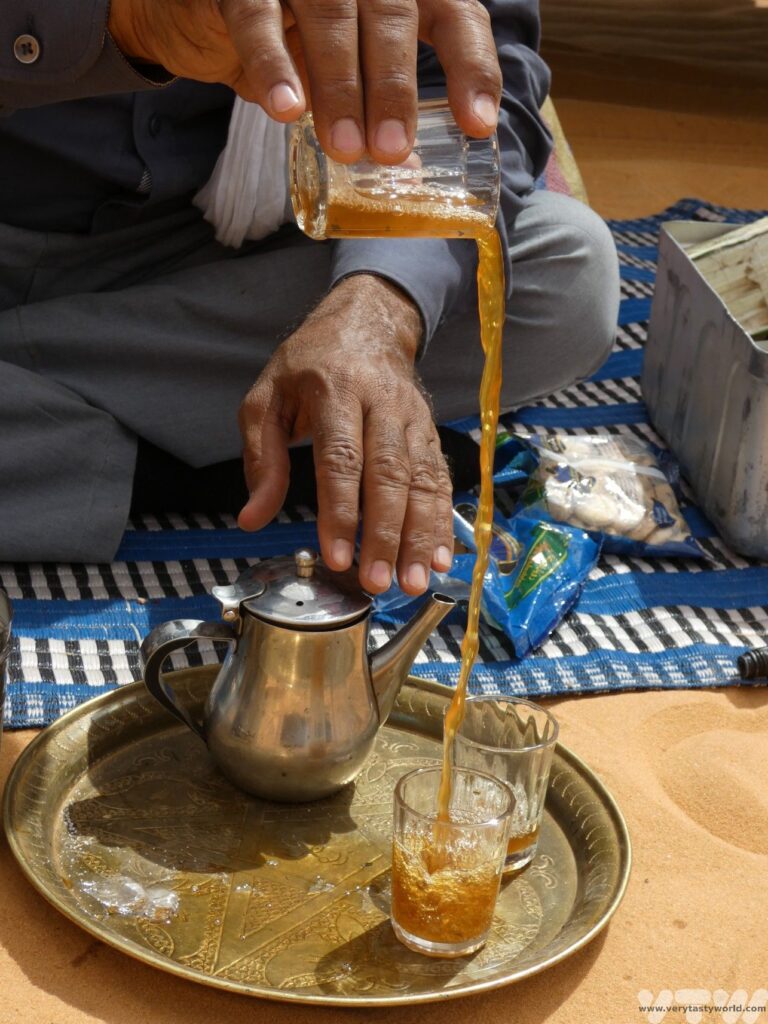
Tea is very popular in Mauritania. The local people have developed a tea ceremony which creates a foam on top the tea to ensure that the desert sands can’t infiltrate the goodness of this refreshing beverage.
Rice and couscous are staple foods. The country’s national dish is theibouden (pronounced chi-boo-jen), a delicious rice dish served with fish. It is thought to be a forerunner of jollof rice.
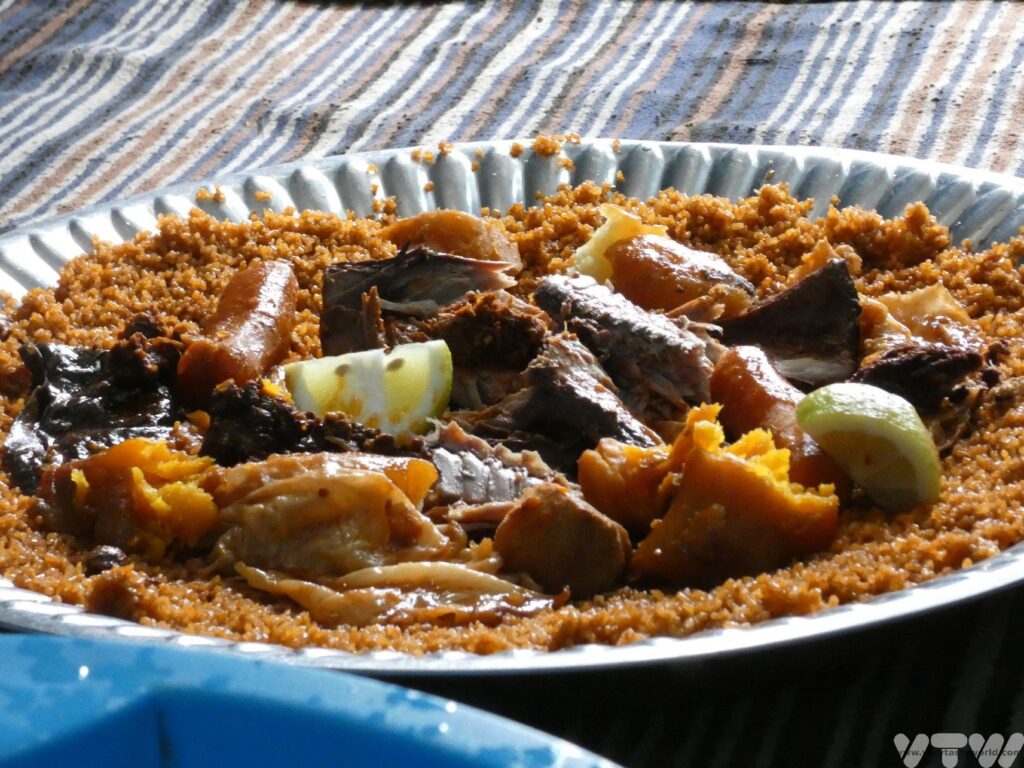
Food is eaten with your fingers, which can be a bit challenging – and messy! – initially. You can read our detailed post about the food of Mauritania.
Final Thoughts
Mauritania is still a relatively ‘off the beaten track’ destination. It is a fascinating place to visit, with amazing historic cities dotted within a vast wilderness landscape. We received a friendly welcome wherever we visited and we felt safe. The only downside was the bureaucracy, which was a little frustrating at times. But we would most definitely recommend a journey through the desert – there is so much to discover.
Related Posts You May Enjoy

- Adventures Off the Beaten Track: Things to Do in Mauritania
- The Food of Mauritania – Cuisine of the Desert

- How To Visit Victoria Falls

- A Thrilling Botswana Walking Safari in the Okavango Delta

- Andasibe Mantadia National Park Madagascar

- Skeleton Coast Self Drive in Namibia


Thanks so much for reading. We hope you enjoyed this article. If you’d like to keep up to date with new posts and recipes, please subscribe to our newsletter or follow us on social media – Bluesky, Facebook or Instagram. We always love hearing from you and would be delighted to read your thoughts about this article.





Oh look at all the sand, this would be a dream for me! I have read your post with strong interest and agree that the best way for a first taster of the country would be via a booked tour. Seeing how much you did and experienced whilst not rushed I would also opt for a tour. Yes, the train journey on the iron ore….I am also a bit hesitant. I know Angela has done the ride but the conditions of hot day time and cold night time plus logistics are just a bit too adventurous for me. Still cudos to any traveller whose done the journey.
Carolin | Solo Travel Story
Mauritania sounds fascinating (once you get through security!) I think I would follow your lead and book a local tour, the thought of having to dig myself out of the sand is not at all appealing. I love the petroglyphs and would thoroughly enjoy discovering them. The iron ore train ride would not be on my list but I would love to see it go by.
As for the post lead in, I did the same exact thing LOL. I read the words but instantly thought about that other place. When I saw the desert I thought twice.
Gorgeous looking spot. The desert has a sense of calm about it difficult to capture until you spend some time there. The lack of stuff around means that sound doesn’t vibrate back to you as much. Everything’s quiet.
You wrote Mauritania but I also read Mauritius. While it sounds like a bit of an effort to get into the country, it does look fun to explore. The sand dunes seem endless, and so uniquely beautiful, although I’d be a little scared of getting stuck in one in the car. The petroglyphs are so cool, and I like the idea of camping under the stars. The real question though: did you buy a camel?!
All I knew of Mauritania before reading this was the iron ore train so it was great to see that there’s so much to see and do there, even if it’s not that easy to get there. I’ve been to the Sahara in a few different countries and love the constantly changing sand dunes, even more magical after dark. Kudos to the locals for their tea ceremony to keep the sand out of their drinks – it really does get everywhere!