A Namibia Road Trip – A Self-Drive Odyssey
If you want to go on safari you usually find a company who can take you into the wilderness and drive you on game drives around parks. But what if you could take yourself on safari, drive a rental car around spectacular scenery and see some of the amazing big game animals? You can easily do this in Namibia. A Namibia road trip is a fantastic way to explore its spectacular sights and take yourself on safari at the wonderful Etosha Park.
This road trip starts and ends in Namibia’s capital, Windhoek, and covers many of the key attractions in northern Namibia. When we first started planning the trip we really wanted to see the remarkable Fish River Canyon but the driving distance was so long we decided to stay in the north and have time to experience its charms rather than spend all our time on the road.
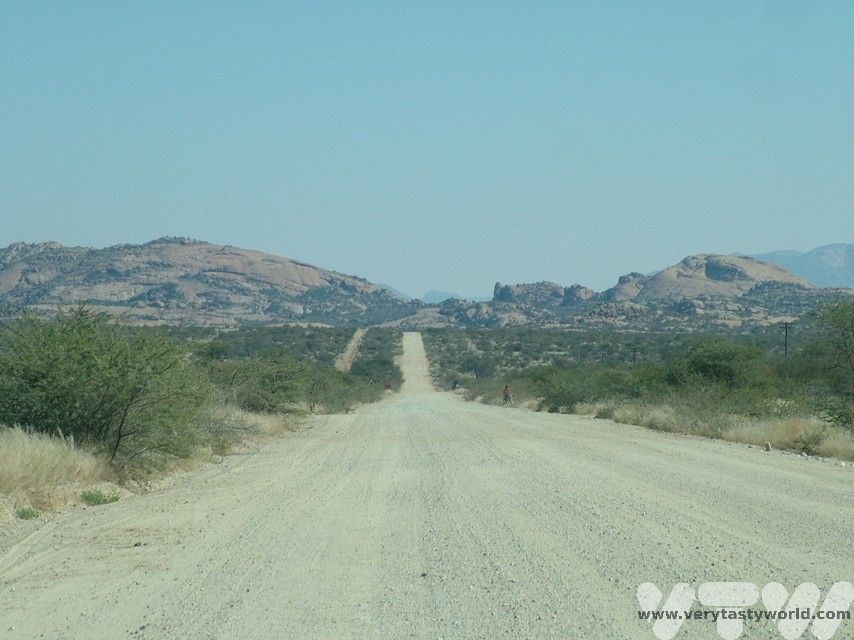
Driving in Namibia is easy. The roads are long and broad, and there is generally not much traffic, except in towns. Driving is on the left side of the road. Be aware that many of the roads are gravel construction, so we recommend taking a spare tyre with you, just in case you get a puncture. If you do get a puncture, there’s a strong likelihood that people will stop to help.
It is a pleasure to drive through the countryside. The landscapes are stunning and the driving is so relaxing you can take your time as you travel between each location.
Please note that this post contains affiliate links. If you click through and decide to make a purchase we will make a small commission, at no extra cost to you, which will help towards the costs of running this site. Thanks for your support!
When to Visit Namibia
You can travel to Namibia at any time. May to October are the winter months where the weather is dry and days are mild (around 20C), but nights can be chilly in the desert. July to September is peak season and prices are likely to be higher at this time. During the dry season, game spotting can be easier, especially as animals congregate around watering holes.
The shoulder season incorporates the months of April and November – perfectly fine times to visit.
The wet season, also known as the green season, runs from December to March. It’s still okay to visit at this time. Rain usually comprises short heavy afternoon showers and this is the season to view lush landscapes and wildlife with their babies.
Self-Drive – Renting a Car
Most people fly into the country’s capital city, Windhoek. You can pick up a car at the airport. This itinerary is perfectly possible driving a 2WD. We drove a saloon car with no difficulty. If you want to go off-road, particularly in the Skeleton Coast area, then you would need a 4WD.
Rental agencies offer spare tyres which usually cost a little extra, but we recommend adding them to your hire plan. They may well charge to clean the car – our vehicle was absolutely filthy after our trip – so you can get the car cleaned at a local garage prior to returning it to the agency. It works out a lot cheaper.
Top tip: fuel stations can be few and far between locations, so we made a point of filling our tank every time we saw one. It meant that we were constantly topped up.
Costs of the Trip
Namibia is not a cheap destination to visit but it is cheaper than its neighbour Botswana, where prices can be eye-wateringly expensive. This road trip will be cheaper than a safari with a tour operator. Costs for accommodation have increased in recent years, so we recommend researching different options.
On a road trip you will need to include the cost of fuel as you travel. Fuel prices are particularly volatile at the moment, so it’s difficult to estimate costs. Costs will depend not only on prices but also on the fuel consumption of your rental car but this trip is around 2000km so you can make an estimate based on this.
You will be passing through several national parks on this trip and therefore you will need a permit for each, with accompanying fee. These can be purchased at the park gate. If you are staying on the Skeleton Coast, you will need to purchase an overnight permit and provide proof of accommodation. Check the government website for the entry permit requirements.
Namibia Accommodation
There is a broad range of accommodation in Namibia, ranging from posh to simple camping sites. The lodges are generally more expensive but they usually include meals and some may offer activities, such as nature walks and sundowners (often with a tipple) at the end of the day.
A Namibia Road Trip
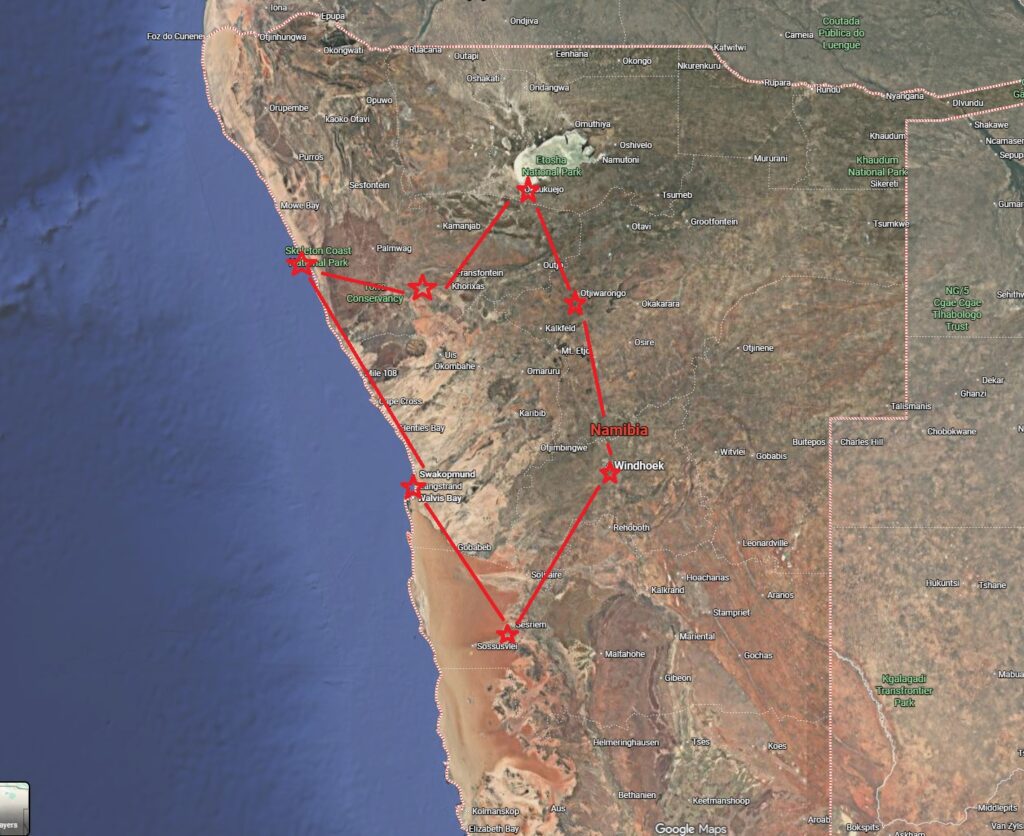
This map shows the locations visited on this road trip – showing the route ‘as the crow flies’ in order to give you an understanding of where each destination is located and roughly how far apart they are. Start in Windhoek and go south, but if you want to do the trip in reverse, by all means go for it!
Day 1 – Explore Windhoek
Arrive Windhoek and pick up your car. If you have time you can explore the country’s capital city. It has a Lutheran church as well as a small city museum and art galleries to explore. The National Gallery is free to enter. There is also a traditional crafts market. Normally we’d recommend buying souvenirs at the end of your trip but if you have a car, you can buy them anytime. Although there is another local craft market in this itinerary, on the way back to Windhoek, so you may want to save some space in your vehicle.
Day 2 and 3 – Desert and Dunes
Drive to the Namib-Naukluft National Park (~250km, 3.5 hours)
Leave the city and drive south towards the area around Sesriem. The settlement itself mainly comprises a fuel station and a few small shops where you can stock up on food and water. There are plenty of lodges and camps in the area but many of them are several kilometres apart. We stayed at Desert Homestead which was around 30km away (about a 20-30 minute drive from Sesriem Gate). We enjoyed our stay at this lodge – we had our own cabin where we could sit out and look at the amazing landscape.
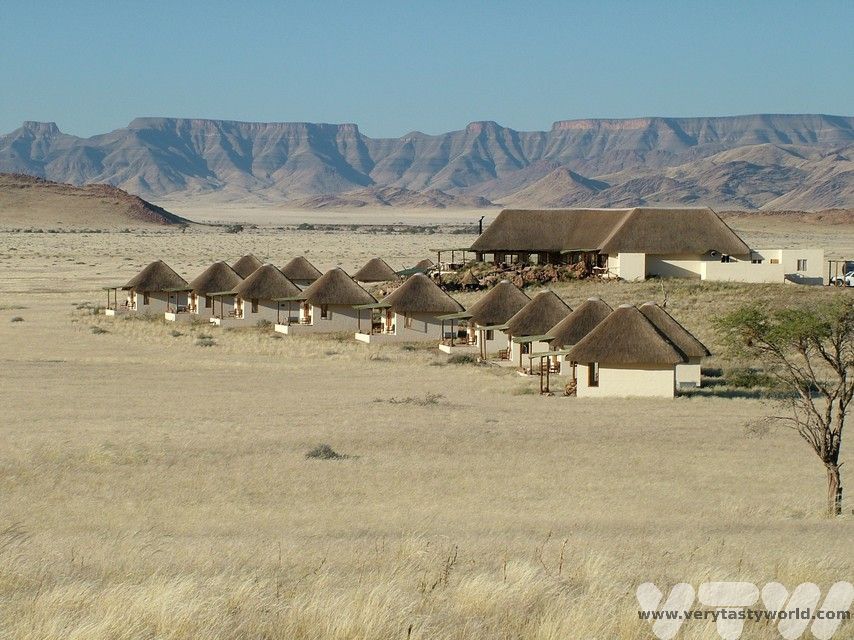
On the following day get up early and drive to Sesriem Gate then turn onto the tarmac road to visit Sossusvlei. It’s a reasonably fast 60km journey from the gate on a clear road.
Sossusvlei, surrounded by beautiful sweeping red dunes, is the key attraction in this area. Some of the dunes here are amongst the highest in the world. There are plenty that reach 200m and Big Daddy, the tallest of them all, is around 325m high.
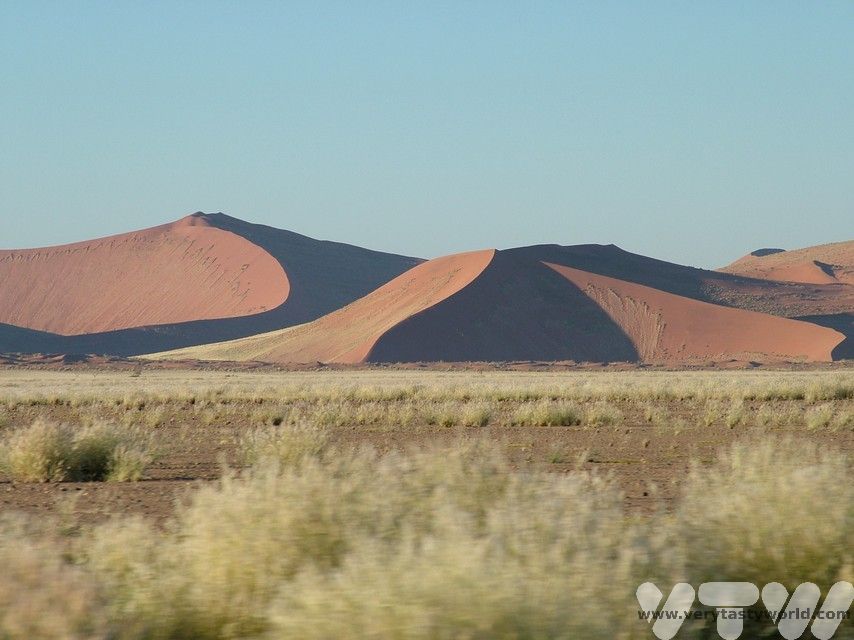
Dune 45 (45km from the entrance) is the star dune and the only one that tourists are allowed to climb.
Dead Vlei lives up to its name, it is a dry pan sparsely populated with the remains of dead trees. A vlei is a dried-up river or pool. It was formed after the Tsauchab river flooded and created a pond, permitting camel thorn trees to grow… but only temporarily. The vlei dried up following a drought and the trees sadly died, their remains in the pan stand stark and sad, but undeniably beautiful.
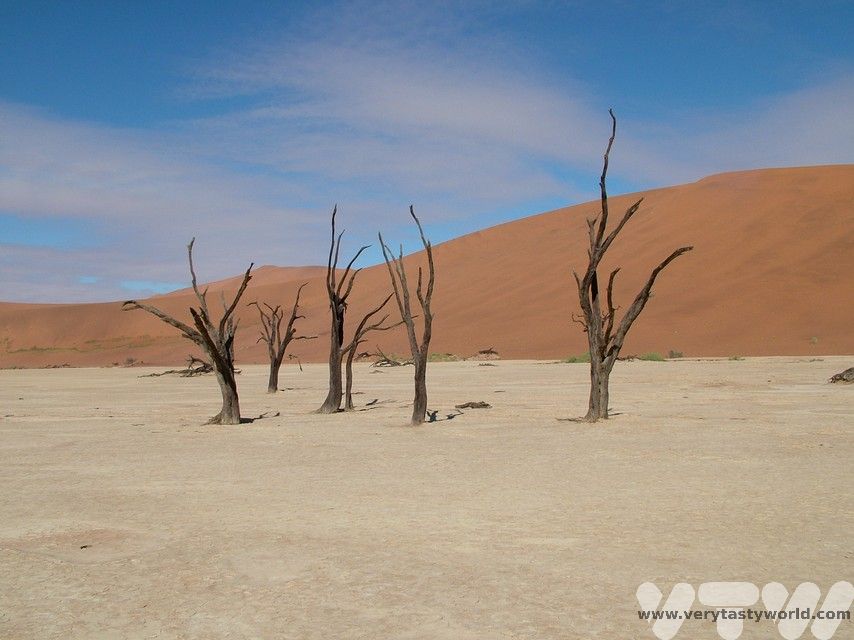
There is a parking lot some 4-5km away from the vlei. You can walk or take a shuttle (for a fee).
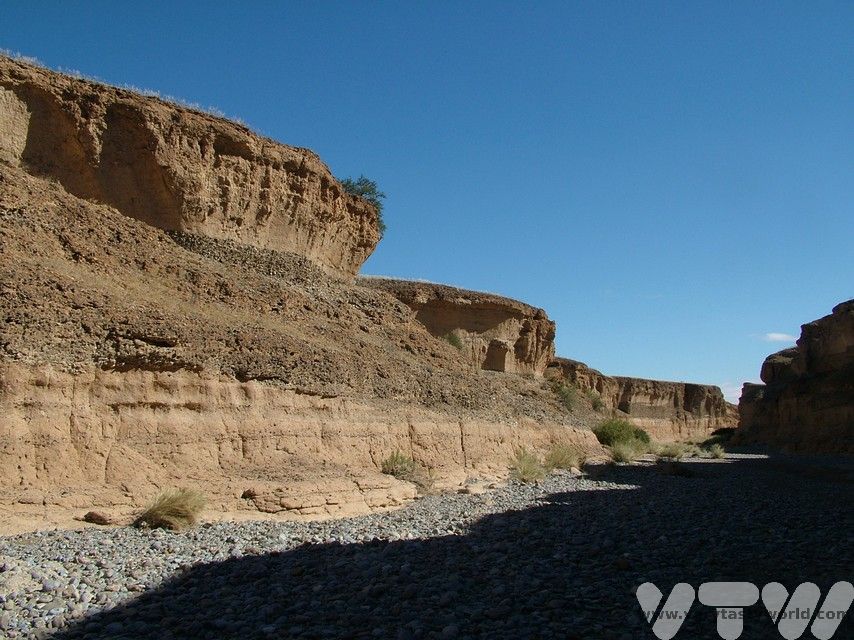
On your return you can visit Sesriem canyon. It’s an easy walk through a canyon which has been shaped by the Tsauchab River. Unusually for Namibia, part of the canyon manages to retain water all year round. The name Sesriem derives from ses (six) and riem (leather straps), a functional name derived from the fact that local people used a length of six leather straps which were lowered into the canyon in order to fetch water.
Days 4 to 7 -The Wild Atlantic Coastline
Drive to Swakopmund (100km, ~1-1.5 hours).
Swakopmund is located on the coast in the east of Namibia. It’s a great place to rest for a while, enjoy splendid food and drink and choose from a variety of activities ranging from the gentle to the adventurous.
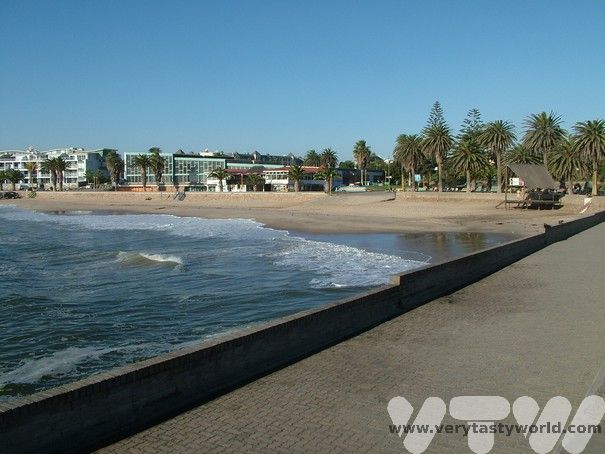
Day 4 to 6 Swakopmund and Walvis Bay
Spend a couple of days in Swakopmund to relax and enjoy some activities. Adventure seekers will definitely enjoy their time here. There are plenty of activities from a hot-air balloon ride across the desert at sunrise…

… to quad bike riding on the dunes, which is great fun. Parasailing across the desert is another fantastic activity.


Make sure you take time to visit Walvis Bay, about 45 minutes south of Swakopmund. This delightful – but sometimes misty – bay is home to a colony of Cape Fur seals. You can arrange to go kayaking on the bay and some of the more curious seals will almost certainly join you.

Swakopmund For Foodies
In terms of accommodation, we stayed at Sam’s Giardino in town. They offer wine tasting evenings which are great fun and an opportunity to discover mainly South African wines.
For great food, we recommend The Tug restaurant – so called because it was built around an old tug boat. Expect superb seafood and crisp wines for a decadently delicious dinner. The seafood extravaganza is just that!
Day 7 – The Desolate Charms of the Skeleton Coast
Drive north along the Skeleton Coast to Terrace Bay (360km, 6 hours).

The Skeleton Coast is a strip of land where the arid Namib Desert meets the wild Atlantic Coastline. It is an area where the skeletons of unfortunate creatures and shipwrecks line the sandy coastline.
You will need a permit to enter the Skeleton Coast National Park that incorporates an overnight stay. You also need to pre-book your stay.
The route along the coastline is stark and striking. If you are driving a 2WD, stay on the road, but feel free to stop and walk along the sands at any time.

You can read more in our post about our Skeleton Coast road trip.
Day 8 -Inland to Damaraland
Leave the Atlantic coast and drive into the desert to Damaraland (~250km, ~4.5 hours).
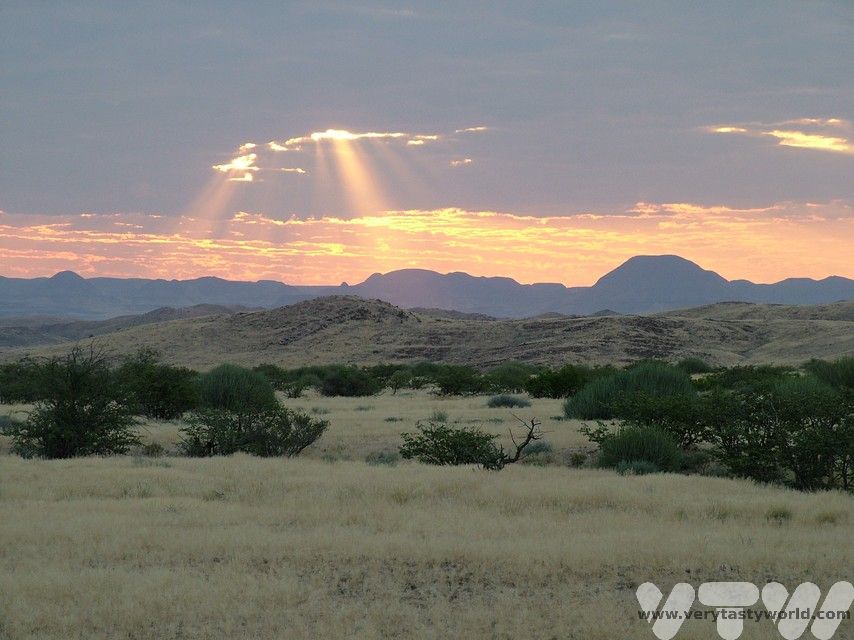
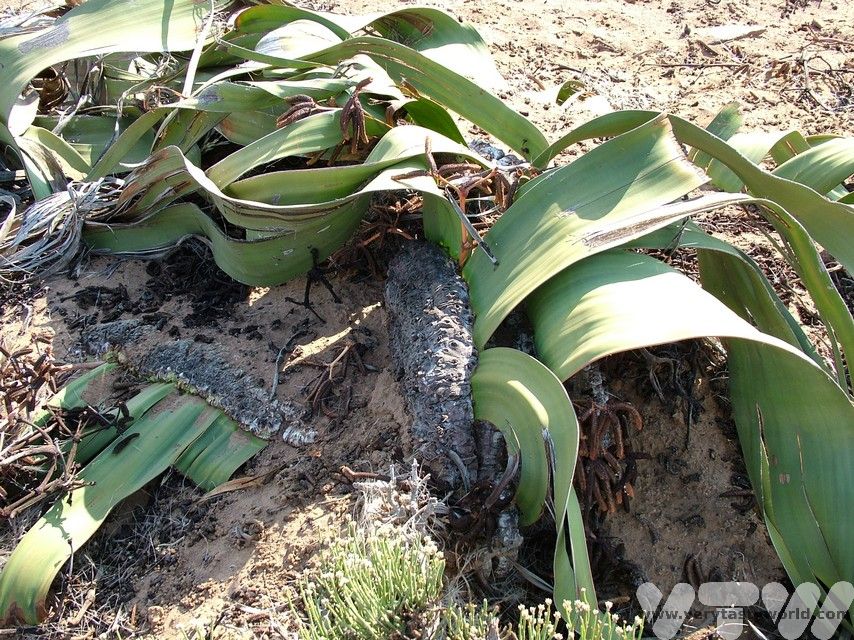
On the way, look out for the Welwitschia mirabilis plant. They may look a bit droopy, but these are some of the oldest plants on earth, some thousands of years old.
Day 9 – Explore Damaraland – Rock Paintings and Elephant Excursions
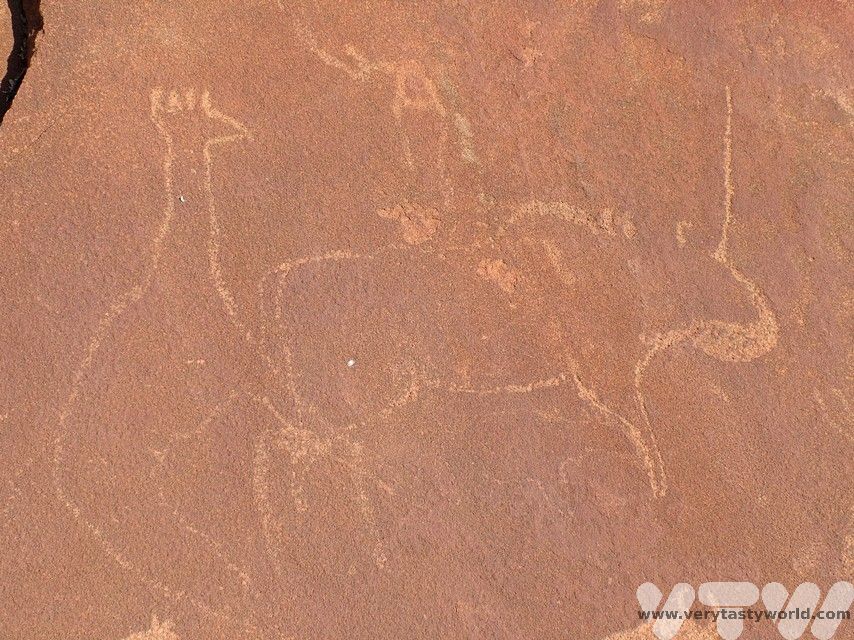
Twyfelfontein has been inhabited for over 6000 years and is best known for its ancient rock paintings. The site is UNESCO listed and there are many paintings and engravings to view. The paintings generally depict animals such as giraffe, zebra, elephant and rhino but there are also paintings of hunter-gatherer humans. Some sites even have very rare hand and footprints.
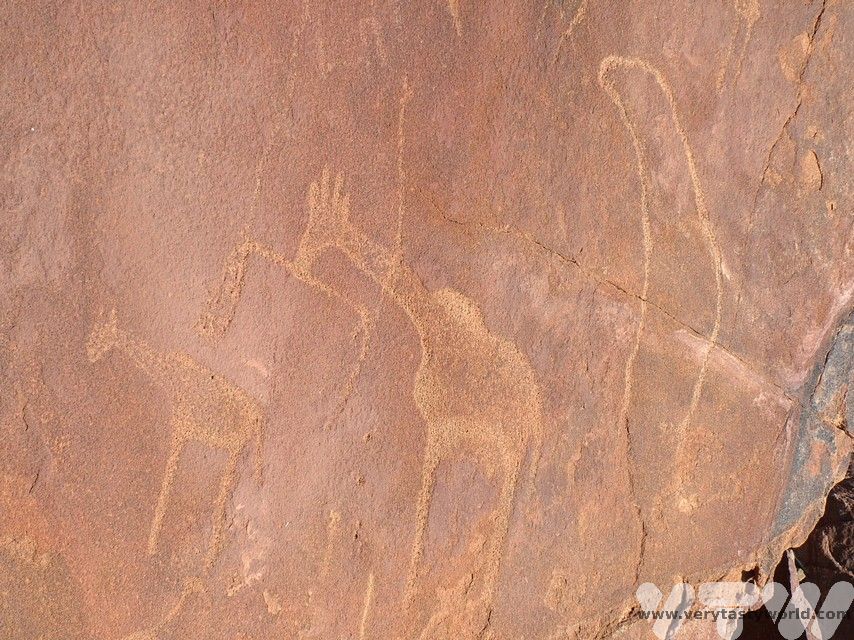
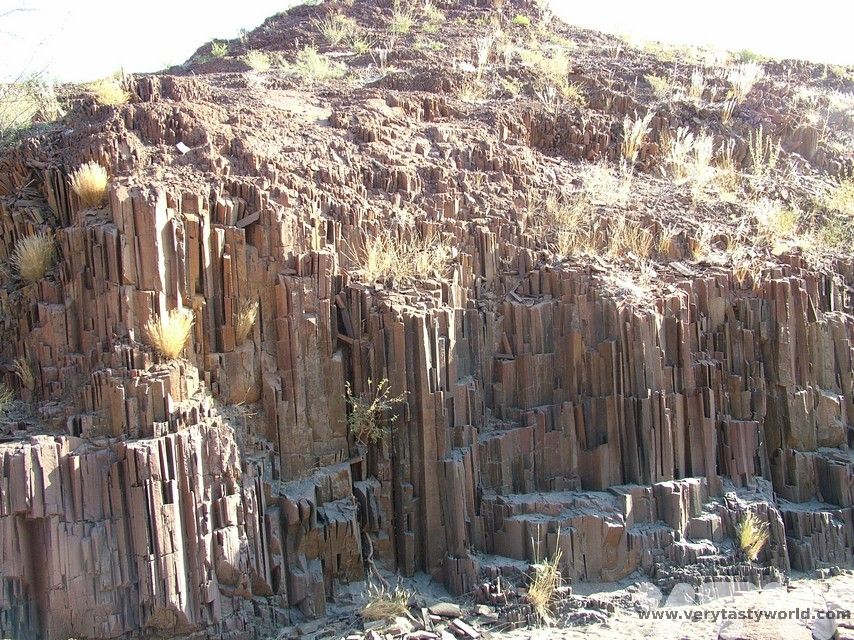
There are also some interesting geographical features such as the basalt ‘organ pipes’ and petrified forest – the trees here, frozen in time, are over 280 million years old.
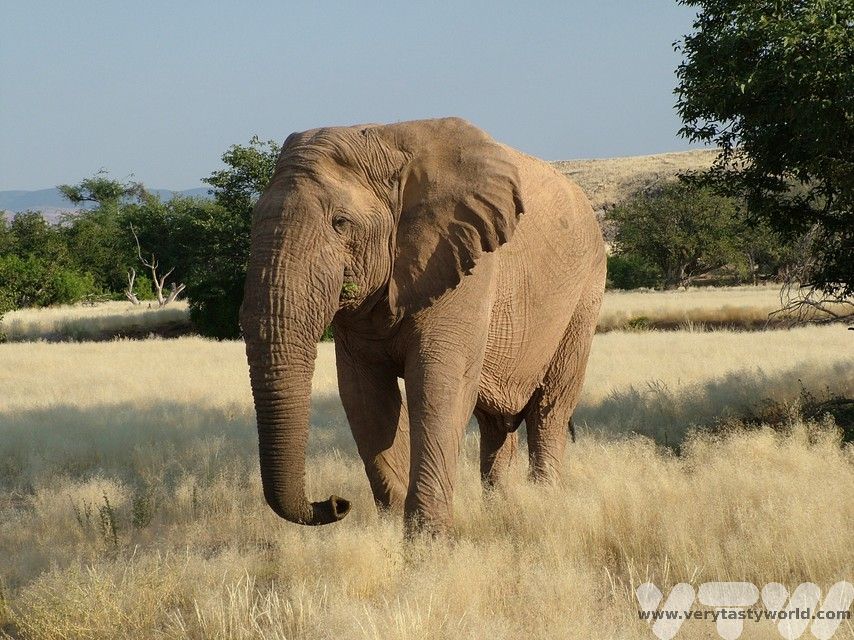
There is also plenty of game in the area and many of the lodges offer elephant excursions, whereby you can be taken out in a safari vehicle in search of these amazing creatures.
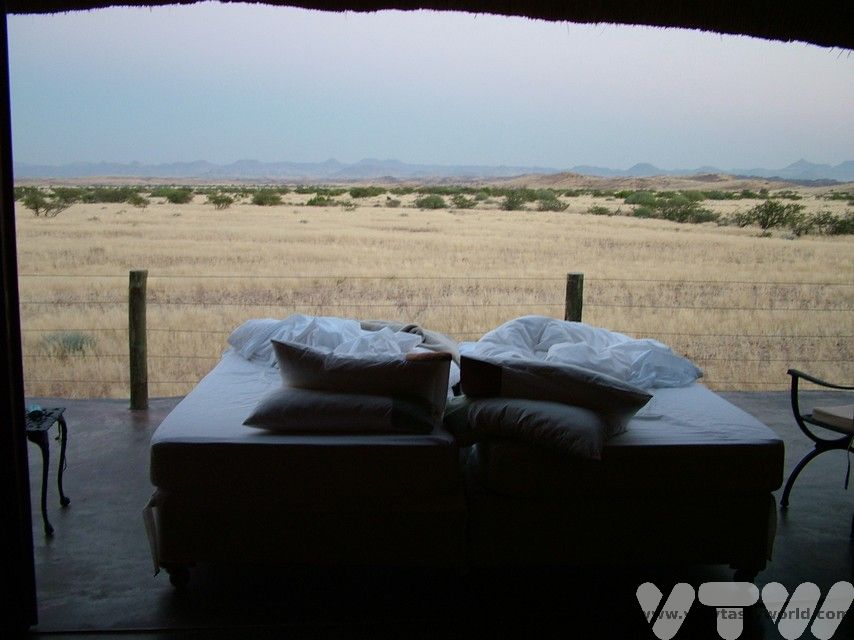
We loved staying at Doro Nawas – our room had a bed on wheels which we could roll out onto a veranda and sleep under the stars.
Day 10 to 12 – A Self-Drive Safari
Drive to Etosha National Park (~300km, 3.5 hours)
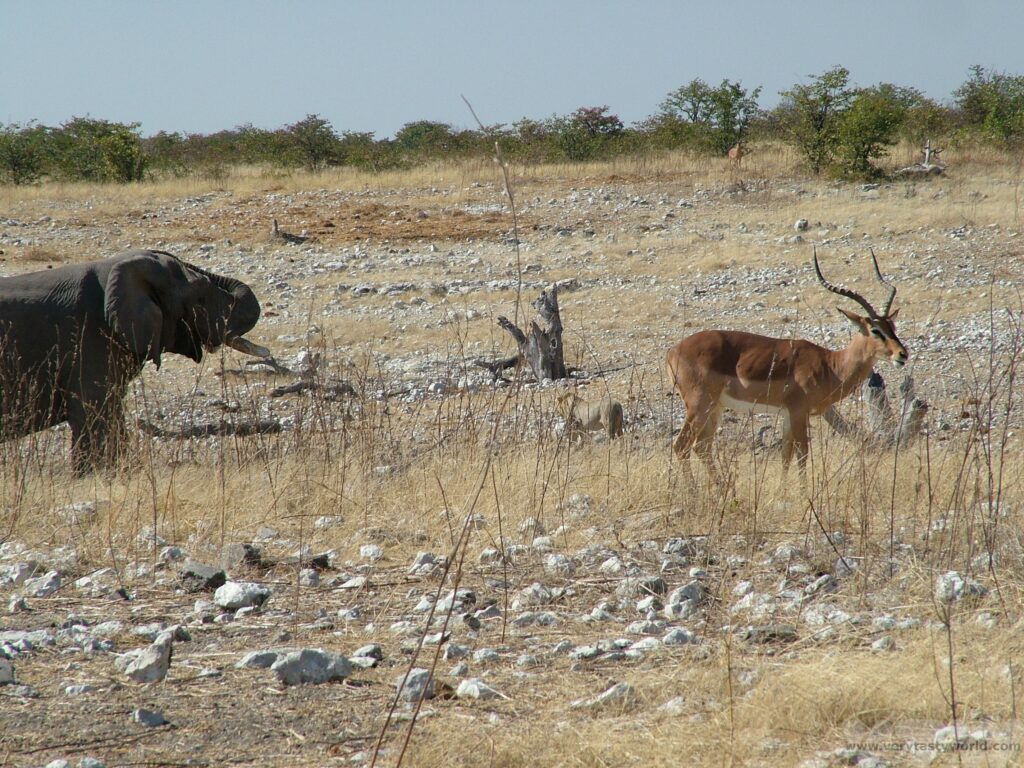
A highlight of any Namibia road trip, one of the best things about Etosha is that you can take yourself on safari! The roads in the park are easy to navigate and there are several watering holes where you can park up and watch the wildlife come to drink.
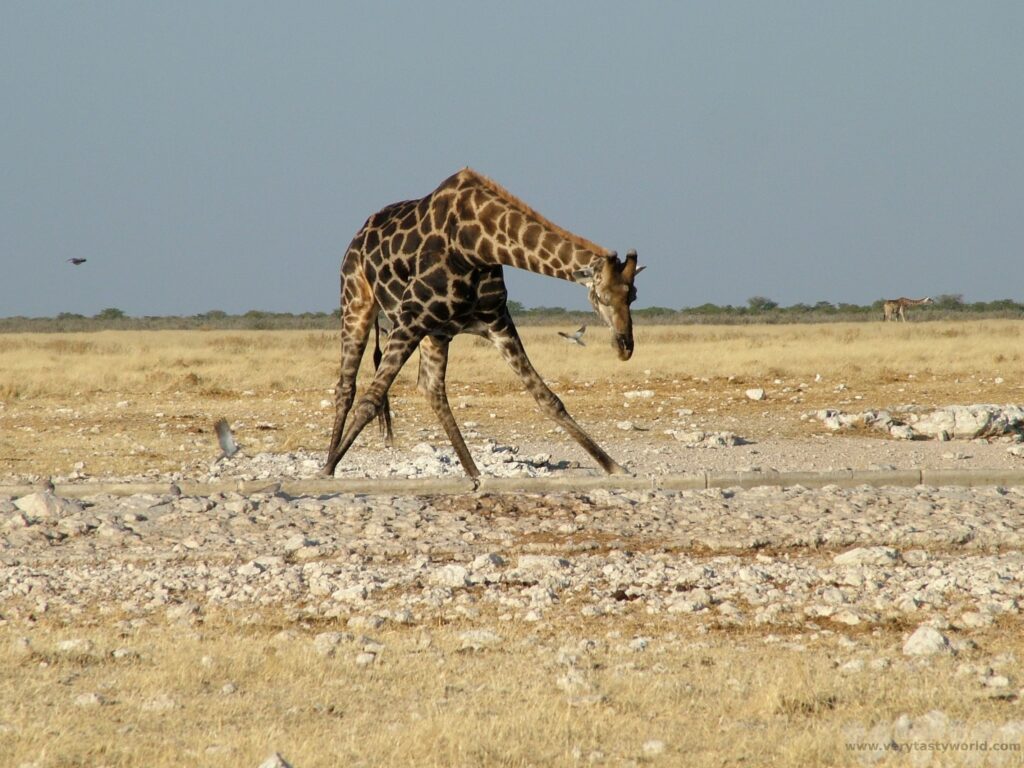
The park is home to four of the ‘Big Five’ game animals and it is possible to see elephant, lion, rhino and the elusive leopard, although you’ll be very lucky if you see a leopard. Buffalo are not resident in this area. Don’t forget to look out for the other animals – zebra and giraffe are can be found in good numbers – and also a plethora of birds and plentiful smaller animals.
On entry to the park you need to pay a fee per person and for the vehicle and you must show ID. Your passport will be fine.
We stayed at the Okaukuejo Rest Camp on a self-catering basis. We had a cottage to ourselves and there were shops where we could buy ingredients for our meals. The cottage also had a braai – an African barbeque. Okaukuejo has a floodlit watering hole where you can view wildlife coming to drink at night.
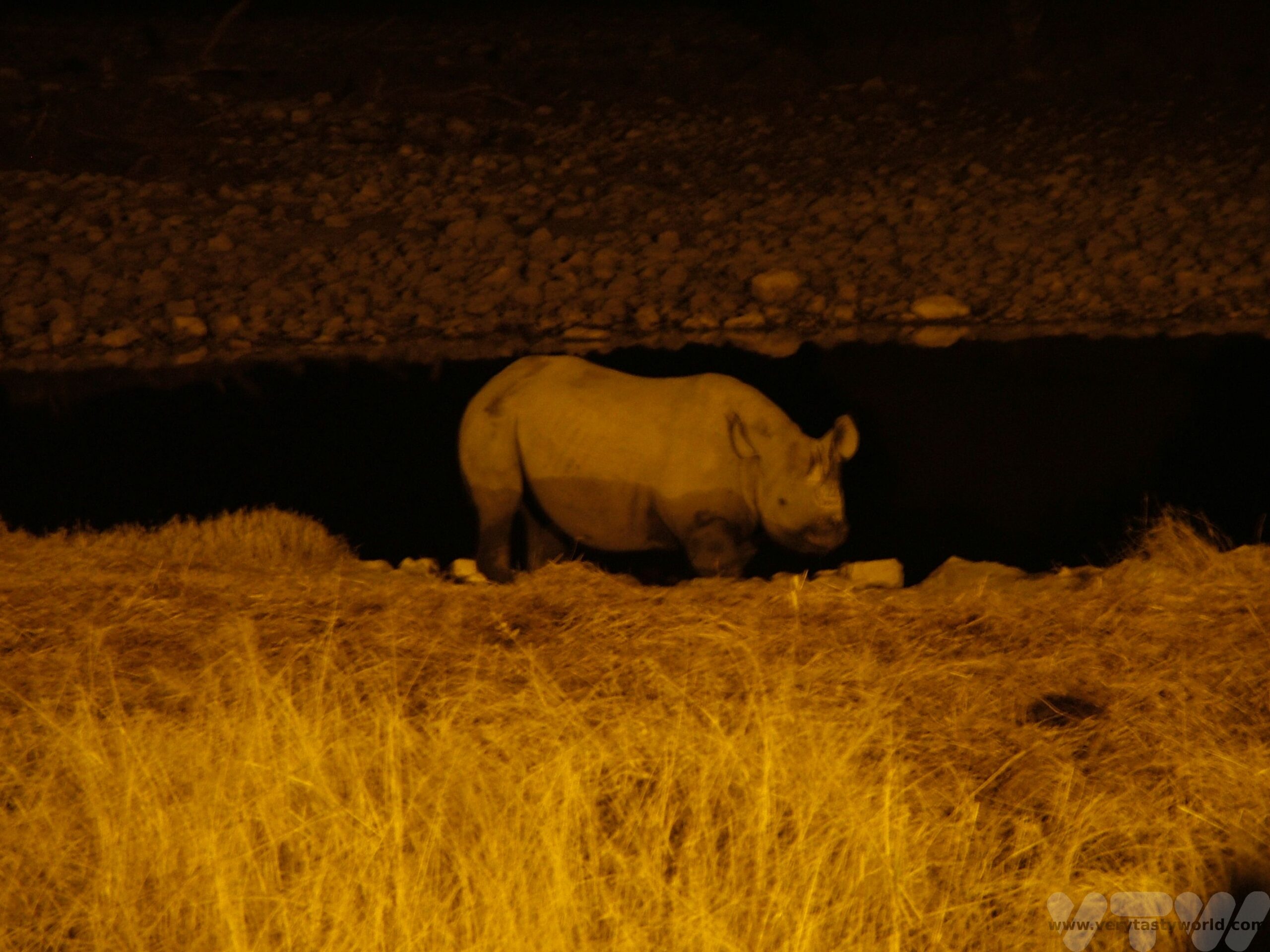
You can read further details in this post about our Etosha self-drive safari.
Day 13 – The Central Highlands of Namibia
Drive to the Central Highlands (~300km, 3.5 hours)
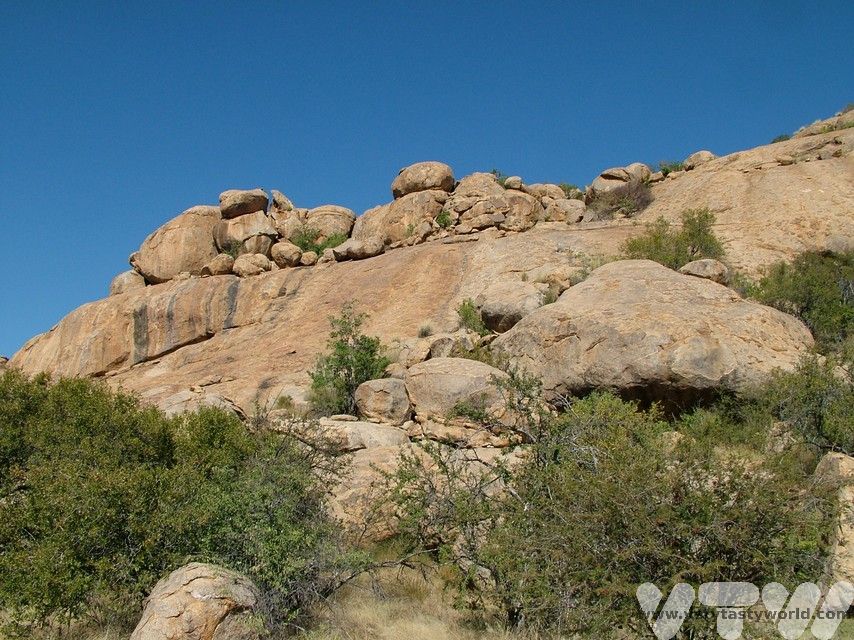
The central highlands separate the Namib Desert from the Kalahari and are a good stopping point between Etosha and Windhoek. There are plenty of activities here. Hiking is popular and many of the lodges in the area have trails or can offer guided walking safaris. There are also some locations in the Erongo Mountains with more rock art to discover.
The Okonjima Nature Reserve is a centre for rescued big cats run by the Africat Foundation. If big cats are your thing, consider a visit to see their amazing conservation work.
Day 14 -Back to Windhoek
Drive back to the capital (~300km, 3.5 hours)
And so this Namibia road trip must come to an end. You might want to take a break and stop at Okahandja, a centre famous for its traditional crafts, to indulge in a spot of shopping. This is also a good place to get your car washed at a local garage before returning it to the rental centre.
Namibia For Foodies
Food in Namibia can be quite meat heavy, although many tourist establishments will offer a variety of vegetarian food. Joe’s Beerhouse in Windhoek is a bit touristy, but if you want to try eating local game such as kudu or springbok, that is the place to go. It claims that the meat is sustainably sourced.
More adventurous travellers might like to try mopane worms – actually a type of caterpillar. They are juicy and surprisingly tasty. They are popular in Namibia, Botswana and Zimbabwe.
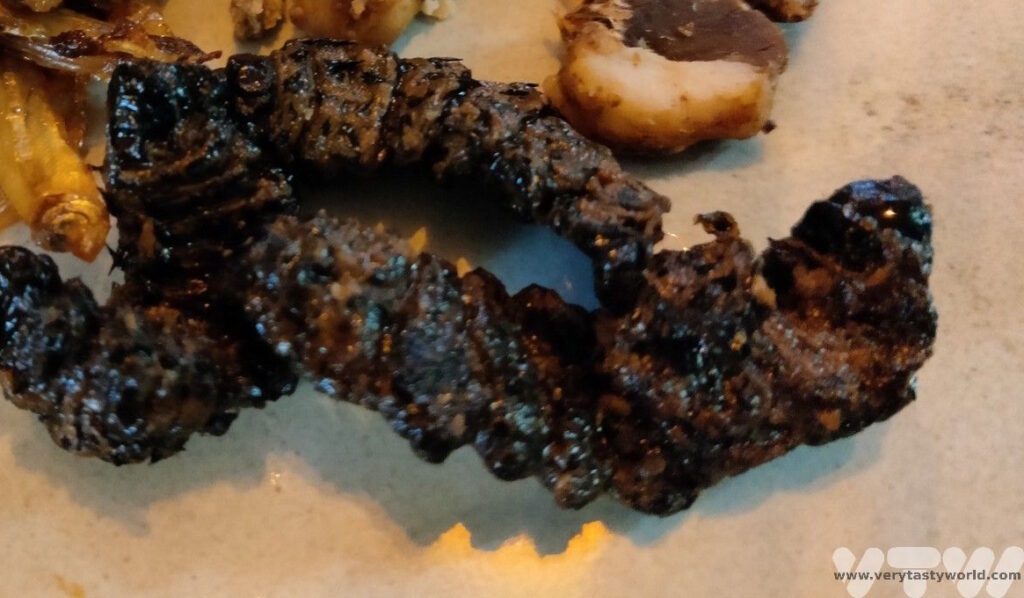
While visiting the coast, make sure to indulge in seafood straight from the Atlantic.
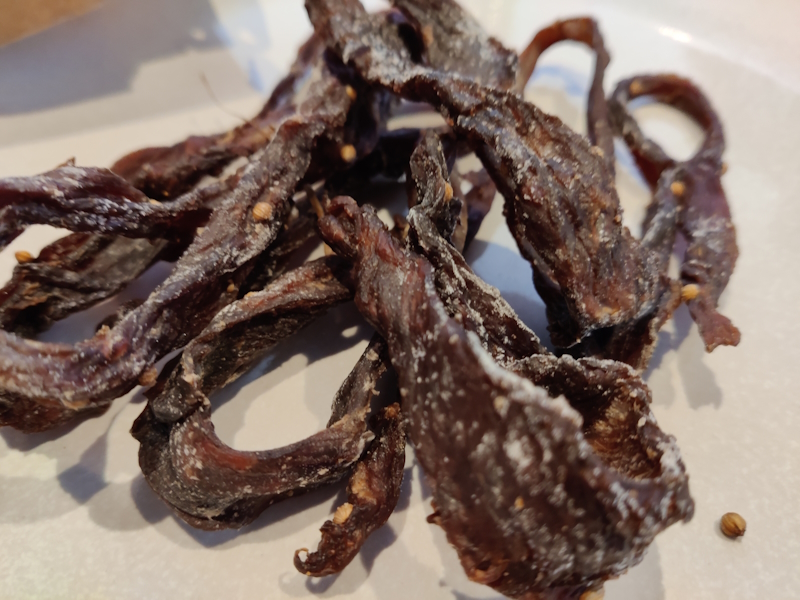
Don’t forget to stock up on snacks for your road trip. We made sure to take loads of biltong with us. Biltong is air-dried meat, a bit like jerky, but nice, that is, it’s not sweet.
Namibia Road Trip Final Thoughts
A road trip is a lovely way to travel through this remarkable country. The landscapes are spectacular, the wildlife plentiful and the activities are so much fun! Driving is largely easy and relaxing and offers maximum flexibility to explore Namibia’s delights.
Related Posts You May Enjoy





- A Namibia Road Trip – A Self-Drive Odyssey
- Adventures Off the Beaten Track: Things to Do in Mauritania
- The Food of Mauritania – Cuisine of the Desert

- How To Visit Victoria Falls

- A Thrilling Botswana Walking Safari in the Okavango Delta

- Andasibe Mantadia National Park Madagascar


Thanks so much for reading. We hope you enjoyed this article. If you’d like to keep up to date with new posts and recipes, please subscribe to our newsletter or follow us on social media – Bluesky, Facebook or Instagram. We always love hearing from you and would be delighted to read your thoughts about this article.