Setsubun Ehomaki – Bean Throwing Day
Feb 2nd is Setsubun in Japan. Which means that it’s mame maki, or bean throwing, day. Setsubun is one day before Risshun – the first day of spring in the lunar calendar. It’s not considered to be the official new year, which is celebrated on the 1st January, but rather a new start. There are various foodie activities associated with the festival, including setsubun ehomaki.
Traditionally people throw roasted soy beans (fuku mame) at home, with the shout of ‘oni wa so to’ (get out demons!) and ‘fuku wa uchi’ (come in happiness!) Sometimes the beans are just thrown out of the front door but they may also be thrown at a family member wearing an oni – demon – mask. If people eat the number of fuku mame that’s equal to their age it’s believed that they will be healthy and happy for the year ahead.
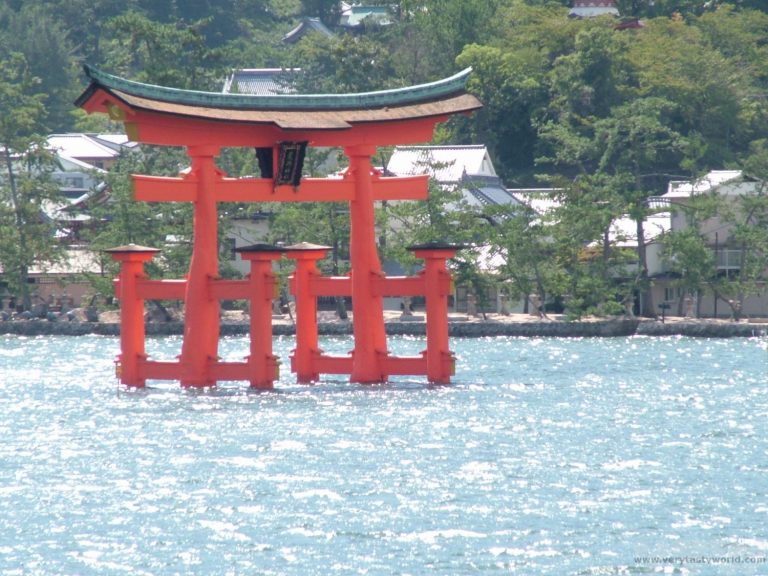
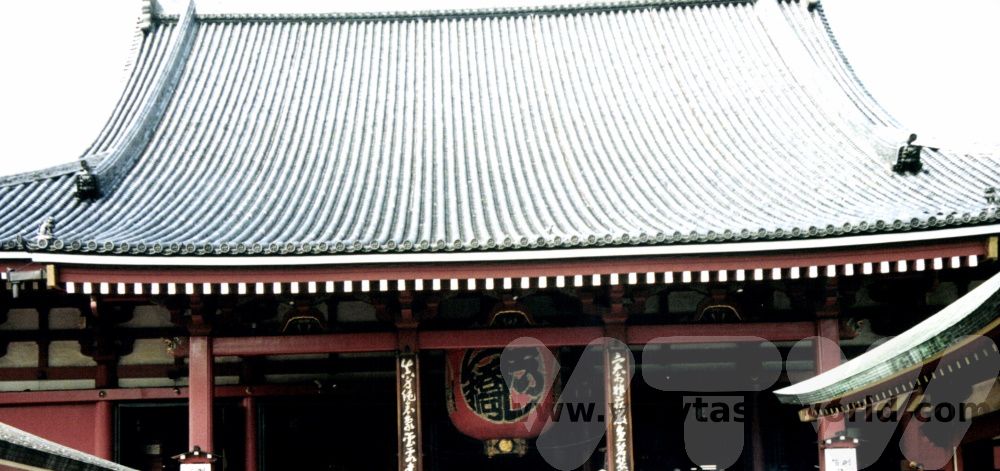
Bean throwing ceremonies also take place at shrines across Japan. The Senso-ji temple in Asakusa will have thousands of visitors arrive to take part. Celebrities and sometimes sumo wrestlers are known to turn up to some of the events.
Setsubun Ehomaki Tradition
Over the years a foodie setsubun tradition has developed. This is thought to have originated in the Kansai region, in Osaka (always a great place for foodies!) and has become more popular throughout Japan over the years.
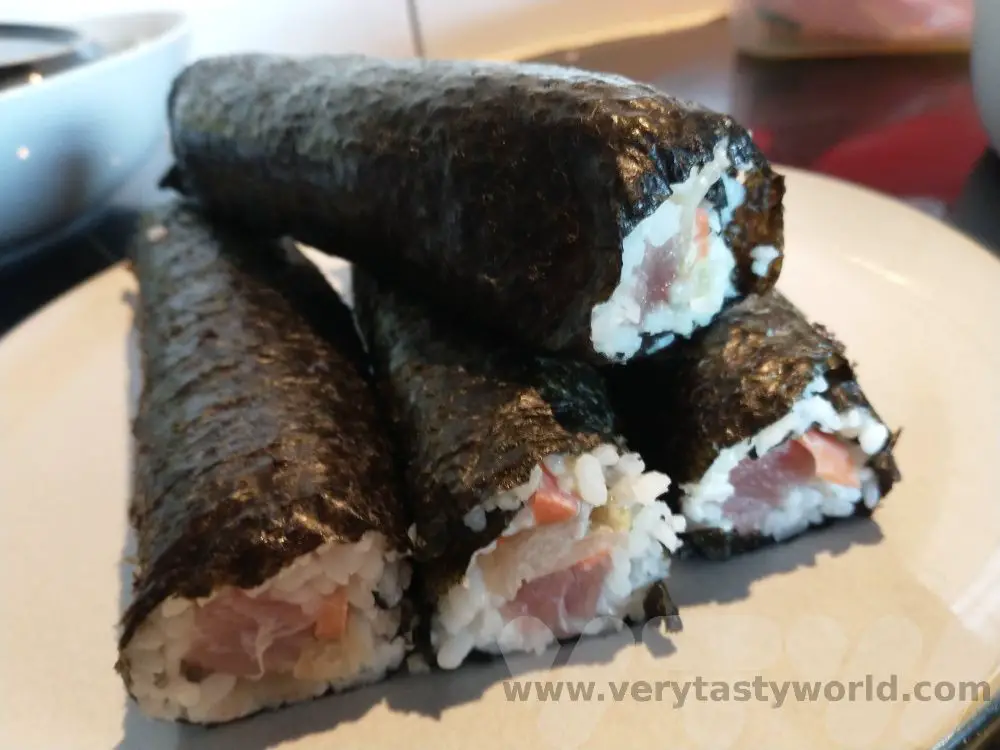
It involves eating ehomaki (good luck direction rolls) which are sushimaki rolls that haven’t been cut up. The idea is to eat the roll while facing in the lucky direction. You will need a compass because the direction is quite specific. 2026’s direction is south-southeast for maximum luck.
Ehomaki are quite easy to make – probably the easiest sushi. (When you try having a go at making sushi you realise that there’s a reason that chefs train for 10 years!) Traditionally ehomaki are filled with seven ingredients for luck.
There is no fixed rule as to which ingredients you use but eel, shrimp, crab sticks, cucumber, omelette and shiitake mushrooms are traditional. Vegetarian ehomaki is absolutely fine as well. Kanpyo is another traditional ingredient – it comprises strips of dried gourd rehydrated and simmered in soy sauce, sugar and mirin.
This year we used shrimp, mackerel, sweet omelette, carrot, cucumber, pickled radish and kanpyo.
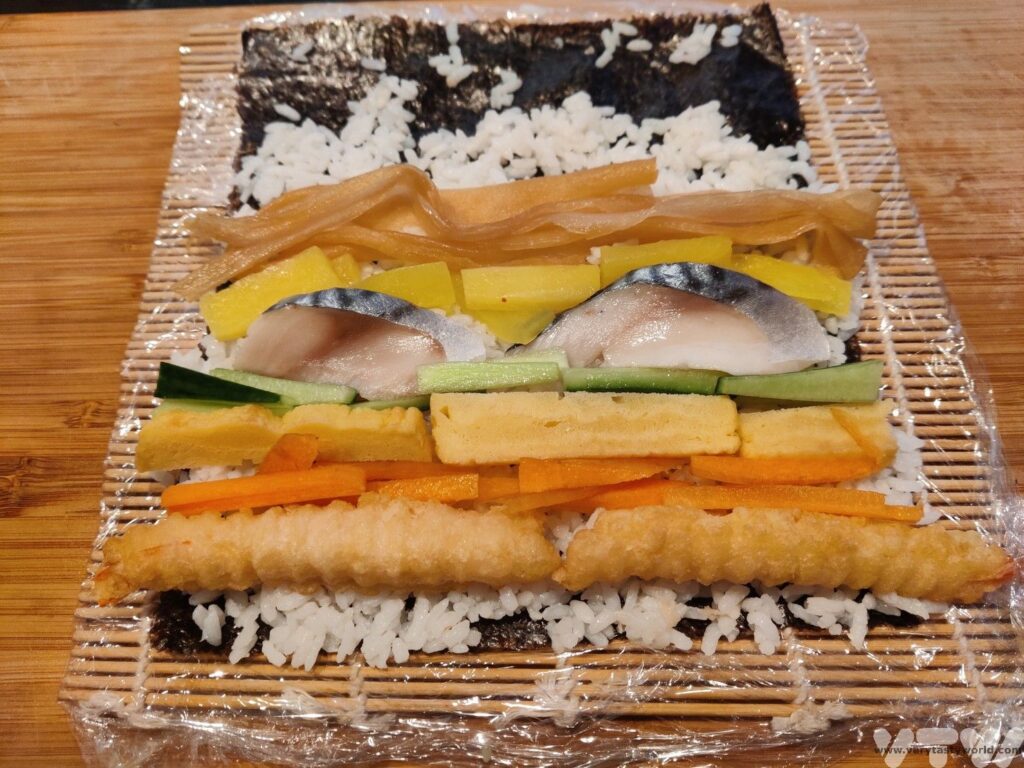
It is also important not to cut the ends off the rolls (it might curtail your luck) and you should eat your ehomaki in silence.
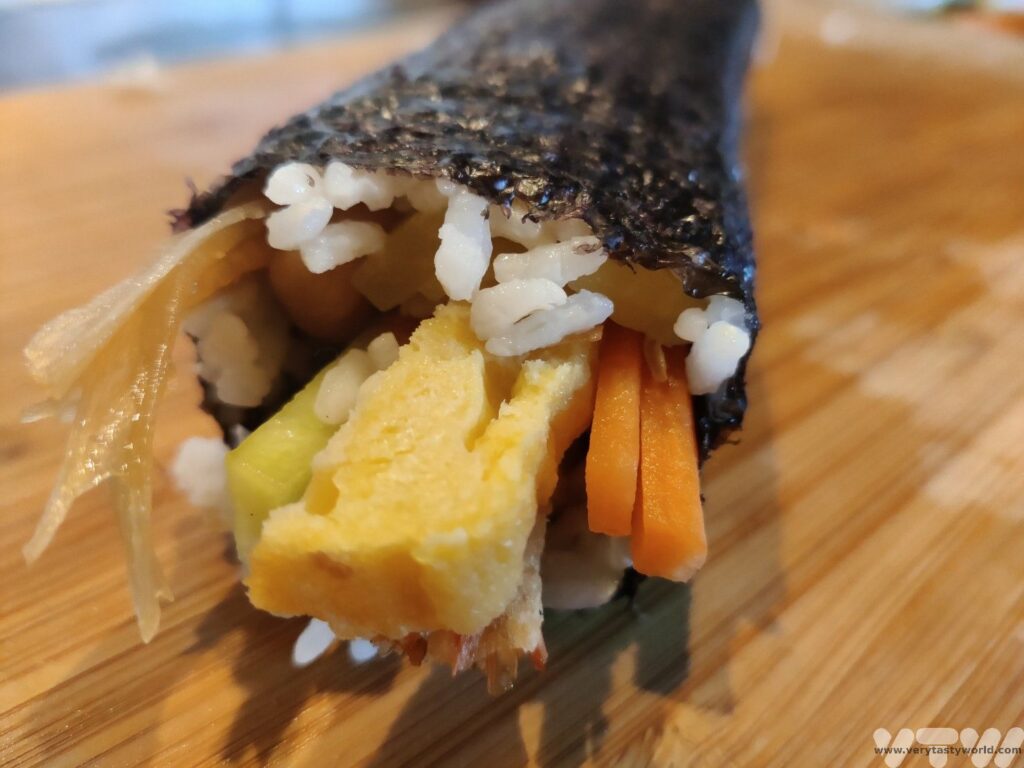
Happy Setsubun!
Related Posts You May Enjoy

- Just for the Hell of It – The Hells of Beppu

- Five Wonderful Places to Visit From Tokyo

- Amazing Japanese Black Sesame Pudding Recipe

- How To Say Thank You For The Food in Japanese

- What To Know Before Visiting Japan
- Where To See Snow Monkeys In Japan

- Is Kanazawa Worth Visiting?

- RECIPE: How to Make Sushi Ginger – Gari

- Kobe Beef in Kobe – Is It Worth It?


- Scrumptious Selections: Smorrebrod Sandwiches
- Amazing Japanese Black Sesame Pudding Recipe
- RECIPE: Tsvikli Beetroot Horseradish Relish

- RECIPE: How To Make Dakgalbi

- RECIPE: How to Make Sushi Ginger – Gari
- RECIPE: How To Make Elderflower Champagne

- Recipe: Simmered Shiitake Mushrooms
- RECIPE Oyakodon Donburi

- Zero Waste Recipes Before Your Holiday