

Things To Do in San Cristobal de las Casas
San Cristobal de las Casas is a highland town located in the southern Mexican state of Chiapas. It’s a lovely, colourful place nestled in the hills of this beautiful area. There are plenty of sights to see and plenty of interesting excursions in the surrounding area. Here is our guide for things to do in San Cristobal de las Casas.

Please note that this post contains affiliate links. If you click through and decide to make a purchase we will make a small commission, at no extra cost to you, which will help towards the costs of running this site. Thanks for your support!
Why Visit San Cristobal de las Casas?
San Cristobal was one of the most interesting places we visited on our tour of Mexico because we were able to visit indigenous villages in the area and learn about the culture and heritage of the Mayan Tsotsil people. The Tsotsil have their own time zone, calendar, language and customs, and live in a very close-knit society.
How To Get to San Cristobal de las Casas
We were travelling through Mexico on buses and had travelled from Oaxaca on a night bus, which took 12 hours. It takes around 13 and a half hours to reach San Cristobal from Mexico City. If travelling from the Yucatan, it takes a similar time from Cancun. Even Palenque, which is relatively close as the crow flies (and was our next destination), is an 8 hour journey because the commercial buses avoid using the mountain road. Bus journey times can vary depending on road conditions and – sometimes – roadblocks.
If you are flying in from other Mexican cities, the closest airport is Tuxtla Gutiérrez Airport. From here you can take buses, colectivos or taxis to the city and it takes around 1.5 hours to drive there. Colectivos are a cheap way to travel – they follow a set route, don’t have a particular schedule and everyone just piles into the vehicle.
We stayed at Casa Mexicana 28 de Agosto No. 1, a delightfully pretty hotel with a lovely courtyard. Not only did we receive a warm welcome, they let us check in at 9am which meant we could get a shower and a short nap after our night journey. And they served a cracking brekkie.
So, getting to San Cristobal is a bit of an effort, but it is very worthwhile.
Things To Do in San Cristobal de las Casas Town
San Cristobal is set in a valley surrounded by pine forests. The town of San Cristobal is quite compact so it is easy to walk around.
The zocalo is right in the centre of town. It’s a small square where people meet to socialise and relax. Sometimes musicians will play in the band stand.

Museo de San Cristóbal MUSAC – Palacio de Gobierno is a grand building just to the west of the zocalo, which houses art exhibitions on the ground floor.


There are a number of churches all over town. Located in the main square, the Cathedral of San Cristobal de Las Casas was constructed around 1528.

Templo de San Nicolás is behind the main cathedral and was one of the first in the area to serve the indigenous people. There are lots of other churches in town and most are open to visitors.


The charming Iglesia de San Cristóbalito is located at the top of a hill. You can climb a slightly breathtaking zig-zag of 280 steps to reach it.

But don’t forget to turn around to get a view across the city.

Slightly out of town , heading north on Gran M. Utrilla, is the Mayan Medicine Centre which has a range of exhibits about traditional medicine (and some fairly disturbing mannequins).


It was very interesting to learn about how the Mayan people used natural resources – plants and animals – for healing particular ailments.


Mayan World Textile Centre is housed in a former convent and showcases beautiful textiles from Mexico and Guatemala.
The Mesoamerican Jade Museum has exhibits explaining the importance of jade in Mesoamerican culture.
Day Trip To Visit Indigenous Villages
One of the primary reasons to travel to this area is to visit the nearby indigenous villages, the heart of Tsotsil culture. The Chamulans have proudly kept their traditions alive, and visiting local villages is a fantastic way of discovering their heritage, culture and religion. Visitors are welcome but are expected to behave with respect. It is especially important only to take photos where permitted and particularly to ask permission if you wish to take photos of people.
We recommend a taking a tour from San Cristobal – we joined a bunch of international visitors and were driven in a minibus. Importantly, we had a local guide who was able to explain about the culture and traditions of the towns we visited.
San Juan Chamula
Our first visit was to the town of San Juan Chamula. We parked on the outskirts of the town and walked into the centre, passing by the old church in the fields.

We were visiting just before Mexico’s Day of the Dead festival and local families were preparing for this by tending the graves of their deceased relatives. They pile earth over the graves and cover them with pine needles and marigolds.


The colour of the crosses indicates the age of the person who died. Only family members tend the graves. Some actually exhume their loved ones and will clean their bones for three years after their relative’s death.
Moving into the town centre we explored the town buildings and marketplace. Our guide told us about the society. It is a very close-knit and closed community, run by the people for the people. The town is self-governing and public positions are held by volunteers. You can tell the policemen because they wear sheep’s wool ponchos. They carry radios to inform each other about any crimes so that they can catch perpetrators quickly.
We saw the local prison – when men are incarcerated their cell is an open room with bars – the point is to humiliate them for the crime committed. (Female criminals are afforded privacy for their safety.) Anyone who transgresses the rules is expelled. In the past, lynches have happened for really serious offences.
A Most Remarkable Church
We visited the church the Iglesia de San Juan Chamula. This is undoubtedly one of the most unusual and fascinating churches we have ever seen. The Tsotsil religion blends both traditional indigenous beliefs with Catholicism. Visitors are allowed inside but any photography is strictly prohibited – there are signs at the entrance indicating that you will receive a hefty fine if you take photos.

The church floor is covered with pine needles and the walls are adorned with pictures of Catholic saints. People light candles and kneel on the floor to pray. The candle colours reflect the colours of sweetcorn – white, red, black and yellow – which all have specific meanings, and the number of candles lit is also significant.
There was music in the air – we heard music that we associate with Christmas carols, as well as traditional music, played on a harp, accordion and drums.
The local people come here to pray. There is a shaman in the church who will help people to deal with their problems by undertaking rituals. One of these rituals might include rubbing the person with a chicken that they have brought in, in order to pass the problems to the chicken. Then they will strangle it (the chicken’s throat would not be cut because there should never be blood shed inside the church) and the problem is eliminated for good. Local people become shamen when they dream about becoming one – the calling comes to them in a vision.
Visiting the Spiritual Leaders
We were also invited to the house of one of the town’s spiritual leaders. The leaders are not only volunteers, they actually pay to rent a location where they take responsibility for and tend to the shrine of a saint. They will do this for a year.
We sat in the room and the leader told us about their responsibilities, as we listened to the electronic sounds of Christmas carols and were invited to enjoy a drink of posh, a sugar cane liquor, flavoured with rosemary.
The Mayan calendar is unique. It comprises 18 months of 20 days and the fourth month has 5 days.
Curiously, the cross was a symbol of Mayan culture before the Conquistadors arrived. It is green and has rounded ends, the four points represent cardinal points and the Ceiba, symbolic of a native tree of life.

Zinacantán
The next town we visited was Zinacantán. On our way through, we passed by many greenhouses which grow flowers, one of the main exports for the area.
The church in Zinacantán is much more conventional but is also more beholden to the Catholic church. Photography was allowed here.

We loved the church grounds. Not sure if this bat is a regular feature or was there for the Day of the Dead but he was fabulous!

We were also invited to a local home to see demonstrations of traditional crafts, including weaving and cooking.


This was the perfect location to buy souvenirs – the woven products are perfect for packing into your bags, are great quality and excellent value.
We were also offered tamales and tacos cooked on a traditional fire. The tacos were filled with pumpkin seed powder and was absolutely delicious.
(Note to self – never throw away pumpkin seeds again. Roast them, crush them and eat them.)


Other Excursions
Depending on how much time you have in the area, there are other excursions. The surrounding countryside is absolutely beautiful and you can enjoy a day trip to the Sumidero Canyon (Cañon del Sumidero) and Chiflón Waterfalls (Cascada El Chiflón).
San Cristobal for Foodies
Throughout our trip to Mexico we enjoyed local culinary delights. Bread soup is a traditional dish here. It’s a filling bowl of comforting soup that was surprisingly sweet and not at all spicy.

Chiles en nogada is a poblano chilli stuffed with meat and aromatic spices, topped with a walnut cream sauce and garnished with pomegranate and parsley.


A Chiapas pollo en mole is chicken in a mole sauce (above) and asado coleto is a Chiapas roast pork with ancho chilli pepper and cinnamon (left) were also delicious.
Achiote Cochinita Pibil, on C. Niños Heroes 10, is the place to get pulled pork. It’s a tiny hole-in-the-wall restaurant and pulled pork is what they serve. In fact, it’s all they serve, but in a variety of different, and very delicious, ways.


Posh is the local tipple. It’s sugar cane ‘rum’ which is quite strong at about 45% ABV. The local restaurants offered us a free shot so that we could try it.
There are also plenty of bars in town where you can enjoy a cool, refreshing beer.
Final Thoughts
San Cristobal may be an effort to reach but it is a truly fascinating place to visit. You won’t see a show for tourists here. It is a privilege to be able to visit communities which do welcome visitors but also fiercely protect their culture and their heritage.
Related Posts You May Enjoy
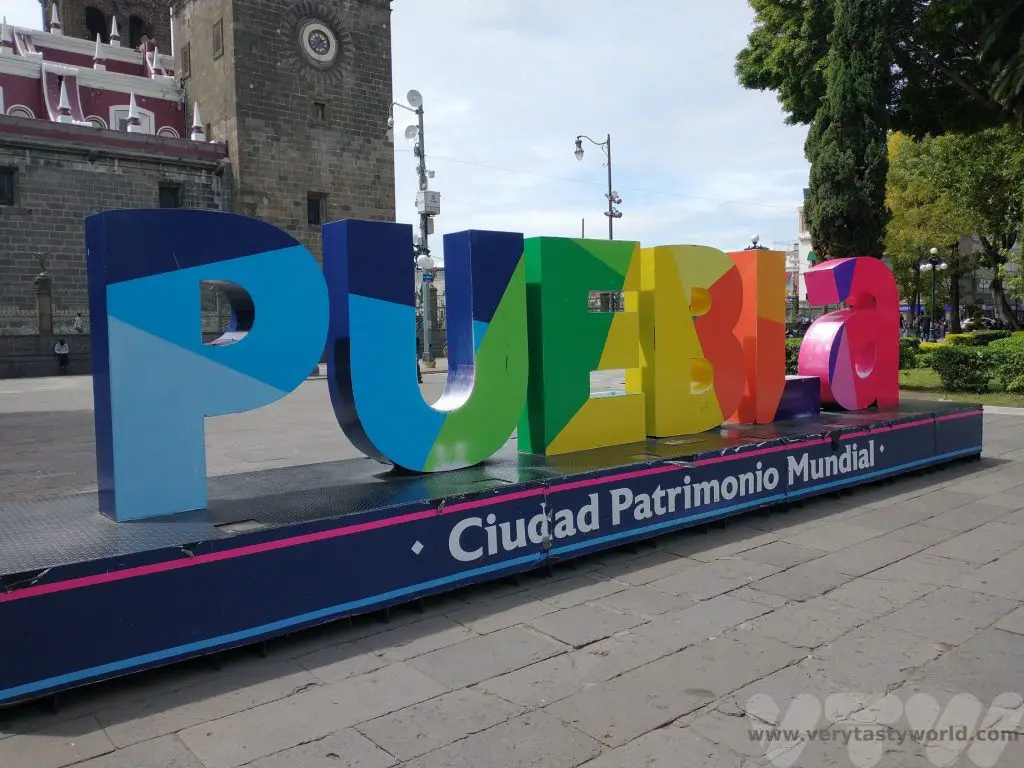


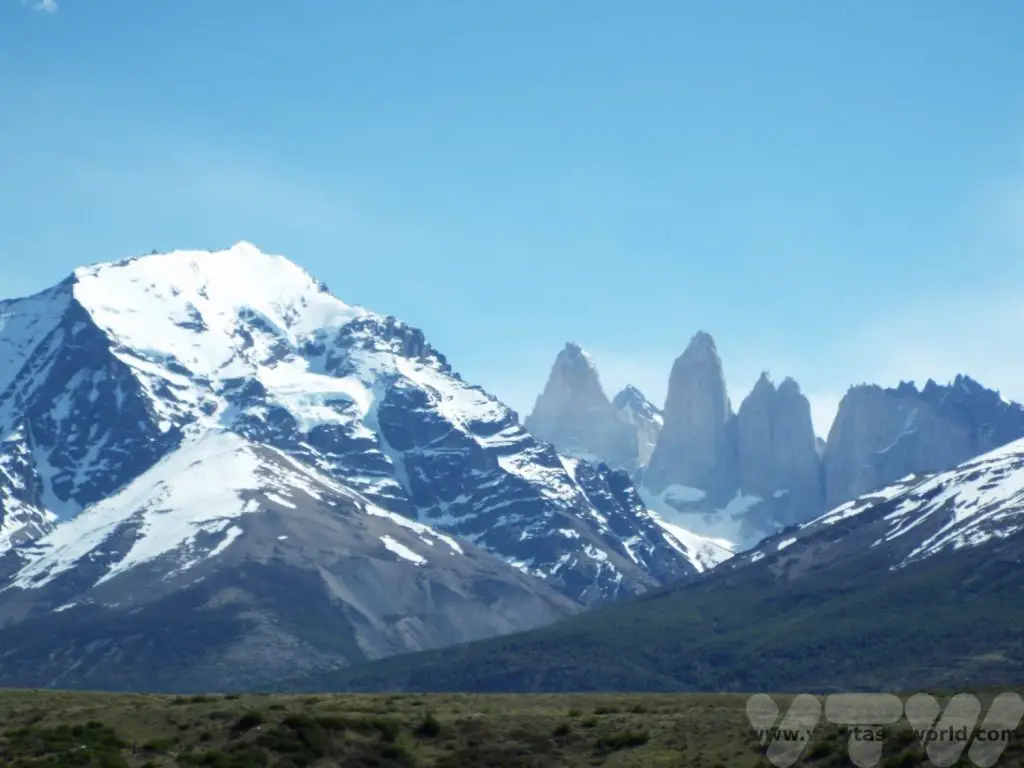

- Things to Know Before Visiting Mexico
- A Grand Nova Scotia Itinerary

- The De-light-ful Lighthouses of Nova Scotia

- Discovering the Culture & Heritage of Amerindian Food In Guyana

- A Mexico Travel Itinerary – Exploring Culture, Cenotes and Cuisine

- Things To Do in San Cristobal de las Casas

- Lobster Dinner in Nova Scotia

- Rivers and Rainforests – A Guyana Itinerary

- Best Time To Visit Machu Picchu 2024 Update

Thanks so much for reading. We hope you enjoyed this article. If you’d like to keep up to date with new posts and recipes, please subscribe to our newsletter or follow us on social media – Bluesky, Facebook or Instagram. We always love hearing from you and would be delighted to read your thoughts about this article.


What a really cool place to visit. It must have been interesting to be there for Day of the Dead preparations. Watching them make crafts in the home would be fascinating and I hope you were able to buy some for souvenirs. Talk about a unique memory!
The best and most memorable places are the ones that are hard to reach. I therefore read your post with great interest and learning more about San Cristobal in Mexico. The art work at the MUSAC is exceptional and right up my street. Your day trip to the indigenous villages and experiencing the Day of the Death festivities sound atmospheric and must have created a strong connection to this area. I take it you would come back here in a heartbeat? You also got the chance to be invited by locals and see how they carry on local weaving traditions which is really cool. I hope you brought back some textiles (I am not 100% sure if they are short rugs or even scarves?).
Carolin | Solo Travel Story
San Cristobal looks fantastic, and in some photos almost like you had the place to yourselves. The buildings and everything are all very colorful and I really like that you took a tour to see more traditional things around the city. The fact it is not super easy to get to makes me want to visit even more, less tourists and a more authentic experience. The food looks delicious, also making a note for the pumpkin seeds
San Cristobal looks like a great place to explore and is well worth the effort to get there. I like that you can explore the Indigenous culture. I noted how the local people used the trappings of the Catholic religion to continue their own practices, similar to what I have seen in South American countries. Mexican cuisine is always tasty and your photos had me drooling!
Some really gorgeous photos you were able to take on this excursion, especially of the architecture. The bat carving into the grass was cool to see! While it is remote, it doesn’t feel like it’s isolated, just feels like it’s their own culture and community and it seems to work well for them. Maybe I have a different view of Mexican food (I have had authentic Mexican) but the tacos and gordita look quite different and delicious, would definitely try it!
San Cris was one of the cities that surprised me the most, in more traditional Mexico.
It’s a vibrant city, full of indigenous culture and fabulous places to visit.
Sa Juan Chamula is a must-see when visiting San Cristobal. It’s a unique place in the world… so unique that it has its own laws!
Zinacantán is a reflection of the mix between traditional culture and the modernity of the world. It’s where I ate the best tortillas!
Awesome photos. Very serene and peaceful looking.
That’s one next stop for me whenever I came around. Thanks for putting them out here