
Things to Know Before Visiting Mexico
Another in our ‘know before you go’ series – everything you need to know about a country before you visit to make your trip go smoothly. These handy tips are based on our personal experience of travelling in Mexico. And, of course, there’s a section on Mexican cuisine – one of the finest in the world. Read on to discover the things to know before visiting Mexico.
Please note that this post contains affiliate links. If you click through and decide to make a purchase we will make a small commission, at no extra cost to you, which will help towards the costs of running this site. Thanks for your support!
Why Visit Mexico?
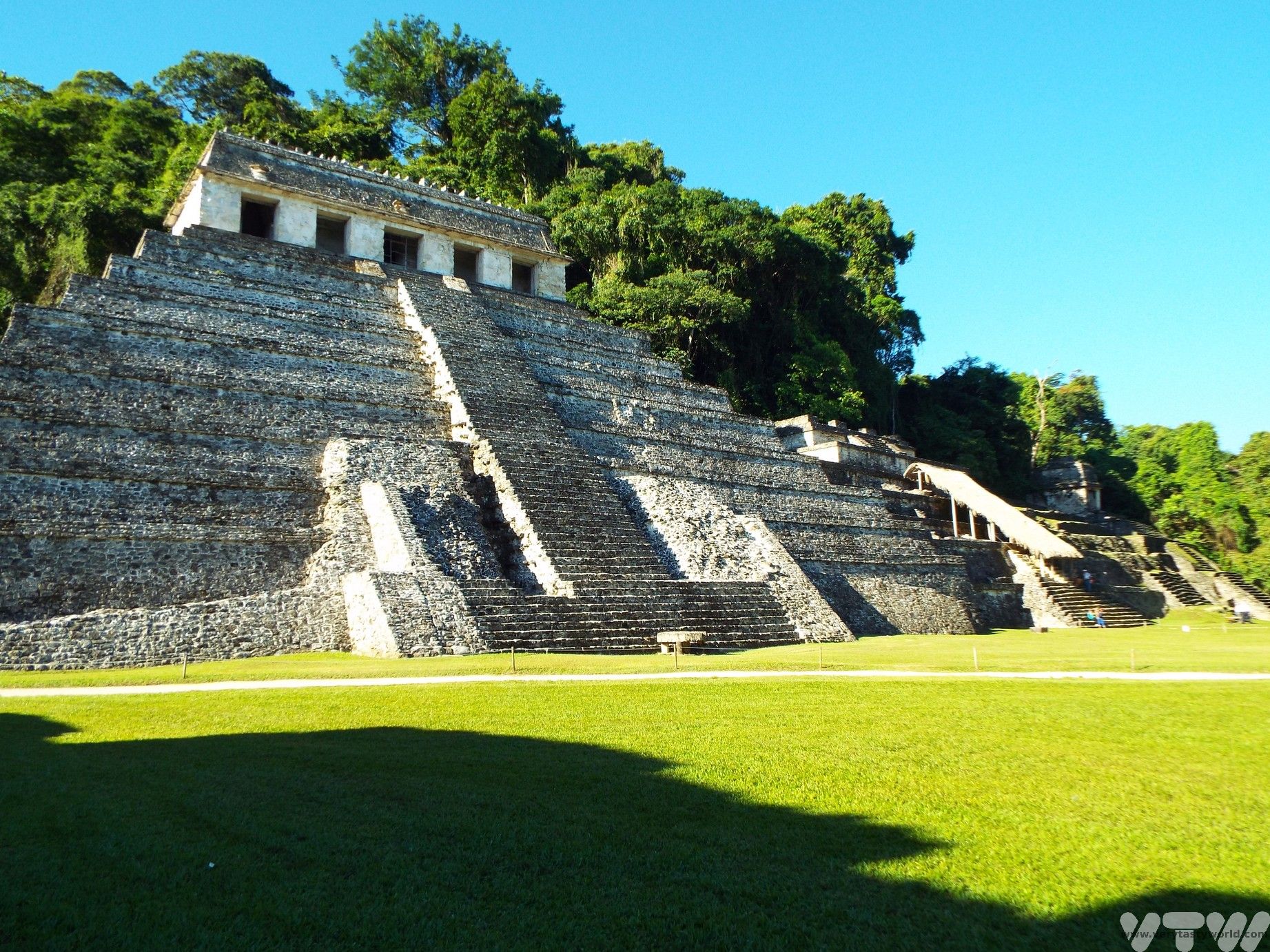
Mexico has such a diverse range of attractions, there is something for everyone to enjoy. It has a long and fascinating history, from the Aztec, Zapotec and Maya civilizations, to the colonial cities that developed after the arrival of the Conquistadors. Ancient sites such as Monte Albán, Chichen Itza (one of the seven wonders of the modern world) and Palenque are astonishing in scale.


Mexico City has so much culture and history to enjoy. Art lovers will enjoy the many galleries, partiularly those dedicated to Frida Khalo or Deigo Rivera. There are also plentiful museums and opportunities to discover Aztec history, even in the city centre, at the Museo del Templo Mayor.

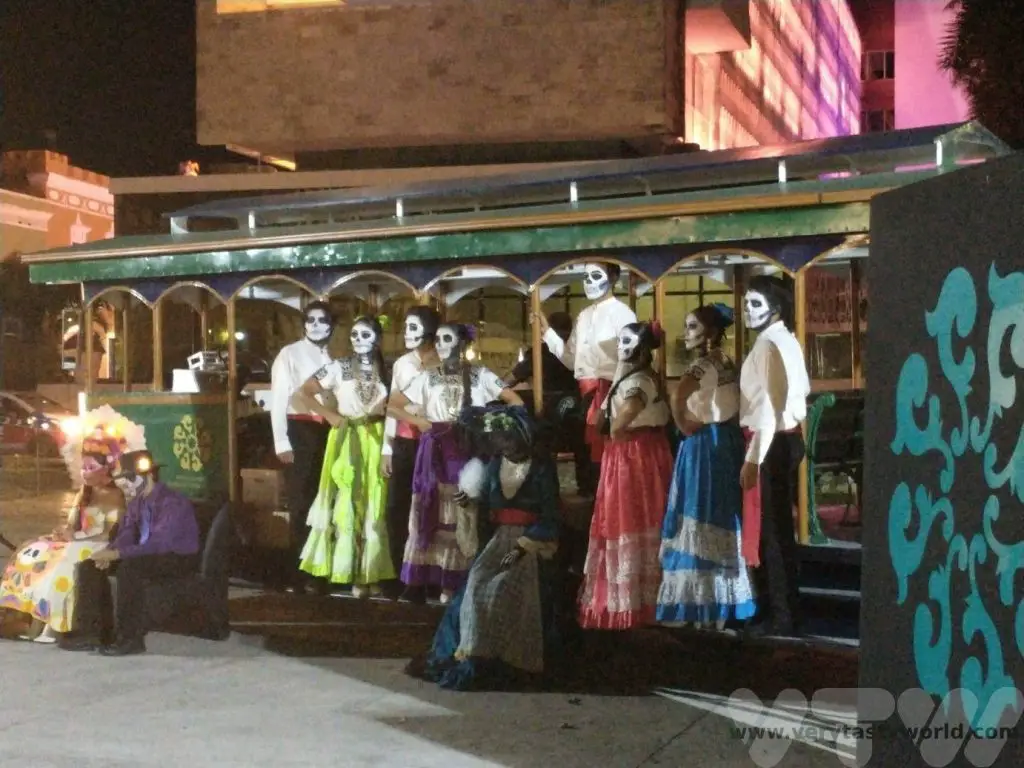
Mexico is the place to enjoy festivals, whether it’s local events in cities, or the amazing Day of the Dead celebrations.
Mexico is sports crazy with football, boxing and baseball being amongst the most popular. And who wouldn’t want to watch Lucha Libre – Mexican wrestling? Matches are popular in many towns and cities, and the Arena México in Mexico City hosts bouts several times a week. Audiences love booing and cheering the heroes and villains in a thoroughly entertaining night out.

If you’re after relaxing beach time, the resorts in Quintana Roo offer the perfect place to enjoy some R&R. Or you can go swimming in the multiple cenotes in the Yucatan – sinkholes filled with clear blue (or green) water.

There are still some areas of the country which fiercely protect their cultural heritage and you can visit indigenous villages to discover local traditions. The area around San Cristobal de la Casas in the state of Chiapas is fascinating.

Along with a friendly welcome and one of the best cuisines in the world, what’s not to love?
Getting There
Most people will fly into Mexico City or Cancun. There are an increasing number of direct flights from Europe these days. Visitors from the USA or central America may cross the land border.
Passports and Visa
Many nationalities can visit Mexico for 180 days without needing a visa. You can check the Mexican Government website to see whether you need to apply. If you are travelling by car from the USA, there is information about the formalities needed to cross the border.
In the Mexican state of Quintana Roo (Cancun, Isla Mujeres, Puerto Morelos, Playa del Carmen, Tulum) the state authority imposes a tourist tax called Visitax. You can pay it online or on departure. There is also a 30-50 peso environment tax in Quintana Roo.
Getting Around
Mexico City has a good metro system which is cheap to use at 5 Pesos per ride.
In terms of travelling between cities you can fly between many of the major locations but we used buses to get around. The buses are cheap and reliable, but journey times can be long. For some of the longer journeys we used overnight buses. Make sure you travel with your valuables and documentation with you (rather than putting it into your bags in the bus luggage compartment) as there are often checkpoints along the road and you may be required to produce ID.
Inter-city bus stations are sometimes located a little way out of town, so we caught taxis to the bus stations from our accommodation.

Taxis are generally cheap and the majority of taxi drivers were very honest. We had one incident in Merida where we were totally ripped off. So we recommend agreeing the price beforehand and knowing how to count in Spanish. Alternatively Uber is available in Mexico City and some other cities.
Colectivos are another way of getting around and are much cheaper. These are private vehicles which generally run a set route and have a fixed fare. You cram in with a bunch of other people and are taken to a specific destination on that colectivo’s route. Pay a fixed fee in cash at the end of the journey.
If you’re up for an adventure and want maximum flexibility, you can rent a car and self-drive.
If you are travelling to Quintana Roo there is no time change between summer and winter so there may be a time difference in winter if you are travelling into or out of Quintana Roo – you’ll need to add an hour if you are visiting and take an hour away if you are leaving this state.
Language
Spanish is spoken in Mexico. English is generally understood in hotels but not so much if you’re using public transportation. We recommend learning some Spanish before you visit – it’s a really useful language to know. Learning to count would also be helpful.
Money
The currency is the Mexican Peso. The symbol is the $. Most goods and services are priced in pesos but sometimes more touristy areas price their goods in US dollars. Pesos will have one line strike through the $, US dollar prices are usually marked with two line strikes.
You can usually buy pesos before you arrive in Mexico. ATMs are widely available but we recommend using machines that are located inside banks, rather than on the street, if you can. There is usually a charge for taking out cash.
Many hotels, restaurants and shops will accept credit cards but some will only accept cash. We found that most of the visitor attractions, such as art galleries and museums, would only accept cash for the entrance fee.
Tipping
Tipping isn’t mandatory but is appreciated. We tended to round up taxi fares. Tip restaurant staff around 10% for good service. If you are take a guided tour, $5 (US) per person would be a reasonable tip.
Electricity
Mexico operates a 237V electricity network running at 60 Hz. Plugs have two parallel flat pins.
Internet and Wi-Fi
You can get a SIM card that will cover Mexico (as well as the USA and Canada). We found that wifi was generally available in all the hotels we visited but not so much outside in the cities.
Can I Drink the Water?
No, Mexican tap water is not safe to drink. Bottled water is widely available. Many hotels provide drinking water in large containers, either in the lobby or in your room, so you can fill up your own water bottle.
Depending on where you are staying, you might not be able to flush toilet paper down the loo. This is because the plumbing system might not be able to cope with flushing paper without getting clogged up. If this is the case, there will be a bin next to the toilet – put your waste paper in there. The bin is usually emptied on a daily basis.
Culture and Etiquette
We found that Mexican people were really friendly and very helpful. There were so many occasions, particularly when using buses, that people went out of their way to look out for us or help us make sure we caught the right bus.
All our attempts at speaking Spanish were appreciated. We always made a point of greeting people – buenos dias, buenos tardes, buenos noches (depending on the time of day) before conversing. We had conversations (in bad Spanish) with loads of people in zocalos, or we just got chatting as we explored cities. And it’s polite to say goodbye as well.

As always, treating people with respect is important when visiting any country. Mexican people are delighted when you show appreciation of their cuisine – and it is not difficult to show appreciation because Mexican food is so delicious!
Safety
Mexico has a reputation for not being a safe country to visit but we didn’t feel unsafe at any time during our visit. However, it’s important to be aware that some regions are safer then others, that incidents can happen and the political situation can change quickly.
We always recommend checking your country’s government guidance about visiting Mexico, especially noting which regions are the safest.
We suggest using the basic safety principles that you would use the world over. Do not display signs of wealth such as wearing expensive jewellery or flashing your tech. We recommend keeping your valuables in the hotel safe if there is one. We made copies of our passports and carried those with us, keeping our actual passports at the hotel.
Keep an eye on your luggage at bus stations. Make sure your bags are locked. When you put your bags in the hold of the bus, you should get a receipt which you will use at your destination to retrieve your luggage. But keep any valuables and your ID with you on the bus.
We did come across some scammers in Mexico City. A woman and children approached us to ask whether we could participate in their school project answering questions about where we were from. The ‘mother’ started videoing us, which felt uncomfortable, and we quickly realised that the questions were designed to reveal a lot of personal data. So we started lying about our details and declined to give our mobile number and email address. Then politely said we had to move on. We didn’t feel unsafe, but it’s an example of needing to be vigilant.
If you are taking a taxi, agree a price before you travel.
Foodie Favourites
Where do we start with the glories of Mexican food? It is one of the most interesting and diverse cuisines on the planet – we guarantee the most delectable journey. Indeed UNESCO have recognised traditional Mexican cuisine as an Intangible Cultural Heritage of Humanity. Many ingredients that are known internationally, such as chillies, chocolate and vanilla, originated in Mexico. Here is an overview of some of the essentials – but there are many, many more.
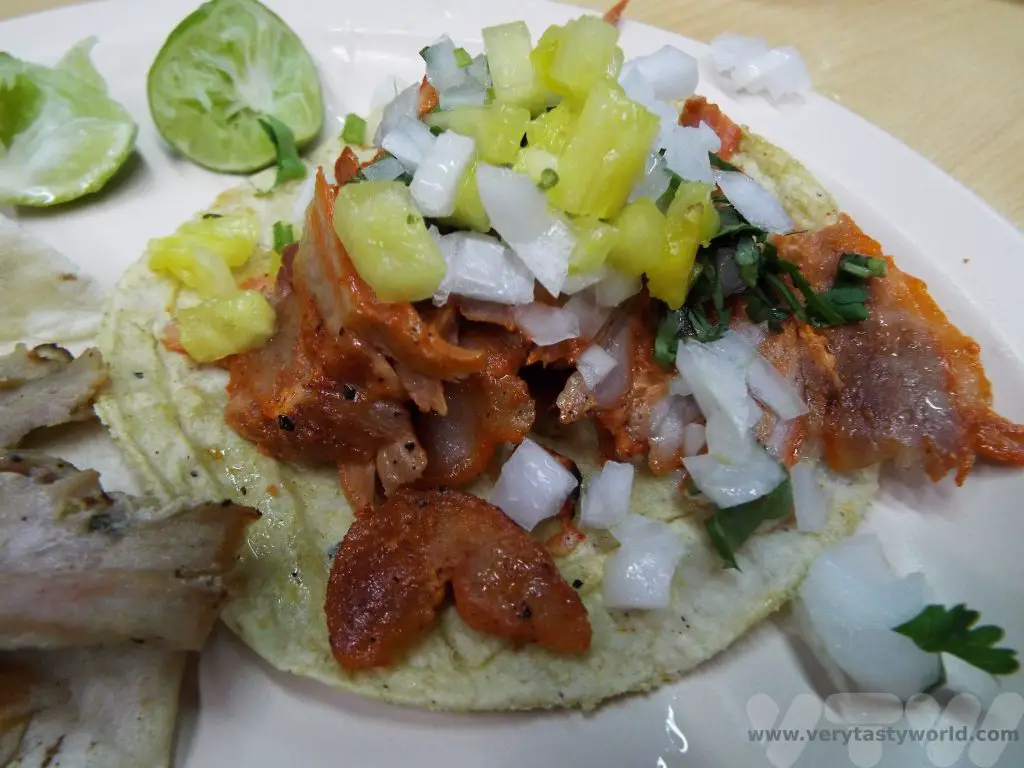
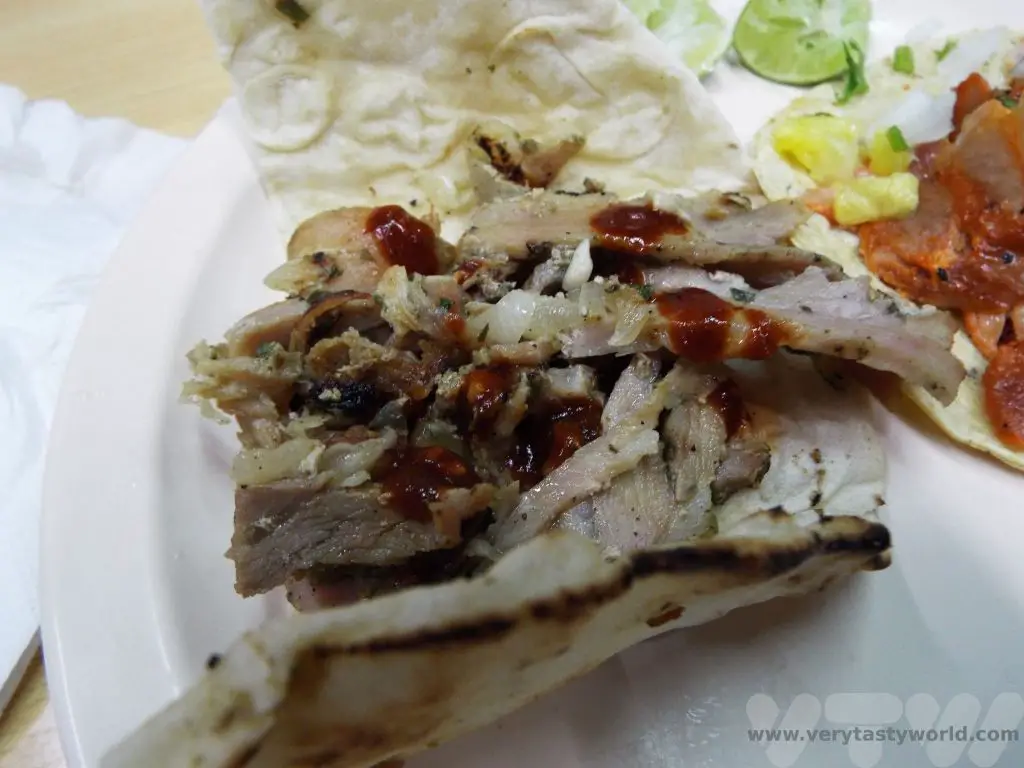
Tacos are quintessential Mexican food but actually they are a fusion food, imported from the Lebanese community who emigrated to Mexico in the late 19th century. They evolved in order to adapt to Mexican tastes, so that pork became popular. Of course, the tacos are embellished with additional flavours to add to their sumptuous flavours. Taco al pastor and taco Arabe are the two main varieties. Both are delicious.
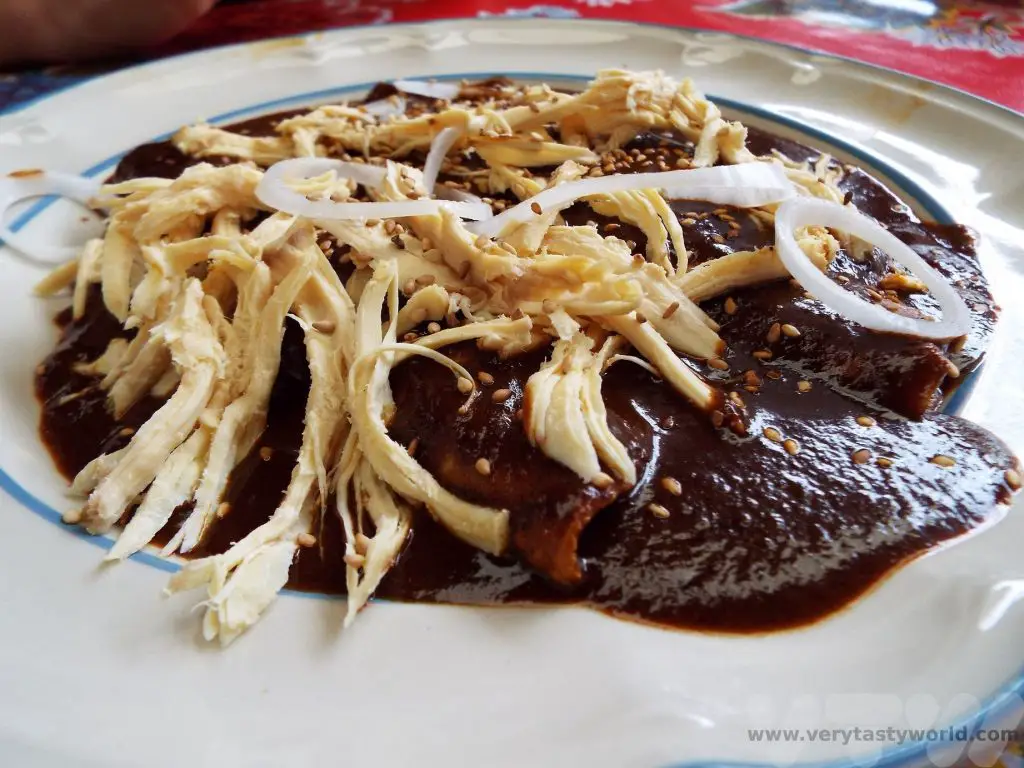
Mexico’s most famous sauce is probably mole (pronounced molay). Moles often contain over 20 ingredients – including a many, many herbs and spices, as well as nuts and chillies, as well as chocolate. Don’t fall for the sweet, glossy moles you get at hotels, the best moles are rich and complex in flavour.
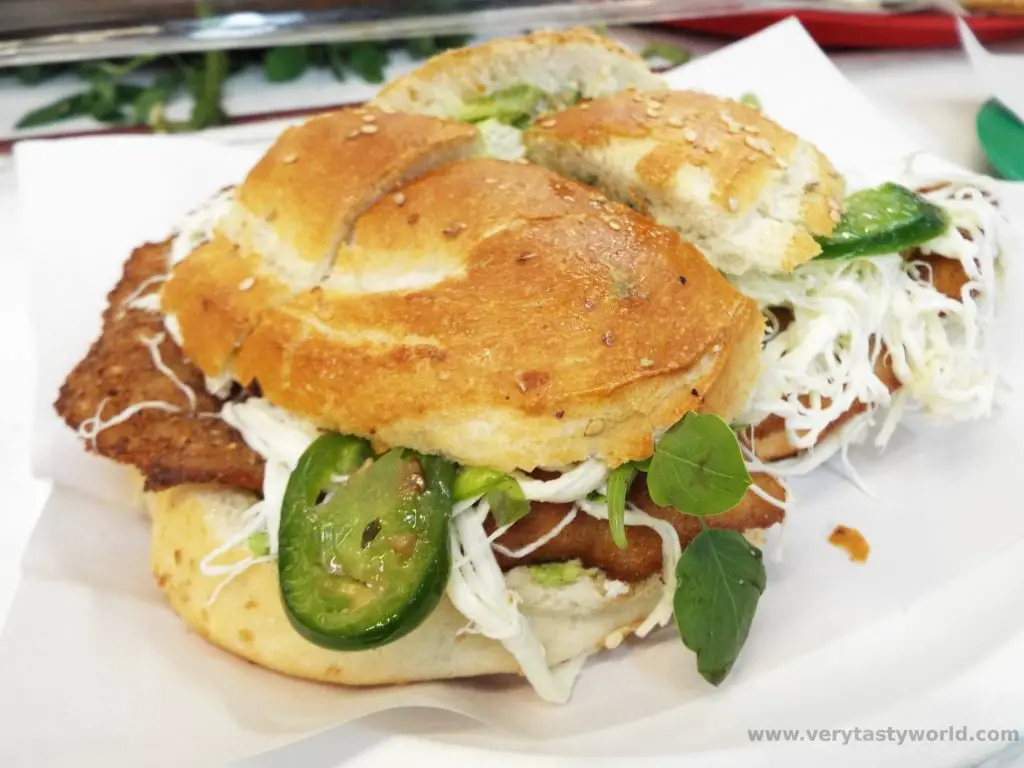
Puebla was the city where we discovered cemitas, posh sandwiches filled with loads of ingredients and packed full of flavour.
In the Yucatan, a pulled pork dish, known as cochinita pibil, is a regional specialty, very popular during the Day of the Dead celebrations.

Tortillas, circular unleavened flatbreads, are incredibly versatile. Enchiladas are rolled, filled tortillas, chilaquiles are made with fried tortillas – often topped with salsa (flavoursome sauce) and an egg. Quesadillas are filled tortillas. These are often eaten for breakfast.


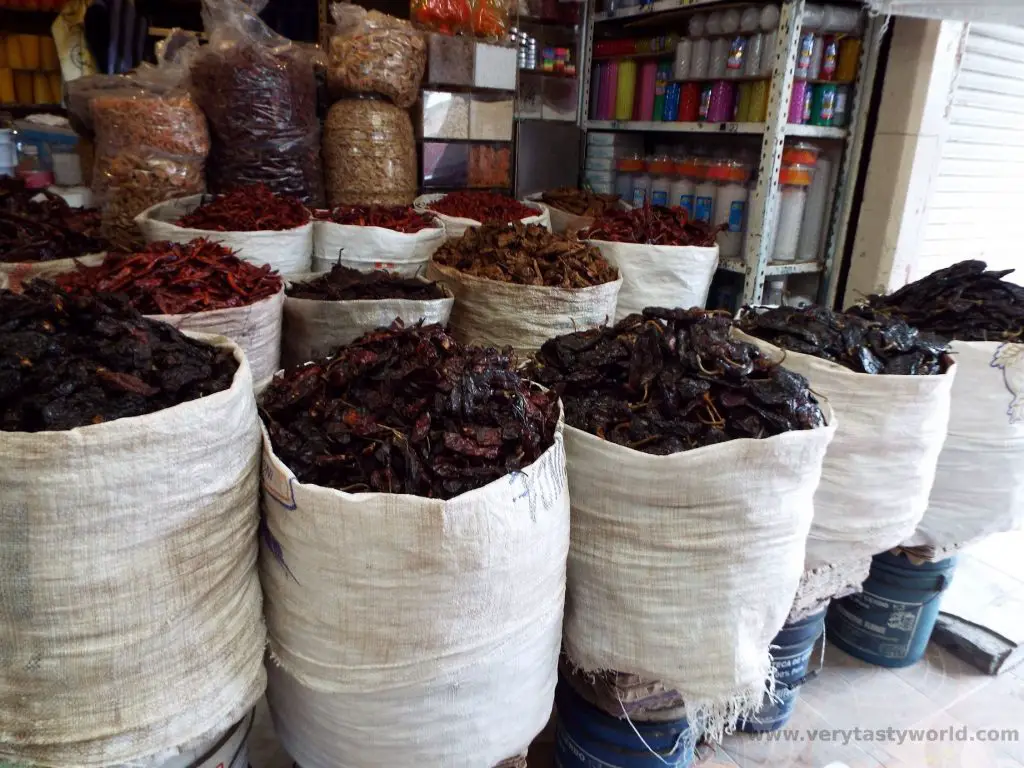
Markets are great places to visit, not only to have a look at (and buy) the huge variety of produce but you can often find some great food there as well. Mexican street food is well worth exploring.
Basic Phrases
| Good morning/hello/good evening | Buenos dias (morning), buenos tardes (afternoon), buenos noches (evening) |
| Thank you (very much) | (Muchas) Gracias |
| Please | Por favor |
| Excuse me/sorry | Disculpe / lo siento |
| Yes | Si |
| No | No |
| Goodbye | Adiós |
At the Restaurant
| Please give me this (pointing) | Por favor dame esto |
| 1/2/3/4 people | Uno/dos/tres/cuatro personas |
| Getting attention (excuse me) | ¡Disculpe! |
| Do you have an English menu | ¿Tienes un menú en inglés? |
| I don’t eat meat/fish | No como carne/pescado |
| Bon appetit | Buen provecho |
| Delicious | Eso estuvo delicioso |
| The bill please | La cuenta por favor |
Packing List
Of course you will know what clothes you would like to bring but here are some ideas for special items to pack.
Depending on when and where you are visiting the weather could be mild or very warm. Light clothing and layers are a good idea. If you are travelling on buses the aircon can get pretty cold, so make sure you have something to keep you warm, if needed. A sweater or a hoodie would be ideal.
Sunscreen and a sunhat will offer protection from the sun and jungle spray will help deter bugs.
Malaria is a risk in some parts of Mexico so check with your health provider whether you will need to bring anti-malarials.
If you are planning to swim on the beach or in cenotes, bring a swimsuit and towel. You might also want to bring aqua shoes.
Related Posts You May Enjoy



- Things to Know Before Visiting Mexico
- A Grand Nova Scotia Itinerary

- The De-light-ful Lighthouses of Nova Scotia

- Discovering the Culture & Heritage of Amerindian Food In Guyana

- A Mexico Travel Itinerary – Exploring Culture, Cenotes and Cuisine

- Things To Do in San Cristobal de las Casas

- Lobster Dinner in Nova Scotia

- Rivers and Rainforests – A Guyana Itinerary

- Best Time To Visit Machu Picchu 2024 Update

Thanks so much for reading. We hope you enjoyed this article. If you’d like to keep up to date with new posts and recipes, please subscribe to our newsletter or follow us on social media – Bluesky, Facebook or Instagram. We always love hearing from you and would be delighted to read your thoughts about this article.


I have vacationed Mexico many times, usually for a week in a resort with friends, and have only explored in day trips from the resorts. I keep telling myself that I should plan a trip that doesn’t include resorts so I get more of an authentic experience. I love exploring the Mayan pyramids, swimming in cenotes, and eating the incredibly delicious food. I’m glad you mentioned the friendliness of the people — that’s something I always appreciate. Their absolute delight at my attempts to speak Spanish immediately turns a transactional conversation into a meeting of friends.
Wait… tacos are Lebanese?! Everything I ever knew about Mexico is now in question, haha. Love this post. I have only been to Mexico on a day trip from San Diego but I really want to go. Mole is so good, so I’m super excited to try the food when I go. And the history (especially Chichen Itza) and art. Good to know some of the safety and scam tips, which can of course happen anywhere. I do like that Mexicans seem to appreciate you trying to use some Spanish – not all places appreciate the effort