
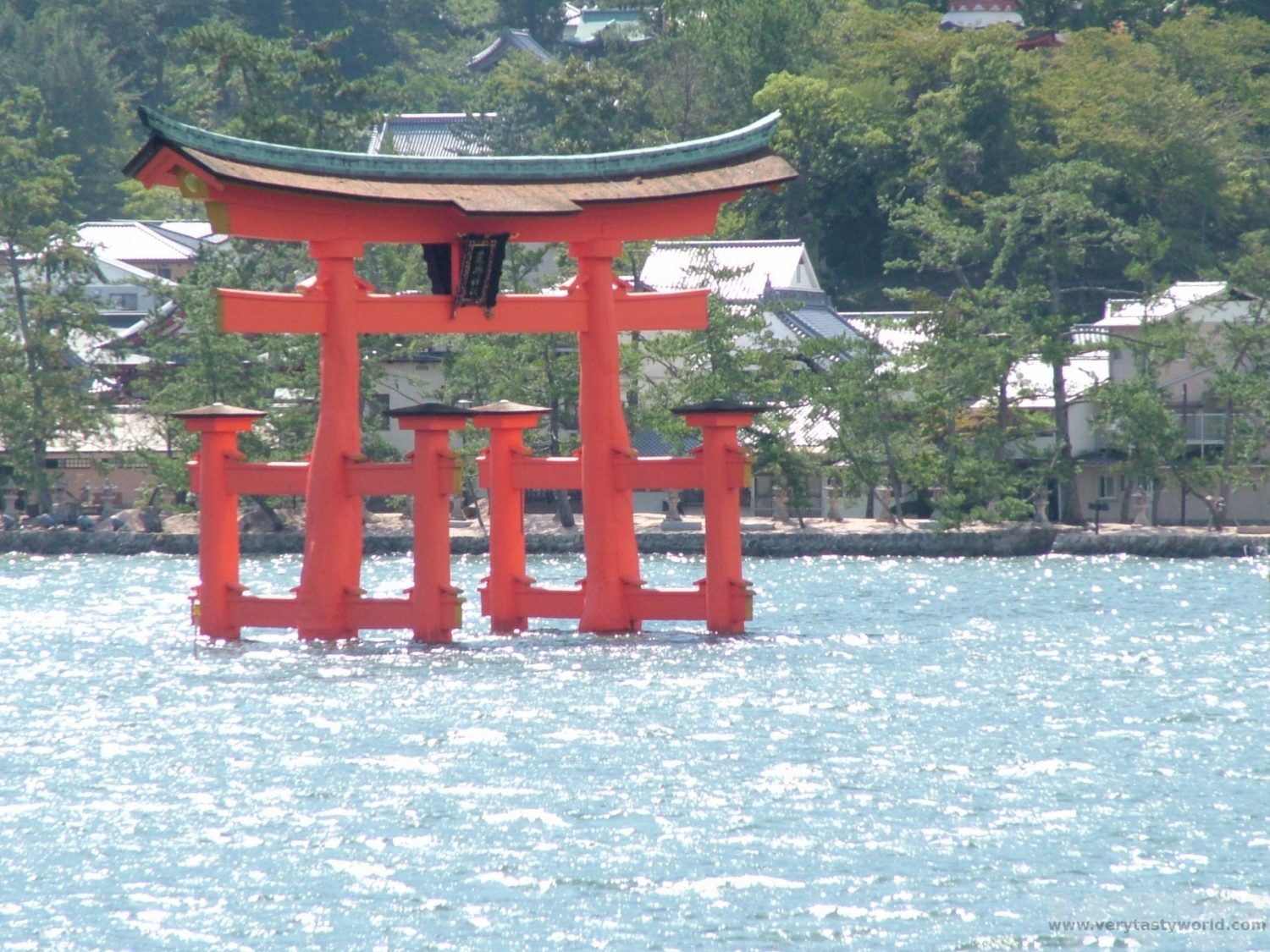
What To Know Before Visiting Japan
Our ‘know before you go’ series- succinct practical info you need to know about a country before you visit, with special tips for foodies. This handy guide is based on our personal experience of travelling in Japan many times over the course of 20 years. Here’s what to know before visiting Japan.
Please note that this post contains affiliate links. If you click through and decide to make a purchase we will earn a small commission, at no extra cost to you, which will help towards the costs of running this site.
Why Visit Japan?
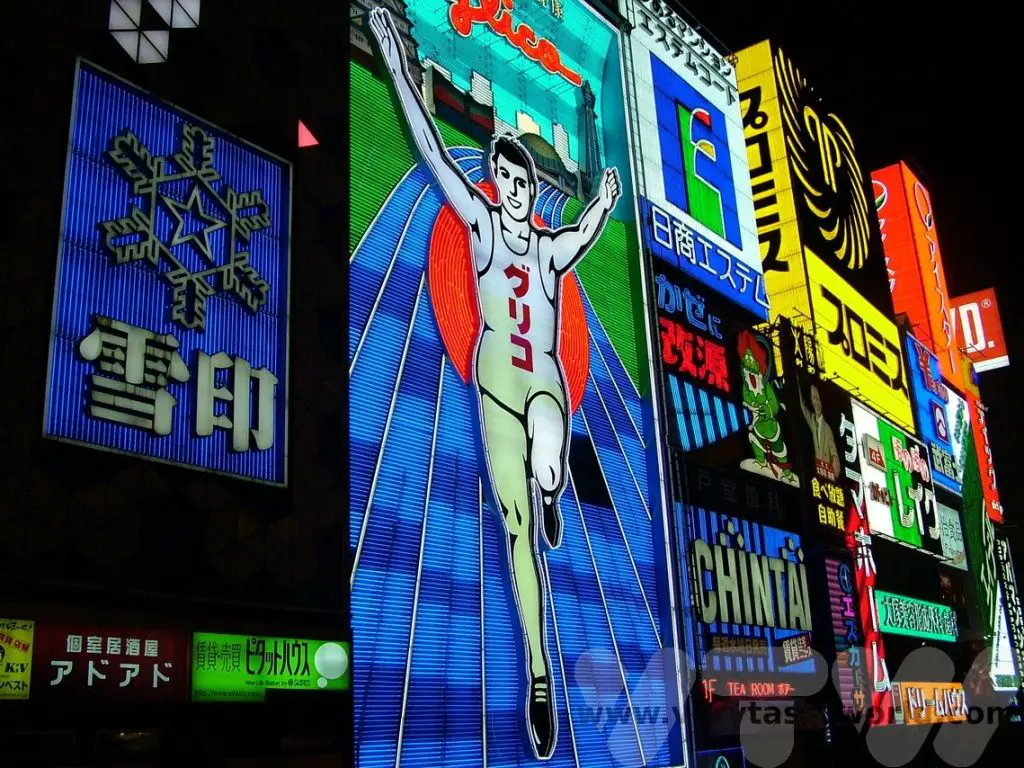
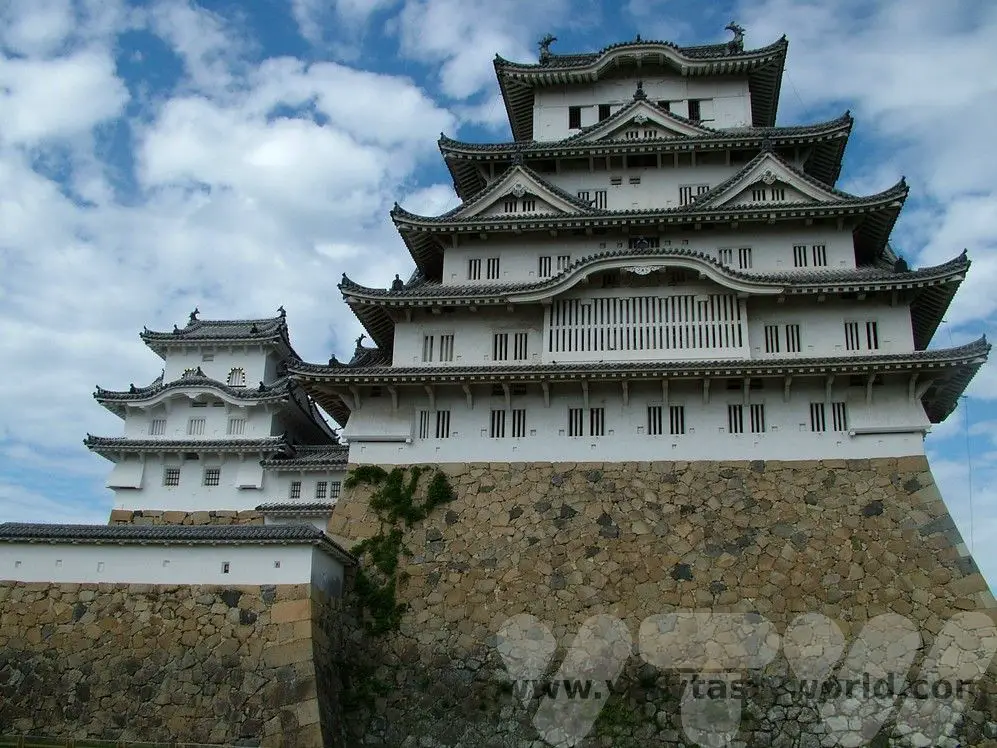
The Land of the Rising Sun is our favourite place in the world. It combines modern neon cities with delightful traditional rural towns. It contrasts hi-tech modernity with thousands of years of history. Blaring urban arcades contrast with serene temples and gardens. Japanese culture not only fascinating, it is hugely popular all over the world. The food is so delicious it’s been acknowledged by UNESCO. Japan is clean, safe and easy to get around. But, most of all, it’s so much fun to visit.
When To Visit Japan
Japan can be visited any time of the year and there are always plenty of things to see whenever you go. Golden Week (late April/early May) is a time when many Japanese workers take a break, so public transport may be busy. New Year is an important holiday in Japan, when people spend time with their families, so some museums and small hotels/ryokan will be closed during late December and the first few days of January.
Typhoon season runs from May to October, with the biggest storms in July and August. It may rain a lot but it’s rare that a typhoon would stop transportation. And the typhoon usually passes within a day or two.
Getting To Japan
Most people fly into Tokyo or Osaka. These airports are a fair distance from the cities they serve but both have good transport links into the centres. You can either catch a train or a bus.
Buses are known as limousine buses. You can easily book a limousine bus from Osaka airport or a bus to Tokyo from Narita or Haneda airports.
Passports and Visa
Check the Japanese Ministry of Foreign Affairs website to see whether you need a visa.
Getting Around Japan
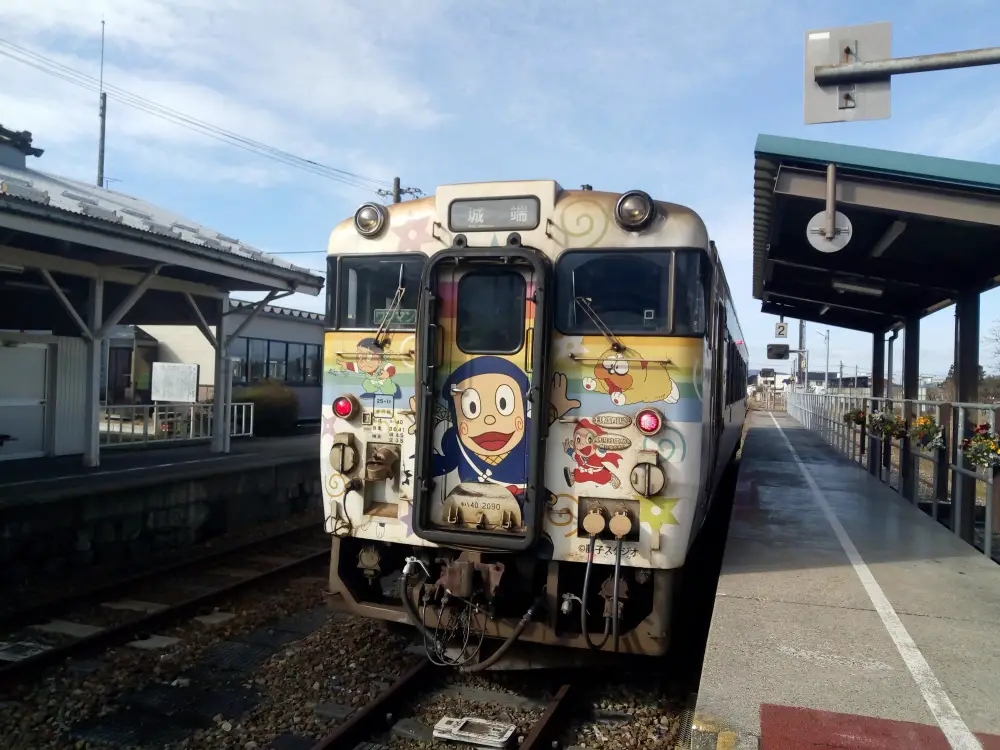
Public transport is the best way to get around Japan. It is efficient and integrated and – most of the time – bang on schedule. In fact, delays on trains are measured in seconds, not minutes! Most Japanese trains are punctual to within one minute. You can read our detailed post about how to use public transport in Japan.
Getting Around Cities
The major cities have metro systems. We recommend getting an electronic money card such as Passmo or Suica which you can charge with cash and then tip-tap in and out of the metro stations. You can also use them – and charge them – at convenience stores. Beware that different cities may need different cards.
A Suica card will get you around the Tokyo area.
A Kansai metro card (Osaka) gives several days transport and discount at a number of attractions. There is also a Kansai pass that offers discounts on various transport and activities.
Getting Around the Country
If you are planning to visit different cities we recommend getting a Japan Rail Pass. This gives you unlimited transport on all Japan Rail (JR) trains, except the super-fast Nozomi bullet train. The other bullet trains are still very, very fast, so this isn’t a problem.
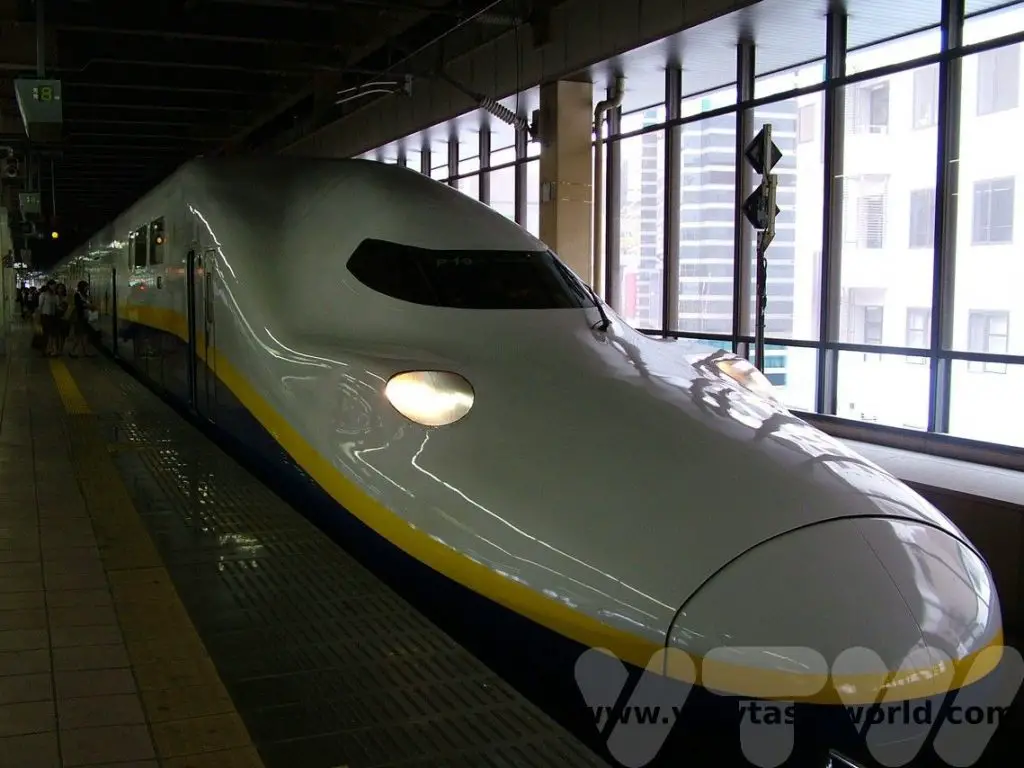
You need to buy a JR Pass voucher before you visit. If you are travelling in just one area of Japan, you can buy a regional pass which is cheaper. Just click on the link and select which region you wish to buy a pass for. You will only be able to use the pass within this region.
JR Pass prices increased last year so there is a tool which helps you check whether it is cheaper to get a rail pass or buy individual tickets.
You will receive a voucher which you then exchange for a rail pass at a JR station.
Beware that if you are travelling further out, some railway lines are private lines and the JR Pass cannot be used on these, so you will have to buy a separate ticket.
Alternatively there are long-distance buses which travel between cities. These are significantly cheaper than the train but slower.
If you are travelling in the countryside you can easily rent a car as that will provide lots of flexibility. We don’t recommend driving in the cities. Driving is on the left.
Accommodation
Japan has many different types of accommodation to offer the visitor. It has a plethora of standard hotels. If you are on a budget, Japanese business hotels, designed for salarymen (Japanese businessmen), are a good option. They offer very small rooms but they are cheaper than standard hotels and still have loads of facilities. And you’re in Japan – you don’t want to spend all your time in your hotel! We have a post about what to expect when staying in a Japanese business hotel.
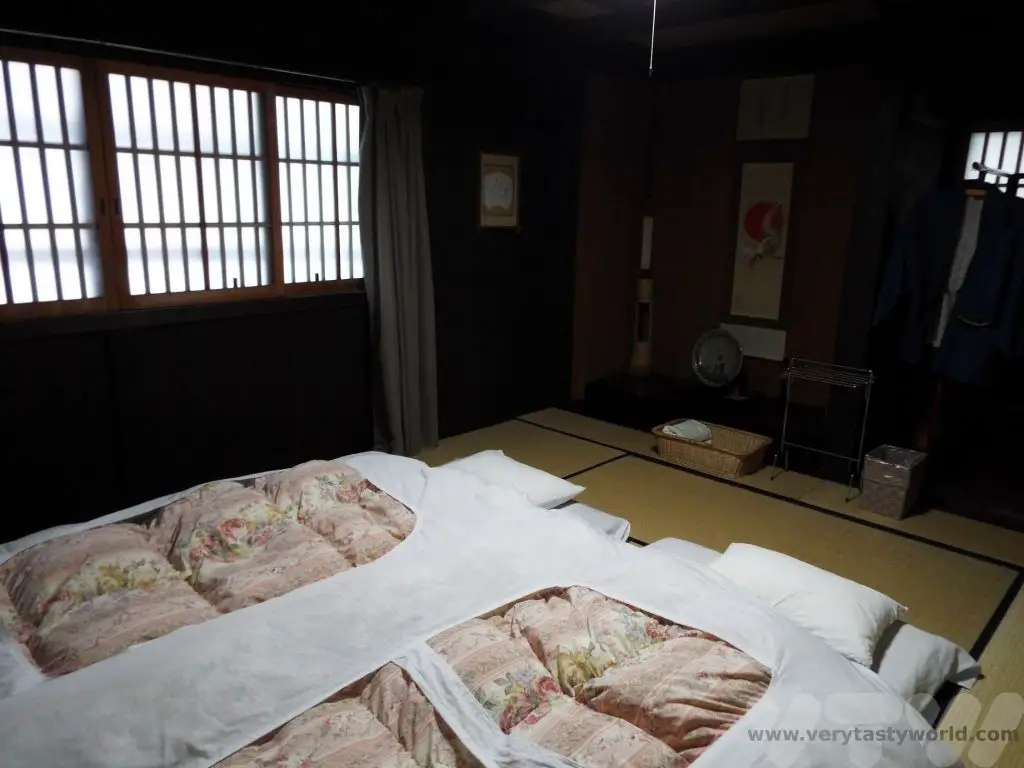
A ryokan is a traditional Japanese guesthouse and we recommend staying in one for at least part of your stay. You will have a tatami (reed mat) floor and will sleep on a futon.
Some ryokan will offer your meals in your room. They are delightful and refined but can be on the pricier side. However, we reckon it’s worth a splurge for a night or two.
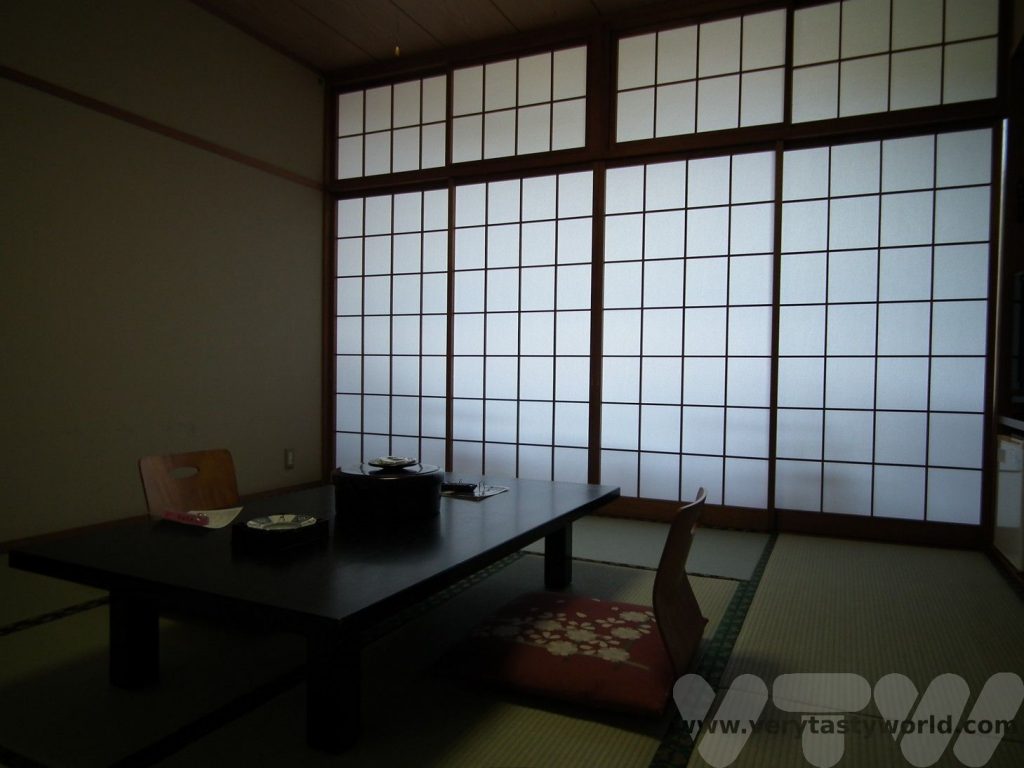
Minshuku are B&Bs that are usually run by families. Often they will have tatami rooms and a shared dining room.
And if you’re feeling even more quirky, you can stay in a capsule hotel. Definitely not for the claustrophobic, you sleep in a tube in a dorm. Do note that these will be sex-segregated.
Language
Unsurprisingly, the language of Japan is Japanese. English isn’t spoken widely. The written language comprises four alphabets:
| Kanji | derived from Chinese characters |
| Hiragana | a phonetic alphabet for words of Japanese origin |
| Katakana | a phonetic alphabet for words of foreign origin |
| Romaji | the roman alphabet |
At 46 characters each, Hiragana and katakana are reasonably easy to learn and are helpful if you are travelling because it becomes quicker to read signs etc. Kanji are much more difficult – you need to know around 2,000 before you can read a newspaper. And each kanji has multiple pronunciations!
If you are travelling on public transport you will see station signs written in kanji but there will also be a romaji sign in the major cities. The romaji name will usually be below the station name written in Japanese, but may not appear on every sign. Be sure to look out when you arrive at a station. Many trains and metros will have an indication of the next stop on an electronic display.
Over the years technology has improved for visitors and many ticket machines will offer English, Chinese and Korean language options.
Money
The currency is the Yen. You can usually buy Yen in your own country prior to travelling.
Cash is king in Japan. Although there are increasing numbers of ATMs, we do recommend bringing cash.
Credit cards are becoming more widely accepted in places such as hotels, restaurants and convenience stores.
Tipping
You don’t need to tip in Japan.
Electricity
Japan uses 100V two flat-pin plugs. We suggest taking an adaptor with you. Curiously (and this isn’t really an issue, just a random fact) the east side of Japan runs on a 50Hz frequency and the west on a 60Hz frequency.
Telephone, Internet and Wi-Fi
You can pick up a SIM card or eSIM.
Wi-fi is available in many of the cities. Most hotels and ryokan will offer wi-fi.
Can I Drink the Water?
Yes, Japanese tap water is safe to drink.
Safety
Japan is a very safe country and has a low crime rate. Obviously bad things can happen anywhere, but we have always felt safe travelling there and have never had any issues.
However, Japan is located in the Pacific Ring of Fire so is prone to earthquakes, which could lead to tsunami on the coast. Japanese buildings are designed to withstand earthquakes but it is worth noting emergency procedures when staying in your accommodation. All hotels will have equipment such as torches in each room and an infographic showing an escape plan.
Culture and Etiquette
Japan is a country where etiquette is important although, as a visitor you aren’t expected to know it all. However, if you get it right, it is greatly appreciated.
Being polite and respectful is a very important part of society.
Eating and Drinking
Eating
These days, many restaurants, particularly in the cities, will have a menu in English. If they don’t there is a backup option where restaurants display plastic models of the food outside, so you can take a photo of the window display and point to what you want.
Some restaurants have automated ordering machines – select your dish and put cash into the machine. You’ll get a receipt and then your food will be delivered or your number announced.
Food is eaten with chopsticks. It isn’t too difficult to learn how to use them. Most restaurants won’t offer you a fork, although some may have spoons. If you really struggle with chopsticks it might be worth bringing your own cutlery.
Some restaurants offer tabehodai – which means ‘all you can eat’. There’s a set time period to order and scoff as much delicious food as you can.
A kaiten sushi bar is a sushi restaurant where sushi is placed on plates on a conveyor belt and sit at the bar and help yourself. The plates have different colours and each colour has a price. At the end of your meal the cost is calculated by adding up the number of plates. Some of the cooler sushi bars deliver the sushi by mini-shinkansen!

Typical Japanese dishes include sushi/sashimi, noodles (ramen, udon, soba, somen are particular favourites), karaage fried chicken, donburi rice bowls, tempura, okonomiyaki (often described between a cross between a pizza and a pancake), gyoza dumplings, shabu shabu/sukiyaki (wafer-thin meat cooked in a broth or sauce), yakitori meat skewers, takoyaki octopus balls and many, many more.


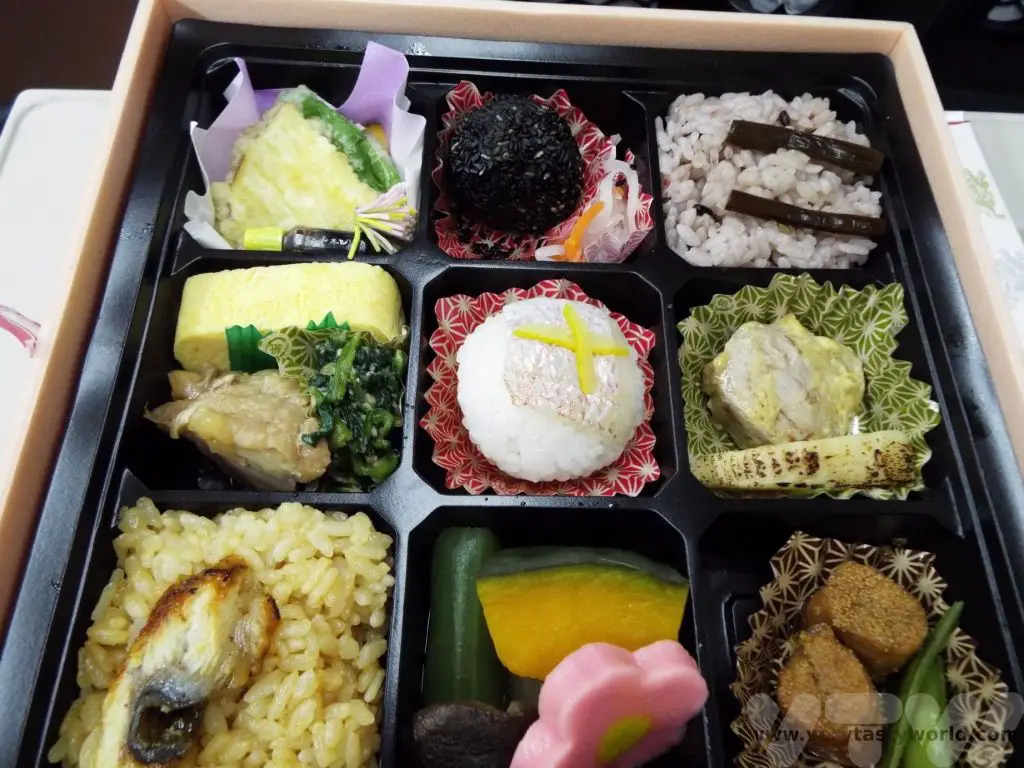
Bento – if you’re travelling on the shinkansen you can pick up a bento, a boxed lunch, which is a delicious snack to enjoy on the train. Specific stations even sell specialty bento with ingredients and dishes local to the area. It is cheaper to buy your bento at a convenience store or at the station rather than on the train.
Drinking
Traditional drinking establishments are called izakaya. They will sell lots of alcoholic drinks (and non-alcoholic but Japan has a hearty drinking culture) and often lots of delectable small plate dishes to enjoy while you soak up the booze.
Nomihodai means ‘all you can drink’.
Be aware that there may be a cover charge at some izakaya. If you are given a plate of snacks, they aren’t free, and may cost a lot more than you think they are worth. The cover charge is ostensibly there to keep you drinking at that establishment.
Coffee shops are called kissaten and they will offer a variety of interesting hot and cold drinks, as well as some nice snacks. Ice-kohi (iced coffee) is particularly enjoyable in the sweltering heat and humidity of Japan’s summer.
Vegetarian/Vegan Dining
Japanese cuisine can be quite challenging for vegetarians or vegans but there are options. Vegetable tempura (deep fried vegetables with a crispy batter) is a good choice and most sushi restaurants will serve kappamaki (cucumber rolls) or takuan maki (daikon, aka mooli, radish rolls). Agedashi tofu is a lovely lightly fried tofu, served with a dipping sauce and grated daikon. Zaru soba (chilled buckwheat noodles) should also be okay. Side dishes called tsukemono – literally ‘pickled things’ – often accompany dishes and these usually comprise pickled vegetables.
Beware that soups and broths may have used a meat or fish based stock, although vegan stocks – dashi – are available and made from kombu (kelp seaweed) or shiitake mushroom stock.
Zen Buddhist monasteries offer shojin ryori – beautiful and delicious dishes that are also vegan, and are delightful if you are staying at a temple during your trip.
Konbini – convenience stores – can be found all over Japan and are great places to find veggie food and snacks.
Basic Phrases
| Good morning/hello/good evening | ohayo gozaimasu/konnichi wa/konban wa |
| Thank you (very much) | (domo) arigato (gozaimasu) |
| Please | onegaishimasu |
| Excuse me/sorry | sumimasen |
| Yes | hai |
| No | iie |
| Goodbye | sayonara |
If you go into a shop or restaurant you will hear ‘Irasshaimase!’ which means ‘you are here – welcome’!
At the Restaurant
| Please give me this (pointing) | kore o kudasai |
| 1/2/3/4 people | hirori/futari/san-nin/yon-nin (if you want a table at a restaurant just hold up a number of fingers for the number of people dining) |
| Getting attention (excuse me!) | sumimasen! |
| Do you have an English menu | eigo no menyuu ga arimasu ka |
| I don’t eat meat/fish | niku/sakana o tabemasen |
| Bon appetit | itadakimasu |
| Delicious | oishii |
| The bill please | o-kaikei onegaishimasu (Or you can cross your index fingers in an ‘x’ shape) |
| That was a real feast/thank you for the meal | gochisosama deshita (if you say this to the chef you will get a big smile!) |
Packing Suggestions
Japan isn’t demanding in terms of packing. In fact, we pack minimally so that we have space in our luggage to bring all sort of cool souvenirs and foodie ingredients back home with us.
Of course you will know what style of clothes you would like to bring but you will need seasonal clothing depending on when you visit.
Winters are cold but summers are hot and very humid, so bring appropriate clothing. Layers work best. It can rain heavily, especially in the typhoon season, so waterproofs are always a good idea. If you don’t have waterproofs you can easily buy a cheap umbrella for just a few hundred yen.
In most cases, if you have forgotten to bring anything, you will be almost certainly able to pick it up in Japan. Be aware though that clothing is generally tailored towards the Japanese physique. The Muji and Uniqlo clothing stores will have a greater selection of sizes.
And even if you forget your toothbrush there is a strong likelihood that you’ll get a useful toiletries pack in your hotel.
Related Posts You May Enjoy



- Just for the Hell of It – The Hells of Beppu

- Five Wonderful Places to Visit From Tokyo

- Amazing Japanese Black Sesame Pudding Recipe

- How To Say Thank You For The Food in Japanese

- What To Know Before Visiting Japan
- Where To See Snow Monkeys In Japan

- Is Kanazawa Worth Visiting?

- RECIPE: How to Make Sushi Ginger – Gari

- Kobe Beef in Kobe – Is It Worth It?


- Great Grinds & Best Brews – Coffee Around The World

- Things to Know Before Visiting South Korea

- Things to Do in Kuching – The Charming Cat City

- The Very Best Kuching Food

- A Splendid Three Days in Singapore Itinerary

- RECIPE: How To Make Dakgalbi


Thanks so much for reading. We hope you enjoyed this article. If you’d like to keep up to date with new posts and recipes, please subscribe to our newsletter or follow us on social media – Bluesky, Facebook or Instagram. We always love hearing from you and would be delighted to read your thoughts about this article.


This was a well-rounded read covering all aspects travellers should keep in mind when visiting Japan. For me it is such a different travel experience as opposed to what I am used to in Europe. Japan’s culture is clearly very rich and layered, and I appreciate guides like yours that dive into the real details, provide honest insights and are not just a tourist checklist. I have to admit though, that Japan isn’t high on my travel list — partly because of the food. With allergies to fish and soy, eating is one of my main concerns and I know I’d have to be super cautious. Still, I really value how well-rounded and honest your guide is. It gave a realistic picture that’s helpful whether someone plans to visit or not.
Carolin | Solo Travel Story
This is a fantastic look at what a traveller to Japan can expect with wonderful hints and tips. I appreciate the transportation and accommodation hints, as these are the first steps to planning. Travelling around Asian countries can be especially intimidating for those of us who are used to the Roman alphabet, so it’s good to know to be prepared with some basic understanding of reading Kanji.
Japanese food is a favourite of mine, so my packing list would need to include clothing with elastic waistbands!
This was a delightfully easy to follow guide and perfect for anyone (like me) who hasn’t been to Japan yet. Getting around the cities and the country seems to be easy enough, especially with such punctual trains. As a vegetarian I’ve always been most concerned about finding food, which is probably the reason Japan hasn’t been a priority for me to visit. But I’d like to go one day, and this really helps me know what to expect
Sumimasen! Now that I have everyone’s attention, I think Japan is the only place where I can finally put on my kimono (kudasai!) that I have dreamed of wearing for a long time while visiting temples or boarding a bullet train or wolfing down a takoyaki (oiishi) along a busy street. Thanks for sharing this helpful guide as well as very useful survival Japanese phrases. Arigato guys 🙂 #flyingbaguette
Japan is one of those countries that I would love to visit someday, and your guide was an awesome introduction! I was fascinated enough by your explanation of how to get around that I clicked on the public transport article you wrote, and learned a few things about its train system. I was curious about how transportation functions in the countryside areas and it’s clear that Japan gave a lot of thought to transporting people through trains rather than relying on highways. While I would try to learn the language, i’m glad to see some of the food menus are in English as well, though I would compensate by at least trying some Japanese food. Speaking of food, the kaiten sushi bar sounds like a really cool concept! This is a really well done guide!
This is a great article at what to expect in Japan. It is filled with plenty of tips and a few Japanese phrases.
Thank you for sharing.
This is great and I agree with everything. I like how you’re straight to the point with tipping – No. Haha It’s hard for us Americans to wrap our head around it, but it makes a lot more sense to pay people their worth. I was scared about the trains, since I don’t know Japanese, but they were clear and easy to use!