

Things to Know Before Visiting South Korea
Another in our ‘know before you go’ series – everything you need to know about a country before you visit, with special tips for foodies. These handy guides are based on our personal experiences of travelling in each country. Here’s our guide on things to know before visiting South Korea.

Please note that this post contains affiliate links. If you click through and decide to make a purchase we will make a small commission, at no extra cost to you, which will help towards the costs of running this site. Thanks for your support!
Why Visit South Korea?
South Korea is a fantastic country to visit. It’s a place where thousands of years of history combine with incredibly modern cities. Seoul and Busan are very hi-tech, vibrant and exciting, with plenty to see and do. And South Korea has a remarkable history.
Seoul has no less than five royal palaces to explore amidst the modern high-rise architecture. The delightful city of Gyeongju was the former capital of the Silla people (57 BCE to 935 CE) and has a huge number of wonderful historic sites to explore.
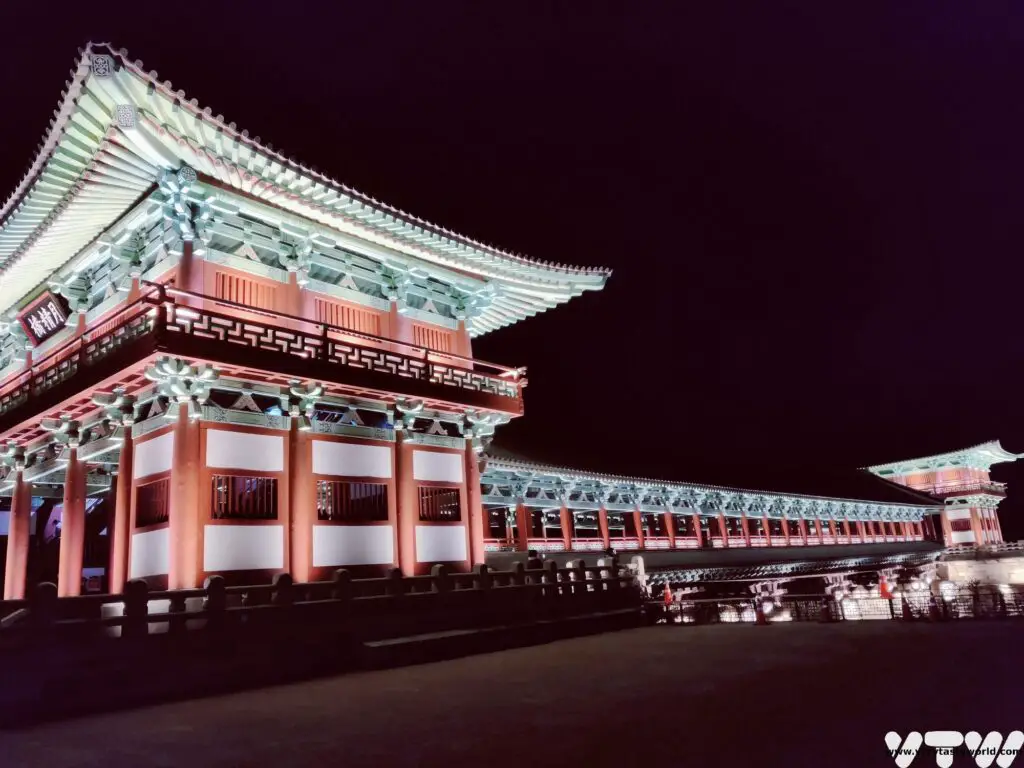
South Korea’s amazing culture is becoming increasingly famous the world over – as any fan of K-pop music will tell you. It also has a thriving film industry. Fashion and cosmetics are hugely popular as well.

And the food scene is simply sublime. There are a huge variety of dishes to try. There are so many places to eat – the country offers the full range from posh restaurants to splendid street food. The practice of making kimchi – the delicious and healthy fermented cabbage-based side dish – is an important part of Korean culture and is UNESCO listed.
Getting To Korea
Most people fly into Incheon Airport near the capital Seoul. This airport is a fair distance from the city but has good transport links and it takes around an hour to reach the centre. Many of the other major cities have airports and it is possible to find flights into these.
Passports and Visa
You will need to check whether you need a visa to visit. The Korea Visa Portal will indicate whether you need a visa and provide direction on applying for one. These countries don’t need a visa to visit South Korea.
South Korea has an electronic travel authorisation system. Even if you are eligible for visa-free entry you will be required to get K-ETA approval before departure for your destination.
Getting Around Korea
Public transport is the best way to get around. It is efficient and integrated and – most of the time – bang on schedule.
Getting Around Cities
The major cities have extensive metro systems and local buses. The metro systems are easy to use and there is plenty of signage in multiple languages.
We recommend getting a T-Money Card which you can charge with cash and then tip-tap in and out of the metro stations and on public transport. You can also use them – and charge them – at convenience stores. Your T-money card can be used throughout the country.
Getting Around the Country
South Korea’s public transport system is excellent – fast and efficient. If you are planning to visit different cities (and we encourage you to do so) you can get a Korea Rail Pass and travel on the KTX bullet trains. There are various options – you can buy a pass for travel on consecutive days or buy a pass to travel on a specified number of days within a time period.
If you are travelling between cities on the trains, we suggest checking your schedule and making seat reservations at least a couple of days before travelling because seating is allocated and trains can get booked up very quickly. It may be possible to get tickets on the day but we suggest booking if possible. There is no charge to make a reservation.
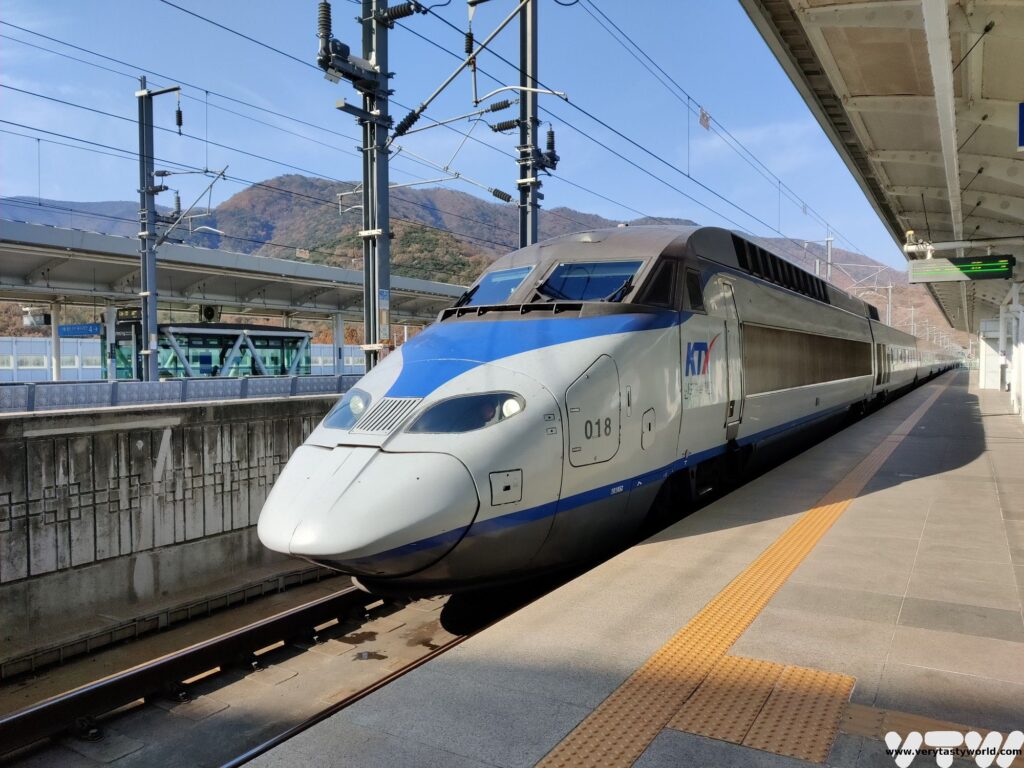
Buses are also a good way of getting around. Inter-city buses are cheap and comfortable.
Car hire is also a good option if you want flexibility, but better for driving across the country rather than in the cities.
And, don’t worry, we promise that there aren’t any zombies on the Train to Busan!
Accommodation
South Korea has many different types of accommodation to offer the visitor. It has a plethora of standard hotels, from the upmarket to cheaper hostels.
A hanok is a traditional guesthouse and we recommend staying in one for at least part of your stay. These offer beautiful rooms with traditional furnishings.

You will sleep on a yeo, a mattress that is about an inch thick. The yeo is folded away during the day, so that you can use the room as a sitting area – and you can lean against the yeo as a large cushion.


In the winter you can also enjoy the benefits of ondol underfloor heating.
Language
The language of South Korea is Korean. We found that there were quite a few people who could speak English and many people were very happy to help us find our way around.
If you are travelling on public transport you will see station signs written in English, Chinese and Japanese.
Many trains and metros will indicate the name of the next stop on an electronic display. Ticket machines will usually offer English, Chinese and Korean options.
The written language is called Hangul and is one of the few written scripts that can be dated because it was invented in 1443 by King Sejong the Great. It’s a phonetic alphabet which is consistent in pronunciation. We managed to learn Hangul prior to visiting Korea and found it useful to be able to read signs but, if you don’t know Hangul, it won’t be a problem navigating the country.

Money
The currency is the Won. You can usually buy Won in your own country prior to travelling.
Many museums, shops and restaurants accept credit cards but not all. Smaller restaurants, street food vendors and market stall holders will only take cash, so we do recommend bringing a reasonable amount of cash with you.
ATMs are available but be aware that some might not accept foreign cards, so check for those marked ‘global’. There may be fees to withdraw money.
If you are using a T-money card you will need to top it up using cash, you cannot use a credit or debit card. You can do this at charging stations at public transport hubs or at convenience stores.
Tipping
You don’t need to tip in Korea.
Electricity
You may need to take an adaptor with you. Korea uses two round-pin plugs. Standard voltage is 220V running at 60Hz.
Telephone, Internet and Wi-Fi
You can pick up a SIM card or eSIM.
Public Wi-fi is available in many cities.
South Korea is generally a safe country. The emergency number is 112. Wait until you have been connected to an interpreter.
Can I Drink the Water?
Yes, the tap water is safe to drink.
Culture and Etiquette
In Korea there is a great respect for older people. We were surprised, delighted and a bit taken aback that many young people kindly offered to give up their seats on buses for us (we’re not that old!) which we largely declined with thanks, because we’re not that old!
But we did find that younger people really went out of their way to approach us to see whether they could help us when using the public transport systems. It was lovely to meet so many friendly people.
Did You Know? Koreans count their age in a different way to the rest of the world. Although ages are aligned and standardised these days, in Korea you would have been born at age one and your age also increases on the first of January every year. So you may appear to be 1-2 years older than you are in Korea.
People generally don’t use the priority seats on public transport. If they are empty it’s okay, but do give up your seat if someone needs it more than you.
Also, it’s considered rude to blow your nose in public.
Eating and Drinking
Dining
Eating in Korea is nothing short of a delight. The cuisine can be very different and sometimes a bit challenging, but we encourage you to try as many dishes as possible. The ubiquitous sour and crunchy cabbage dish kimchi is UNESCO listed and you will almost certainly be offered this to accompany every meal.
We found that there were a number of vegetarian outlets in the cities, although vegetarians may need to be careful about soups and stews which may contain fish or meat stock. Vegetable dishes that use tofu are popular all over the country.
These days, many restaurants, particularly in the cities, will have a menu in English or a picture menu. A lot of the restaurants or cafes we visited had electronic menus with a self-ordering system. Some of these had English options, others we just guessed based on the menu. The food is cooked in the kitchen and will either be brought to your table or your number will be called. We found that all the staff in these restaurants were looking out for us, so that they could beckon us over when our meal was ready.
Food is eaten with chopsticks and a spoon. If you can’t find these on the table, look under the table because there is often a sneaky drawer with everything you need.
Water is always provided and is free – sometimes you may have to help yourself from the water station.
You generally don’t ask for the bill, just go to the payment station.
If you are dining with an older person, wait for them to start eating before you tuck in.
You can read our post about Korean table setting and etiquette.
Drinking
South Korea has a lively drinking culture. There are some alcoholic drinks to try that are typically Korean.
Soju is a clear distilled spirit traditionally made from rice, now usually made from grain. It is a bit like weak vodka (it’s watered down quite a bit these days) and comes in a variety of interesting flavours. It is ridiculously cheap to buy.


Makgeolli is a rice wine usually drunk from a metal cup. It has an ABV similar to that of beer and has a cloudy beige appearance. It’s light, refreshing and a teeny bit fizzy.
Beer is also popular and often takes the form of a crisp, cold lager. Cass is a good local brand.
Soft drinks are always available. There are many varieties of fruit drinks and teas.
It is part of the culture that if you are drinking with others you shouldn’t pour your own drink. Pour for your drinking companion and they will reciprocate for you.
Foodie Favourites
Korean food is absolutely delicious. Classic dishes Include:

Bibimbap – lots of delicious ingredients delicately placed on a bowl of rice. When it arrives, mix it all up and scoff with relish.
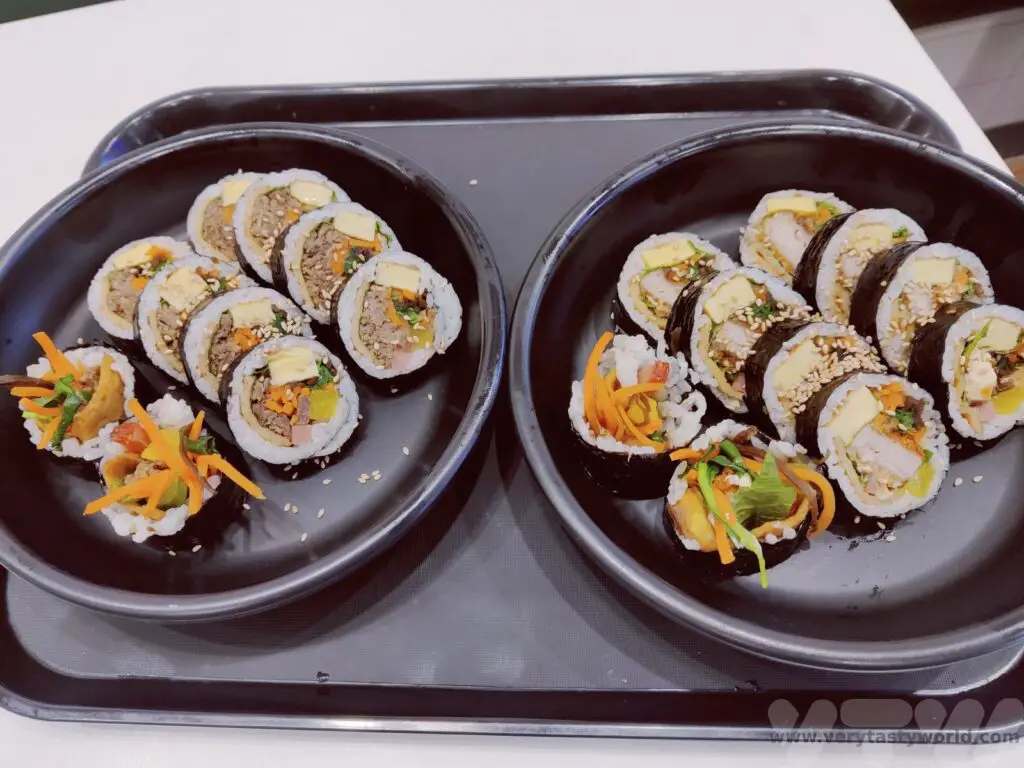
Gimbap – delicious ingredients rolled into a piece of gim (seaweed, like Japanese nori) these look like sushi rolls but the fillings are far more diverse.
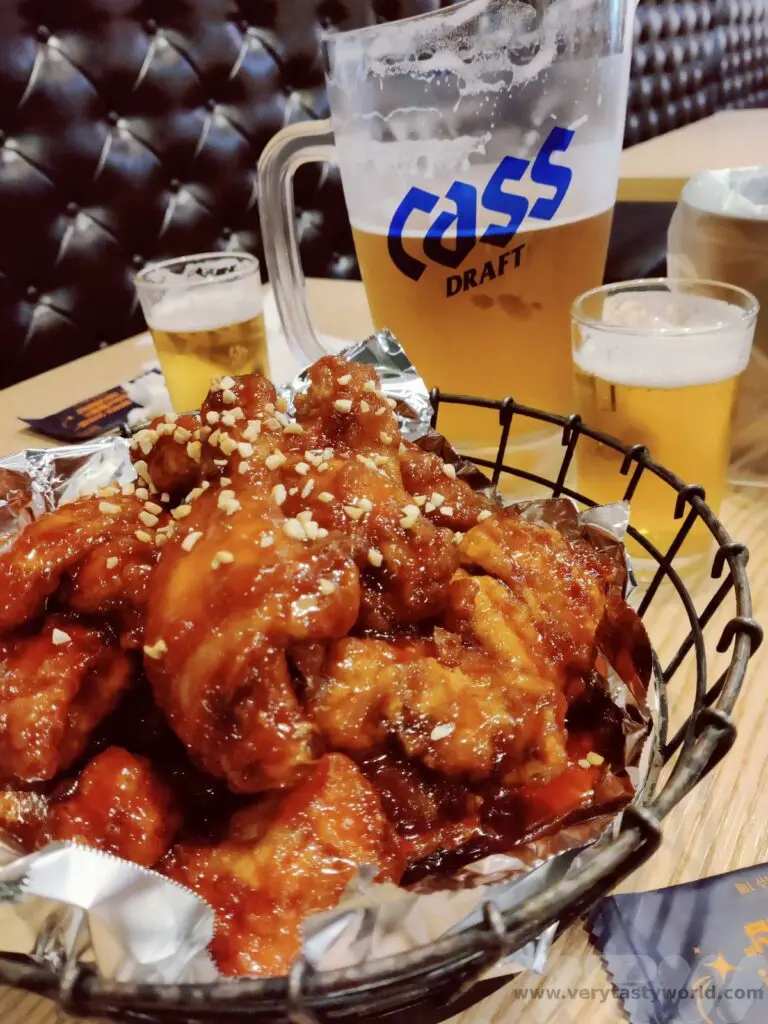
Fried chicken – KFC (Korean, not that KFC) is a joyful thing. Crispy coating and smothered in a choice of delicious sauces this is naughty and delicious comfort food. It’s even better with beer.
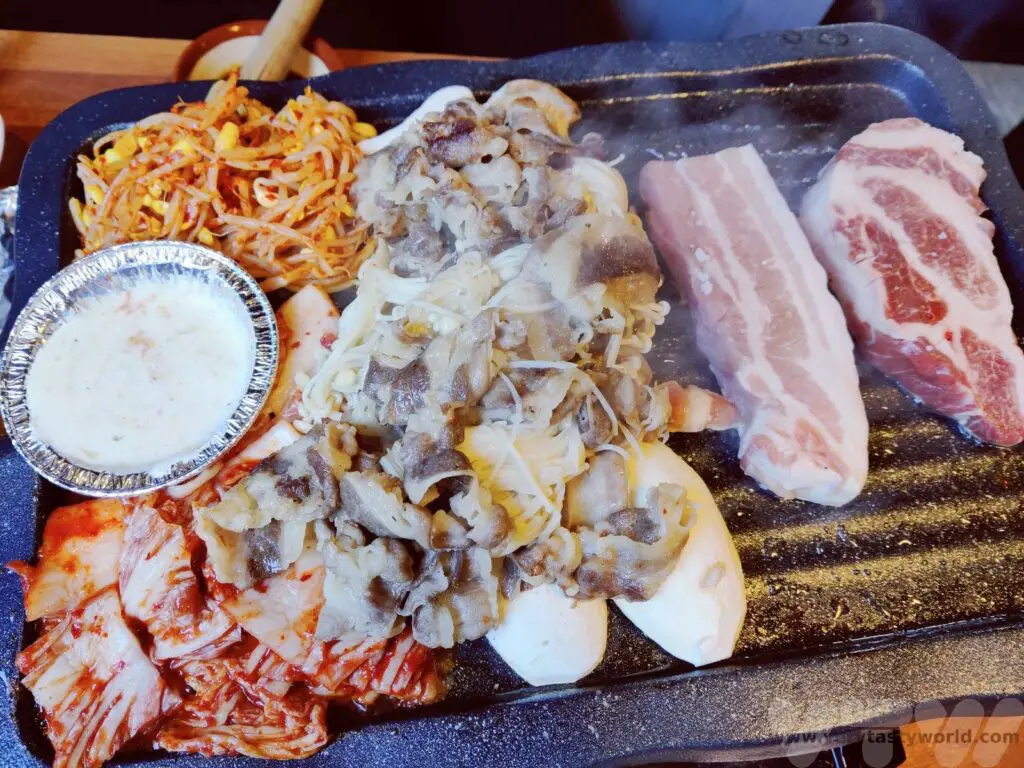
BBQ – Korean BBQ is a glorious feast. Delicious meat, cooked above charcoal, then served in a salad leaf, with loads of side dishes. Barbecued meat wrapped in a leaf is known as ssam.
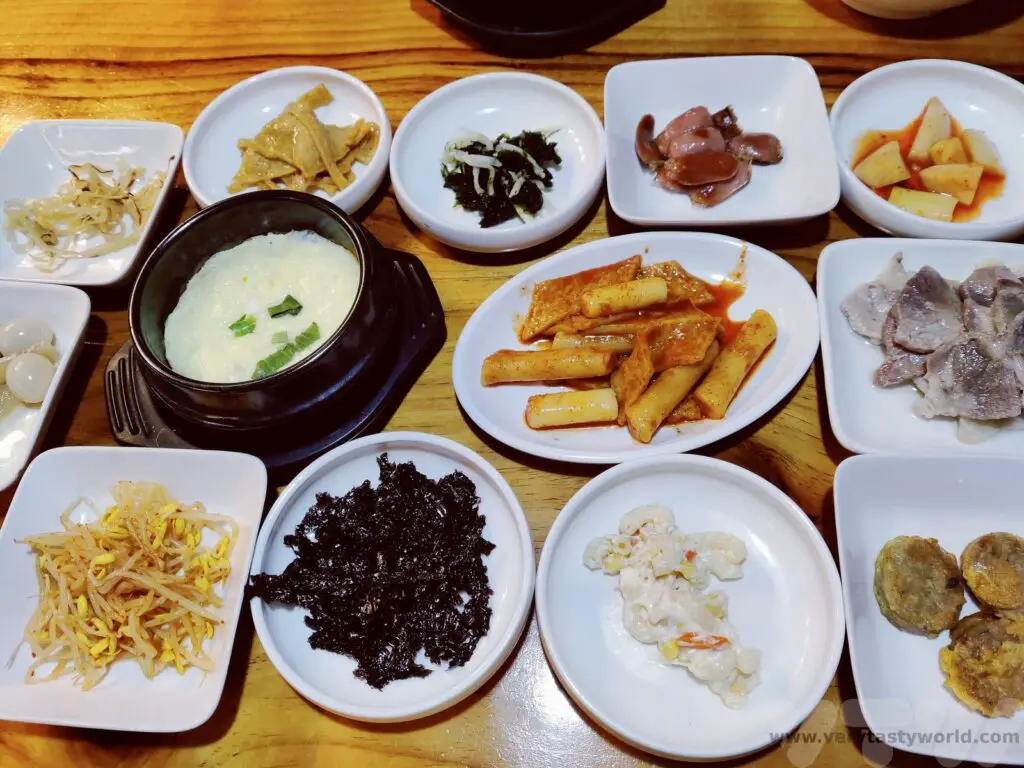
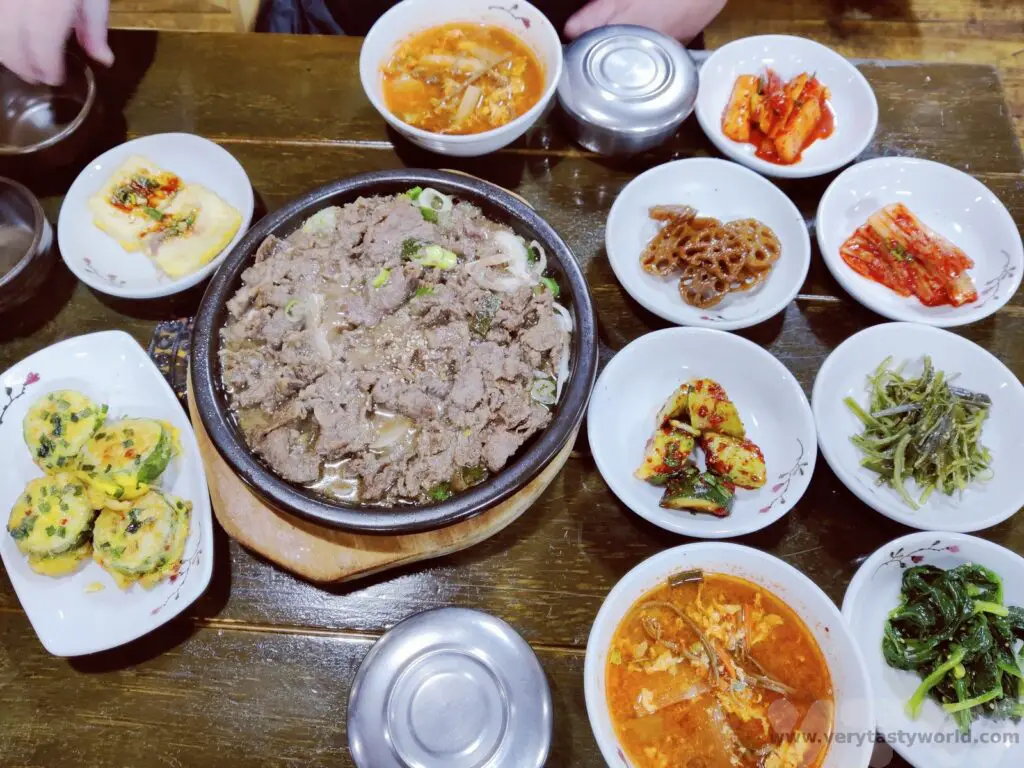
And don’t forget the banchan. These are side dishes that accompany each meal. The best thing about them is that if you polish them off, you can ask for more – for free!
Basic Korean Phrases
| Good morning/hello/good evening | Annyeonghaseyo |
| Thank you | kamsahamnida |
| Please | butakhaeyo |
| Excuse me/sorry | sillyehapnida |
| Yes | yeh |
| No | aniyo |
| Goodbye | annyeonghi gyeseyo |
At the Restaurant
| Please give me this (pointing) | Ee-guh joo-say-yo |
| 1/2/3/4 people | Hana/dool/sayt/nayt doo myung (or just indicate with your fingers) |
| Getting attention | juh-gee-oh |
| Do you have an English menu | young menufany issseupnikka? |
| I don’t eat meat/ I don’t eat fish | naneun gogireul meokji anhneunda / naneun saengseoneul meokji anhneunda |
| Cheers! | geonbae |
| Delicious | mah-shis-say-yo |
| More, e.g. Please give me more kimchi | Duh, e.g. kimchi duh joo-say-yo |
Packing List
Of course you will know what style of clothes you would like to bring but you will need seasonal clothing depending on when you visit.
Winters are cold and summers are hot and very humid, so bring appropriate clothing. Layers work best. It does rain, especially in the typhoon season (from about June to November), so waterproofs are always a good idea.
In most cases, if you have forgotten to bring anything, you will be almost certainly able to pick it up in South Korea. Markets are great places to find clothes. Apparently Korean socks are popular souvenirs – keep an eye out for them!
Resources to Help You Plan Your Trip
Accommodation:
Accommodation in Seoul
Accommodation in Busan
Accommodation in Gyenongju
Communication:
Get a T-Money Card to use on public transport and in convenience stores
eSIM for all your communication needs
Transportation
Korea Rail Pass – for inter-city transport
Car Hire in South Korea – from Seoul or Busan
Activities
Viator Activities for day trips or all sort of activities
Related Posts You May Enjoy



- Great Grinds & Best Brews – Coffee Around The World

- Things to Know Before Visiting South Korea

- Things to Do in Kuching – The Charming Cat City

- The Very Best Kuching Food

- A Splendid Three Days in Singapore Itinerary

- RECIPE: How To Make Dakgalbi


- Just for the Hell of It – The Hells of Beppu

- Five Wonderful Places to Visit From Tokyo

- Amazing Japanese Black Sesame Pudding Recipe

- How To Say Thank You For The Food in Japanese

- What To Know Before Visiting Japan
- Where To See Snow Monkeys In Japan

- Is Kanazawa Worth Visiting?

- RECIPE: How to Make Sushi Ginger – Gari

- Kobe Beef in Kobe – Is It Worth It?


Thanks so much for reading. We hope you enjoyed this article. If you’d like to keep up to date with new posts and recipes, please subscribe to our newsletter or follow us on social media – Bluesky, Facebook or Instagram. We always love hearing from you and would be delighted to read your thoughts about this article.




Super helpful post with loads of great tips that you don’t usually see anywhere else! I’m not sure I like the way the Koreans count their age (I’m already hurtling far too quickly towards yet another birthday ending in 0) but I do very much like the fact that your side dishes get replenished for free once you’ve eaten them!
I really think I’d like South Korea!
South Korea sounds delightful and a bit out of my comfort zone. But I loved hearing that they are open and friendly to visitors and that the signage in official & public spaces includes English. My Korean cusine expertise is limited to a small restaurant in London (On The Bap) so I can confirm those glazed chicken wings with sesame seeds are divine.
Carolin | Solo Travel Story
Excellent guide and knowledge about South Korea. Lovely to hear it’s such a welcoming country. Have passed onto a friend who is looking to visit. Very detailed.
I am bookmarking this post for all its useful tips. There is a substantial Korean community in my town and I have learned to truly enjoy Korean food and would love to taste all the flavours in South Korea. I’m not a fan of make-up but I definitely want to check out the creams and potions as I have heard so much about them. I know I would enjoy staying in a hanok over a hotel. I especially appreciate the etiquette included. It would be too easy to be accidentally rude!
Give me bibimbap, barbecue, beer, and all Korean BB creams, and I’ll be a happy girl! It’s nice to read about your South Korean adventure. The capital city can be quite intoxicating with its dizzying, sleek high-rise buildings. I feel like Busan is more of my vibe than Seoul. I was really hoping that the post would end like how every K-drama would haha..but at least you got the yeo right..geonbae! #𝗳𝗹𝘆𝗶𝗻𝗴𝗯𝗮𝗴𝘂𝗲𝘁𝘁𝗲