
Great Grinds & Best Brews – Coffee Around The World
To many, it might just be a great way to start the day, but a cup of coffee is so much more than a hot, caffeinated drink. In several countries coffee is a way of bringing people together and expressing cultural identity. In fact, it is so important to so many nations that the culture of coffee around the world has been inscribed by UNESCO for multiple countries. And there are lots of exciting ways to brew and serve coffee. This is our guide to some of the world’s best brews.
Where It All Began
Ethiopia Origins
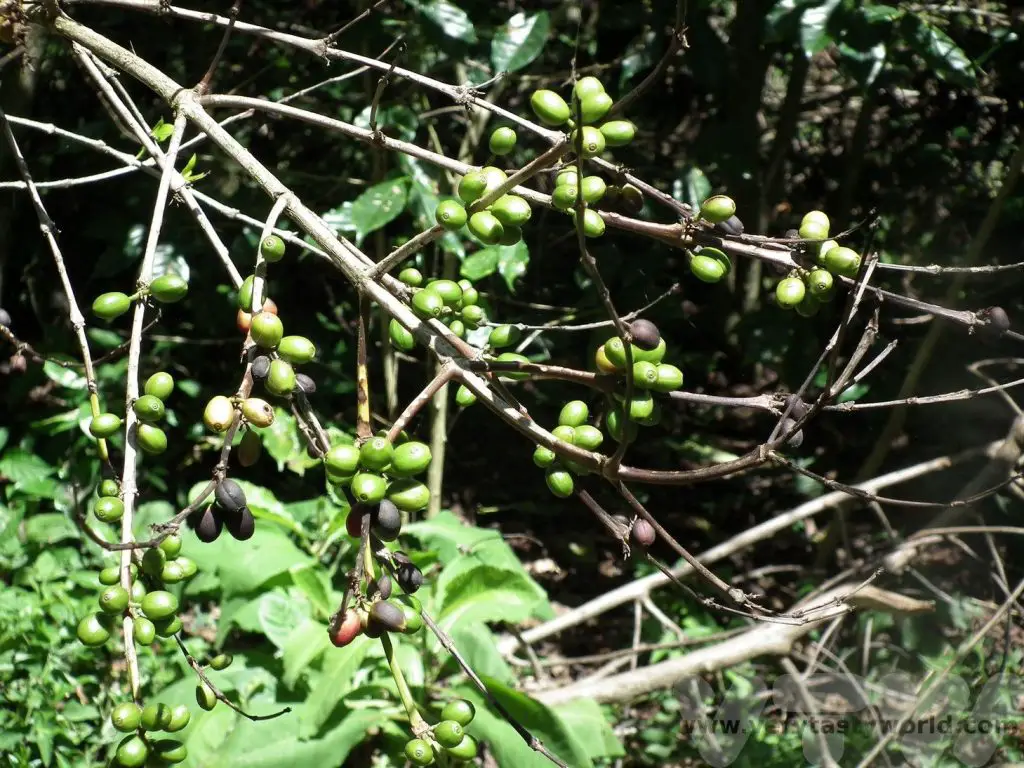
The coffee plant, Coffea Arabica, originated in Ethiopia. Legend tells of a 9th century goat-herder who noticed that his flock of goats were a lot more lively when munching on the local bushes. When travelling in Ethiopia it is possible to see coffee beans growing wild.
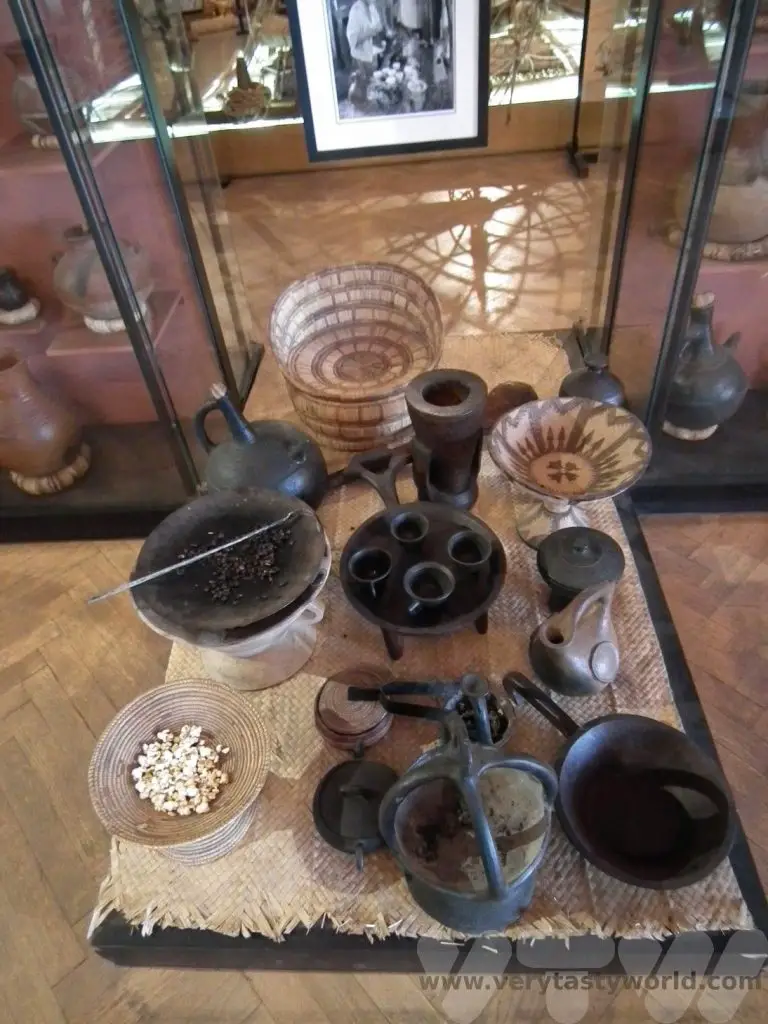
Coffee ceremony is very much a part of the culture in Ethiopia and Eritrea. The whole process can take over an hour. The beans are washed and then roasted on a skillet. Once the skins have burst, they are removed from the fire and ground using a metal stick. They are then placed in a circular clay pot with a rounded base, known as a jebena, and hot water is added. Finally the coffee is served in a cini – a small round cup. Many hotels have coffee ceremony equipment all ready to welcome guests.
This process has been used for many centuries. Coffee ceremony paraphernalia can be seen at the ethnographic museum in Addis Ababa.
Coffees and Chimpanzees in Uganda
Uganda is another producer of coffee, the plant having been introduced from Ethiopia. In fact, after Ethiopia, Uganda is Africa’s second biggest exporter of coffee. Robusta coffee grows in the Kibale forest area. This region is best known for its habituated chimpanzee population, a key attraction for visitors, but it is also possible to visit local villages, and stop by for a very fine brew, with the coffee made in the traditional way.
The coffee berries are dried in the sun and pounded to remove the husks…


…It’s a fine art to blow away the husks to reveal the beans…


…Then it’s time to light the fire and roast the beans…

…Grind and then brew with water for a damn fine cup of coffee. From bean to cup in half an hour. Cheers!

Arabic Coffee – A Symbol of Hospitality
Although the coffee plant originated in Ethiopia it was in Yemen, on the Arabian peninsula, that coffee was cultivated on a commercial basis. It is thought that coffee has been grown commercially since the 16th century. The port of Mocha was a distribution hub and coffee rapidly spread across the globe. Yemen held a monopoly on the export and distribution of coffee beans. The Ottoman Empire had control of the Yemen at this time. Coffee was initially traded in Cairo then the beans were distributed across the empire.
Omani Coffee, Flavours and Dates
In Yemen’s neighour Oman, and across Arabia, coffee is an expression of hospitality. It is so important to local culture it is UNESCO listed as it expresses generosity and hospitality.
Omani coffee is often flavoured. Brewed with cardamom or even frankincense (a resin from the frankincense tree), these spices add a subtle flavour to the brew. Coffee is traditionally made in front of the guest – from the process of lightly roasting the beans, pounding them in a pestle and mortar and then placing them into a large coffee pot. Water is added and warmed over the fire. Then the coffee is decanted into a smaller serving pot and distributed into small cups.

And, of course, the coffee is served with dates. Date palms are an important part of the Omani landscape – found near water sources, over 200 types of date are grown in the region. Squeeze the date between your fingers to remove the stone before popping it into your mouth. There is usually a vessel to put the discarded stones in.

If you are offered coffee, it is actually polite to decline the invitation initially. This gives your host the opportunity to back down if they aren’t really able to offer coffee at that time. But if they insist, do accept! Cups are small and it is polite to drink between one and three of them.
Turkish Coffee – An Intense Brew
Coffee had reached Istanbul by 1539 and within just a few years the first coffee house opened. It wasn’t long before many more established themselves all over the city and beyond.
This is another coffee culture that is UNESCO listed: The tradition itself is a symbol of hospitality, friendship, refinement and entertainment that permeates all walks of life. An invitation for coffee among friends provides an opportunity for intimate talk and the sharing of daily concerns. Turkish coffee also plays an important role on social occasions such as engagement ceremonies and holidays…
Turkish coffee is coffee to the power of coffee! It is a very different brewing process to many other brews. The roasted beans are ground to an extremely fine powder then added to the coffee pot with water. The coffee is brewed with sugar – so if you go to a coffee shop you will be asked how much sugar you would like in advance. It can be unsweetened (sade kahve), with a little bit of sugar (az şekerli kahve or orta şekerli kahve), or sweet (çok şekerli kahve).
It is boiled until it almost froths over and then served in small cups. Importantly, the grounds are not filtered out. The coffee is always served with a glass of water.

The best way to drink the coffee is to sip and enjoy the intense flavour. Swirl the cup to redistribute the grounds after each sip.

Don’t consume the sludge at the bottom of the cup. Like tea-leaf readings in the UK, coffee grounds readings can sometimes be used to tell someone’s fortune, making for fun entertainment.
Often the coffee is served with something sweet – Turkish delight, delicious baklava or even rice pudding.


Turkish coffee culture is one of hospitality and sociability – people gather together in coffee houses for drink and lively conversation.
European Coffee – Bitter Coffee with Sweet Treats
Bosnia Coffee
As the Ottoman Empire expanded and flourished throughout Europe, so coffee culture developed with it. The city of Sarajevo was the second most important city in the empire, after Istanbul, so it’s not surprising that coffee quickly made its way into and around Europe. In Bosnia and Herzegovina, an incredibly strong, rich, sweet coffee, served in a set, is the quintessential way to round off a meal.

Like many accompaniments to a hot, bitter brew, a sweet dish is often enjoyed to accompany the beverage. Many Middle Eastern sweets are comprised of pastries doused in a sweet syrup. Hurmasica is no exception, this sweet, gooey cake has a lovely texture and a lemon-flavoured sugar syrup.

Italian Caffè
The words are all so familiar: espresso, cappuccino, americano… and yet Italian coffee doesn’t (yet) have UNESCO status. A failed application earlier this decade has been resubmitted to acknowledge the importance of espresso coffee in Italian culture. It is believed that coffee was imported into Venice in 1580 by Prospero Alpini, a botanist and doctor, and it quickly gained popularity. Although Naples, Italy’s greatest coffee consumer city, has claims that coffee arrived in the city even earlier.
The word espresso derives from the Latin ‘exprimere’ which mean to express, a description of the process by which hot water is forced through ground coffee beans under pressure. The moka pot, una caffettiera, popularised in the 1930s, is a clever design that uses steam pressure from the heat of a stove to force hot water through coffee grounds. Espresso machines serve a similar function by forcing pressurised water through compacted coffee.

Espresso is the basis of Italian coffee. A small shot of intense flavour in a mini cup. If you want more, ask for a doppio, a double. Espresso is the base for the many variations of coffee that are served in Italy. If you’re travelling in the region, ask for ‘un caffè’ rather than ‘un espresso’.
The espresso can easily be turned into a longer drink with the addition of hot water, to make an Americano. Some caffeteria give you the espresso and a jug of water so that you can top up to your desired strength. You may also receive a small glass of cold sparkling water.


A macchiato is an espresso with just a touch of milk, often foamed. The word macchiato means ‘stained’ or ‘spotted’.

Cappuccino is a popular coffee. It comprises equal parts espresso, milk and creamy milk foam in a 1:1:1 ratio. It’s a decadent drink with a luxurious feel. It’s also the prettiest coffee as the crema (coffee oil and brewed coffee) mixes with the foam!
Italians love a coffee, drinking is very much a social event. A coffee shop, called a bar in Italy, is the place to enjoy a coffee, often with a sweet treat. There is always a great choice of coffee available – there are so many variations it can be quite overwhelming – and it is prepared with care. Although apparently if you order a cappuccino after 10:30am, we have it on good authority that you are secretly considered to be a barbarian! And never, ever mention large plastic cups…
Viennese Coffee Houses
Turkiye also had an influence on Viennese coffee houses. It is thought that these were established towards the end of the 17th century around the time of the Turkish siege of Vienna. The first coffeehouse was apparently established in order to produce coffee for the Hapsburg court, but many more soon followed for ordinary people.
According to UNESCO: The coffeehouse is a place “in which time and space are consumed, but only the coffee is listed on the bill.”
Vienna is justly famous for its coffee culture. There are loads of cafes all over the city which offer coffee and cake. This is an essential foodie activity to enjoy these when visiting this very lovely city. Beware of queues though. At weekends and during the busy tourist season, people will be queuing out the door. Coffee is always accompanied by a glass of water.

Sweet treats are an important accompaniment to Viennese coffee. Sacher Torte is probably the cake most associated with the city, created in 1832 by Franz Sacher for Prince Metternich. The torte is a conventional chocolate cake but has a fruity layer of apricot jam running through the middle.

Dutch Coffee with Vlaai
It is thought that the Dutch were quick to start trading with Yemen and exporting their coffee. Because of this, it is believed that perhaps Dutch sailors developed the cold-brew method of coffee making because they didn’t have access to fires aboard their ships. This is a process whereby cold or room temperature water is dripped through coffee grounds over a long time, up to 24 hours. This allows the coffee to infuse in the water and produces a beverage with a very different flavour. Cold-brew can be heated carefully in a saucepan or microwave – just don’t let it boil.
Dutch coffee culture is thriving. The Dutch have ‘coffee time’ many times throughout the day. Colin’s family come from Limburg, where the locals are very sociable. This is emphasised by their greeting technique: not one, not two, but three kisses on the cheek. Left-right-left. Or right-left-right. Either is fine. If you visit a local home you will almost certainly be offered coffee and vlaai. Dutch coffee is generally not cold-brew these days but properly made ground filter coffee. Vlaai – also known as Limburgse Vlaai – is a fruit tart.
The vlaai base isn’t made from traditional flaky pastry but from a yeast dough which gives it a light, cake-like texture. Each vlaai comes as a big round disc of deliciousness, usually around 30 cm in diameter. It is cut into large slices for guests to enjoy. The traditional vlaai is a fruit-based tart, often with a latticed pastry top. Cherries, apricots, apple – all sorts of soft fruit can be used as a filling. It may be served with a dollop of rich cream.
And then there are more unusual variations. Berry mouse and meringue is also a great combination. The gooseberry vlaai topped with fluffy meringue is both tart and sweet. The rice pudding vlaai, with cream and chocolate shavings for added decadence, will keep you satisfied for a week.


Tradition dictates that visitors are offered coffee and vlaai and it is polite to accept. Apparently it is also considered to be a little bit rude not to accept a second slice of vlaai. It’s possible that Limburgians have a secret second stomach as it is genuinely impossible to eat two slices of vlaai in quick succession, scrumptious though it is.
Scandinavian Coffee
Scandinavians are well known for their love of coffee. In Sweden, Fika is a word that can be used as both a noun and a verb. It is derived from the old Swedish word ‘kaffi’, spelled backwards. It is all about taking a break to enjoy a hot drink and something yummy to eat. Fikabröd’ (fika bread) is the term used for the accompanying baked goods. It’s more than just a coffee break, fika is about taking a moment to relax with friends and family. And you can fika any time of day or night.
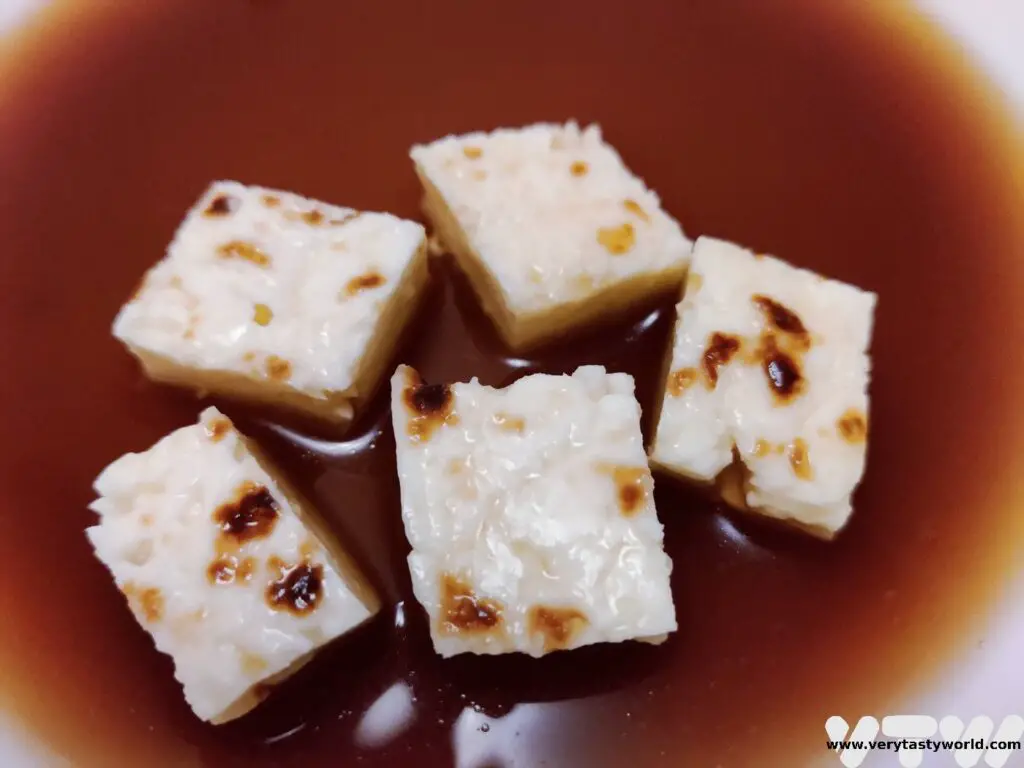
In Finland, one of the more unusual ways to serve coffee is with bread cheese. Bread cheese, or leipäjuusto, is sometimes known as cheese bread or juustoleipä. It’s a firm squeaky cheese that has the texture of Halloumi but is sweet and not salty. Kaffeost comprises cubes of this cheese submerged in dark black coffee. The cheese soaks up the coffee and you can eat the cubes with a spoon. It sounds like an odd combination but it does work.
South East Asian Coffee – Alternative Brews
Coffee in South East Asia offers a very different experience. This part of the world is hot and humid and might not be considered the ideal location for drinking hot beverages. But there are some very interesting caffeinated variations here.
Coffee, But Not As We Know It – Kopi
Kopitams – coffee houses – are very popular in Singapore and Malaysia. Nanyang coffee is known as kopi. The coffee is placed inside a coffee sock – the grounds are inside the cloth sock which acts as a filter – and then brewed inside a kopi kettle. The kettle has a wide opening to accommodate the sock and a long spout for precise pouring. Cups are kept inside a heated bucket to keep them warm.

The Nanyang breakfast is a very special thing and popular in both Singapore and Malaysia. It comprises a really good, strong cup of coffee accompanied with kaya (coconut jam) toast and two very soft-boiled eggs.

Malaysia Opium Coffee
The Malyasian city of Kuching in Sarawak, Borneo, is a UNESCO foodie city and has many delicious charms. It also has an unusual form of coffee at Madam Tan’s Hiap Yak on Lorong Kai Joo. It is called ‘opium coffee’ because you are likely to want more and more…
The coffee itself is rich, dark kopi brewed in the traditional style. But it is served with a large knob of butter! The creamy butter melts slowly into the coffee adding a richness to the brew. Odd, perhaps, but surprisingly delicious. And definitely decadent.

Lao Iced Coffee
When we visited a local barista in Lao’s capital Vientiane we didn’t have very high expectations of the drink we were about to be offered. But we ended up being pleasantly surprised, if totally hyperactive for the rest of the afternoon. Lao Coffee In Five Easy Steps:
Step 1: Make sure you don’t plan to sleep for any time within the next 8 hours.


Step 2: Our barista had a basic coffee filter set up. She brewed a very strong brew…
Step 3: Brewed, of course, into a can of condensed milk which is milk plus, plus, plus: thick, smooth, creamy and outrageously sweet. Yes, that is an entire can of sweet, syrupy, gloopy, delicious condensed milk.


Step 4: Don’t forget that it’s a lovely day. The weather is HOT. Why would you want a hot coffee on a sultry and humid day? Of course you actually want your coffee to be cold! Fill a mug with ice.
Step 5: Pour the delicious coffee/condensed milk mixture on top. If you want a sugar rush on top of the caffeine, add a tablespoon or so of sugar. Stir, then serve.


Bonus: Just in case you aren’t consuming enough calories, why not enjoy some scrummy home-made doughnuts which are a delightful accompaniment to the Lao coffee?
Beats anything by any of the big coffee chains any day of the week. Delish! What was really nice about this experience that after making Ultimate Coffee for us, our barista settled down to eat her lunch inside her house (just beyond the shop front) with her mum. They offered us some to try – it was frog stew: whole frogs in a spicy sauce with lots of fresh herbs. It was very good indeed. Really.
Central and South America – Plantations and Brews
The coffee plant made its way across the Atlantic with the European colonisers in the 18th century. The climate and soil conditions in South and Central America were ideal for the production of coffee and this continent is now the largest bean producer. Both key types of coffee plant can grow here: the Arabica bean grows well in higher altitudes and the Robusta is happier below 750m above sea level.
Costa Rica
In Costa Rica, there’s a saying that ‘life is too short to drink bad coffee’. Costa Rica is one of the world’s coffee producers but, like many of the crops grown in this incredibly fertile country, the aim is to produce quality rather than quantity. The country lies fairly close to the equator so the coffee trees flower all year round.

Costa Rica is fairly close to the equator so the coffee trees flower all year round.
It is possible to visit coffee plantations and see how the beans are processed. Beans are harvested, the outer husk removed


Next the beans are roasted. The roast is what gives coffee its distinctive flavour. Less than 4 mins (not worth the effort) and greater than 26 mins (actually burnt) isn’t any good it but everything in between will offer a slightly different flavour.
What was interesting about the coffee in Costa Rica was the brewing process. Everyone knows that tea leaves should be steeped in water but most coffee processes involve a filtration process where water is forced or filtered across ground coffee beans. But in Costa Rica coffee is often steeped. An eco-friendly solution is to use a rather elegant contraption. The wooden stand called a chorreador and it holds a brewing sock known as a bolsita, which means ‘little bag’. Put the ground coffee into the pot and pour the boiling water on top.


You could probably use a sock inside a teapot but make sure the sock is clean otherwise who knows what sort of caffeinated nightmare beverage you could produce.
We discovered Costa Rica’s love for coffee in every hotel we stayed in. Most hotels around the world offer you a kettle and a selection of sachets of (not at all pleasant) instant coffee. Every hotel had its own filter coffee machine with a coffee bag. Just chuck the bag in the jug, fill the machine with water, let it dribble through and wait a while for it to infuse. It’s rather lovely to be able to have proper coffee whenever you wish.
Final Thoughts
Enjoying coffee is one of life’s great pleasures, especially when on the road. Coffee is so much more than a beverage, it is an inherent part of the culture for so many countries around the world, reflected in the sheer number of UNESCO listings that demonstrate how the heritage of drinking coffee brings people together. What is your favourite brew? Have you ever tried an unusual coffee on your travels? Let us know!
Related Posts You May Enjoy



- What Food is Florence Best Known For?

- Scrumptious Selections: Smorrebrod Sandwiches
- The Rimini San Marino Bus – How To Get To San Marino

- A Towering Delight – Things To Do In San Marino

- A Scrumptious Food Tour in Parma

- A Fabulous Four Days in Florence

- Adventures Off the Beaten Track: Things to Do in Mauritania

- The Food of Mauritania – Cuisine of the Desert

- How To Visit Victoria Falls

- A Thrilling Botswana Walking Safari in the Okavango Delta

- Andasibe Mantadia National Park Madagascar

- Skeleton Coast Self Drive in Namibia


- Great Grinds & Best Brews – Coffee Around The World

- Things to Know Before Visiting South Korea

- Things to Do in Kuching – The Charming Cat City

- The Very Best Kuching Food

- A Splendid Three Days in Singapore Itinerary

- RECIPE: How To Make Dakgalbi


Thanks so much for reading. We hope you enjoyed this article. If you’d like to keep up to date with new posts and recipes, please subscribe to our newsletter or follow us on social media – Bluesky, Facebook or Instagram. We always love hearing from you and would be delighted to read your thoughts about this article.


This post is right up my street! I spent six months living in Italy after graduation and thought I’d make it my mission to find the perfect cappuccino. It only took me about two days to find it but I kept going just in case…
Here in Spain there’s a café bombón which is equal parts espresso and sweetened condensed milk. It looks good as it’s served in a glass so you can see the layers but it was too sweet even for me, and I’ve got a sweet tooth. Maybe if it had been over ice like your Lao iced coffee I might have preferred it.
I have enjoyed coffee around the world and have been amazed at all the different ways to prepare and present this essential beverage, but I have not delved into the culture beyond visiting plantations in Indonesia and Costa Rica. Some of the brews I thoroughly enjoyed and have incorporated into my daily life. Others were fine while I was in the particular region, but not my favourite (the sludgy ones). I learned a lot from your post and look forward to even more flavour adventures.
A very interesting read! Loved how you covered the origins before visiting different parts of the world. Have totally experienced the social side that drinking a cup brings, just like a beer does for the brits. Keep up the great work
What a fun project to have and write about. Thank heavens for the goats in Ethiopia who have the guts to sample and be the first lab rats for coffee! Or perhaps the goats are coffee connoisseurs by nature. Coffee isn’t just drinkable fuel — it’s cultural rocket fuel! I’ll gladly take one of each brew on my world tour when I get the chance #𝐟𝐥𝐲𝐢𝐧𝐠𝐛𝐚𝐠𝐮𝐞𝐭𝐭𝐞 🥖🪽
I had no idea there was so much to know about coffee, or about the different methods of drinking it that many countries have come up with. I’m not a big coffee fan, I’ve had it a few times, but it’s not really for me. That said I did enjoy Vietnamese coffee, which looks similar to what you had in Laos. I’d be all about any of the sweet treats you show here served with coffee, however I think I might have to pass at coffee cheese.
You know how much I love coffee so I adore your post! Isn’t it incredible how one little bean can create such a big impact to the point it influences cultures and becomes its own cultural phenomenon? I love the various traditions and etiquette when it comes to coffee 9Filand also deserves a mention here as coffee is such a big part of their life). I will pay more attention to the vlaai next time I am in The NL and going to Bosnia to acqire an authentic copper coffee set is very high on my travel experience list.
Carolin | Solo Travel Story
Bosnian coffee is my favourite, I drank so much in Sarajevo! Turkish coffee is also good, and as my partner loves coffee it’s our favourite start to the day on every trip. We found coffee in Tirana, Albania was amazing too.